My Palace in Taiwan - Eric Chiu and Miffy Tsai
“Solitude requires you to move past reacting to information created by other people and focus instead on your own thoughts and experiences – wherever you happened to be”
Happy May, everybody! As you all may have noticed, I’ve been significantly slowing down on writing new interviews this year to make time for something more important to this project. That said, the gear never stops turning, and I still have a few amazing ones in the works for all of y’all! That is, if I don’t get distracted by the glorious patio weather and the half-off bottle during By The Season’s happy hour.
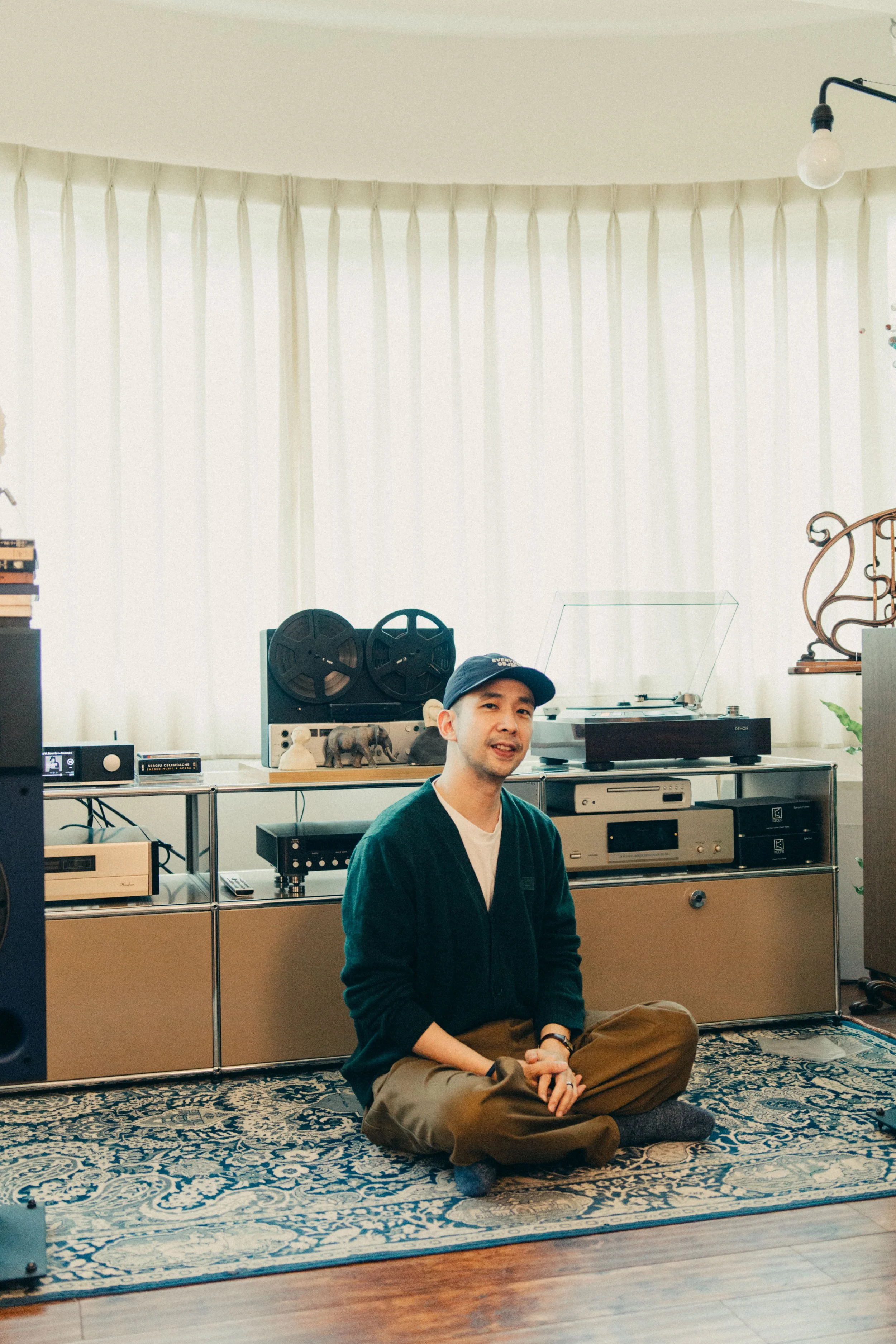
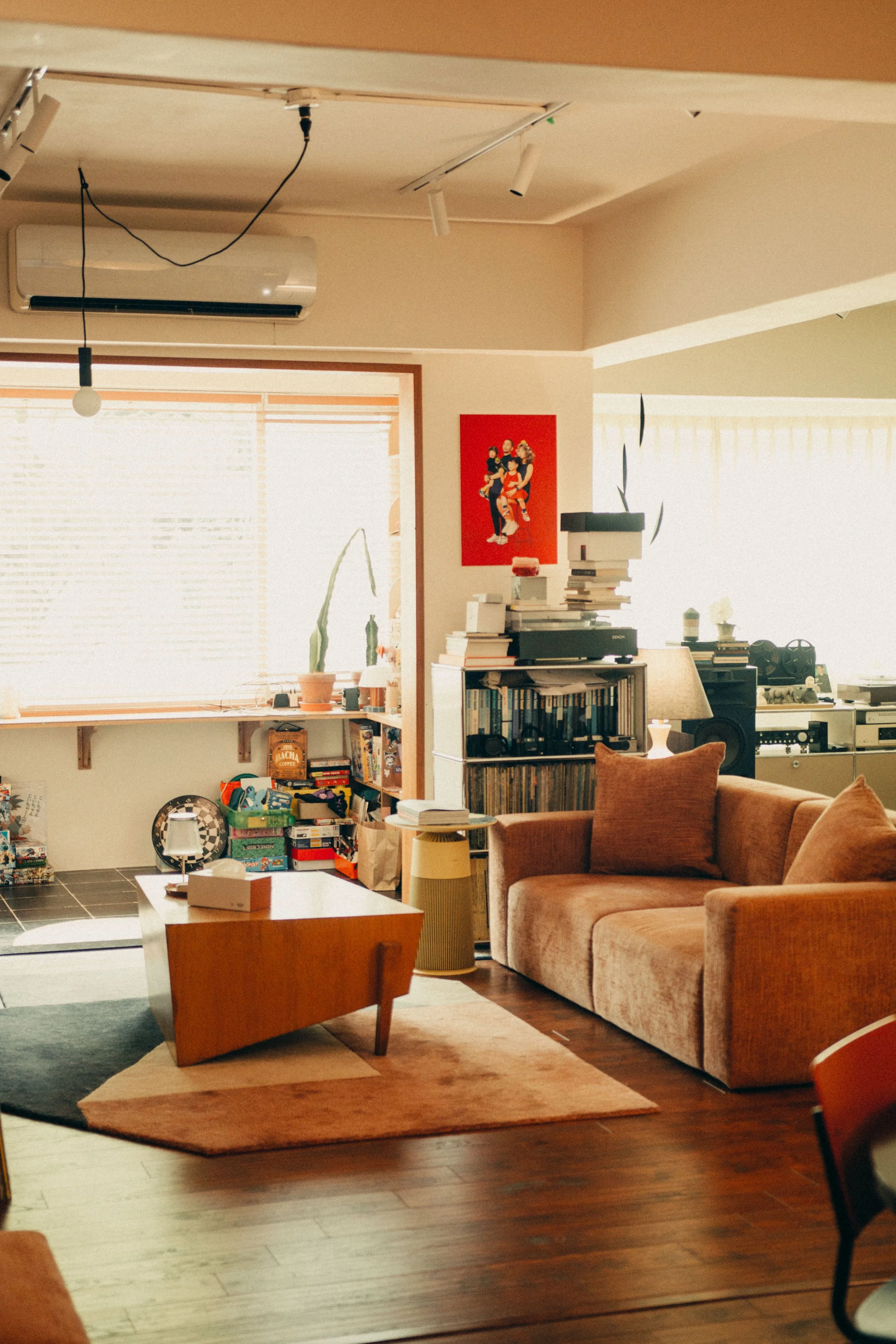
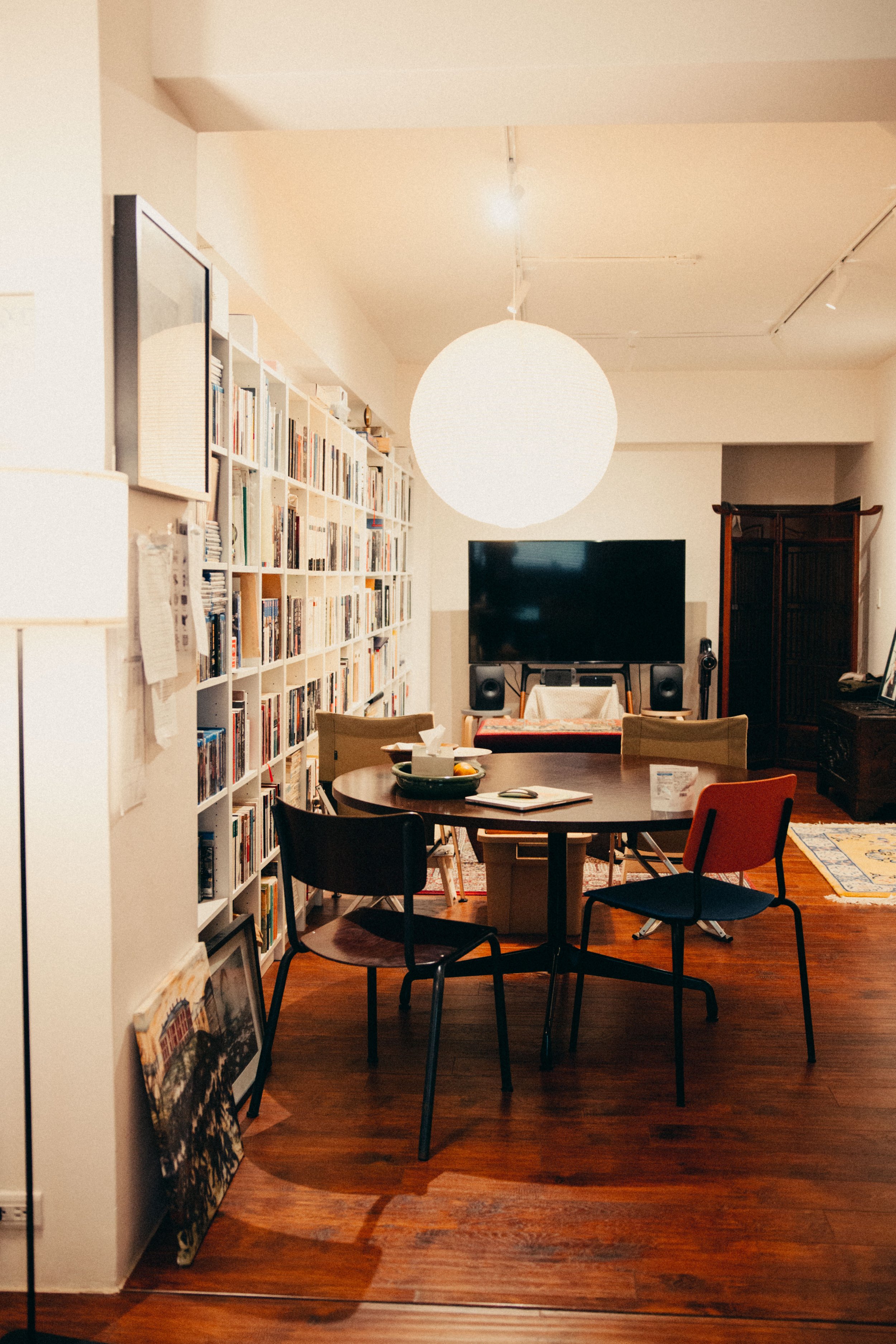
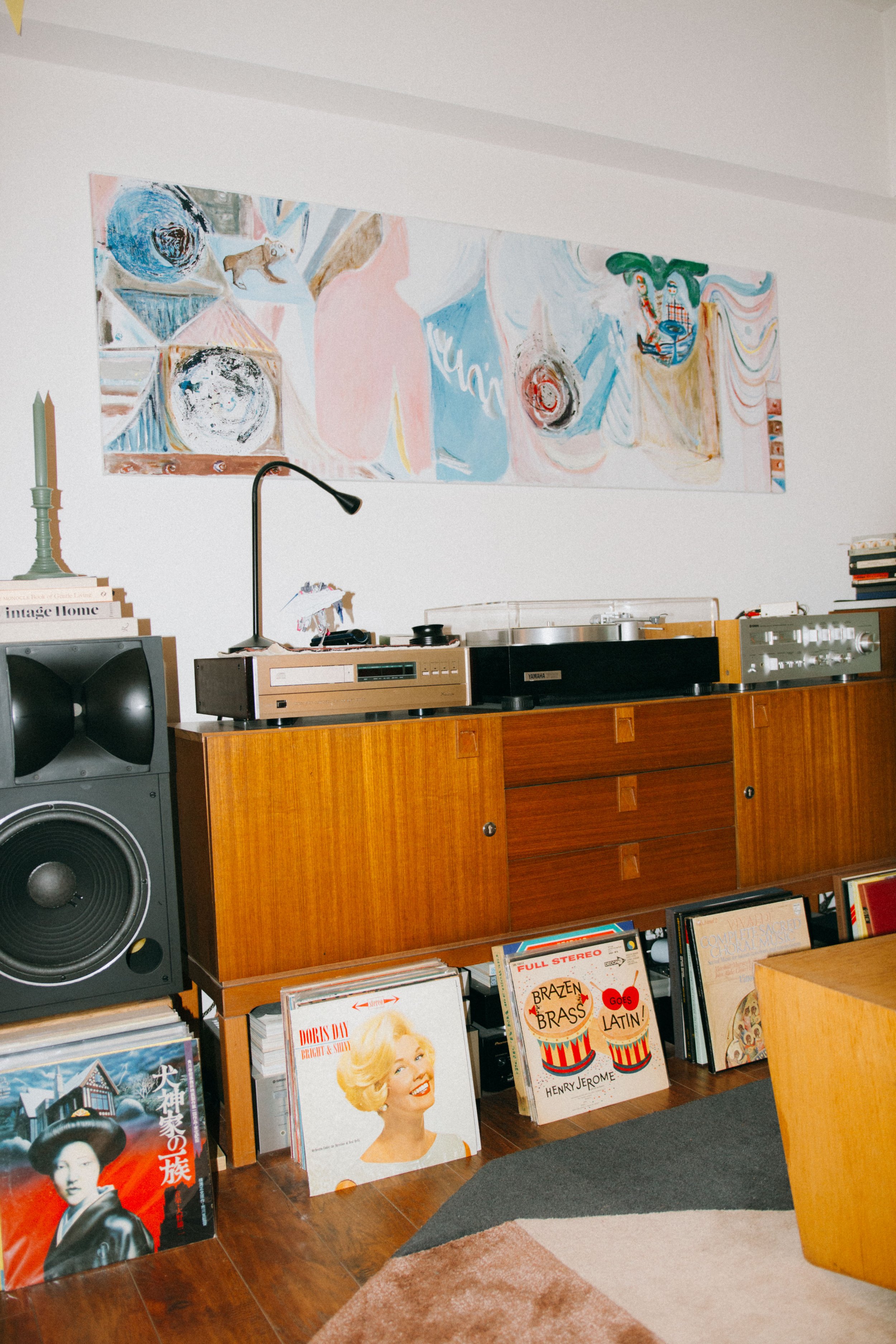
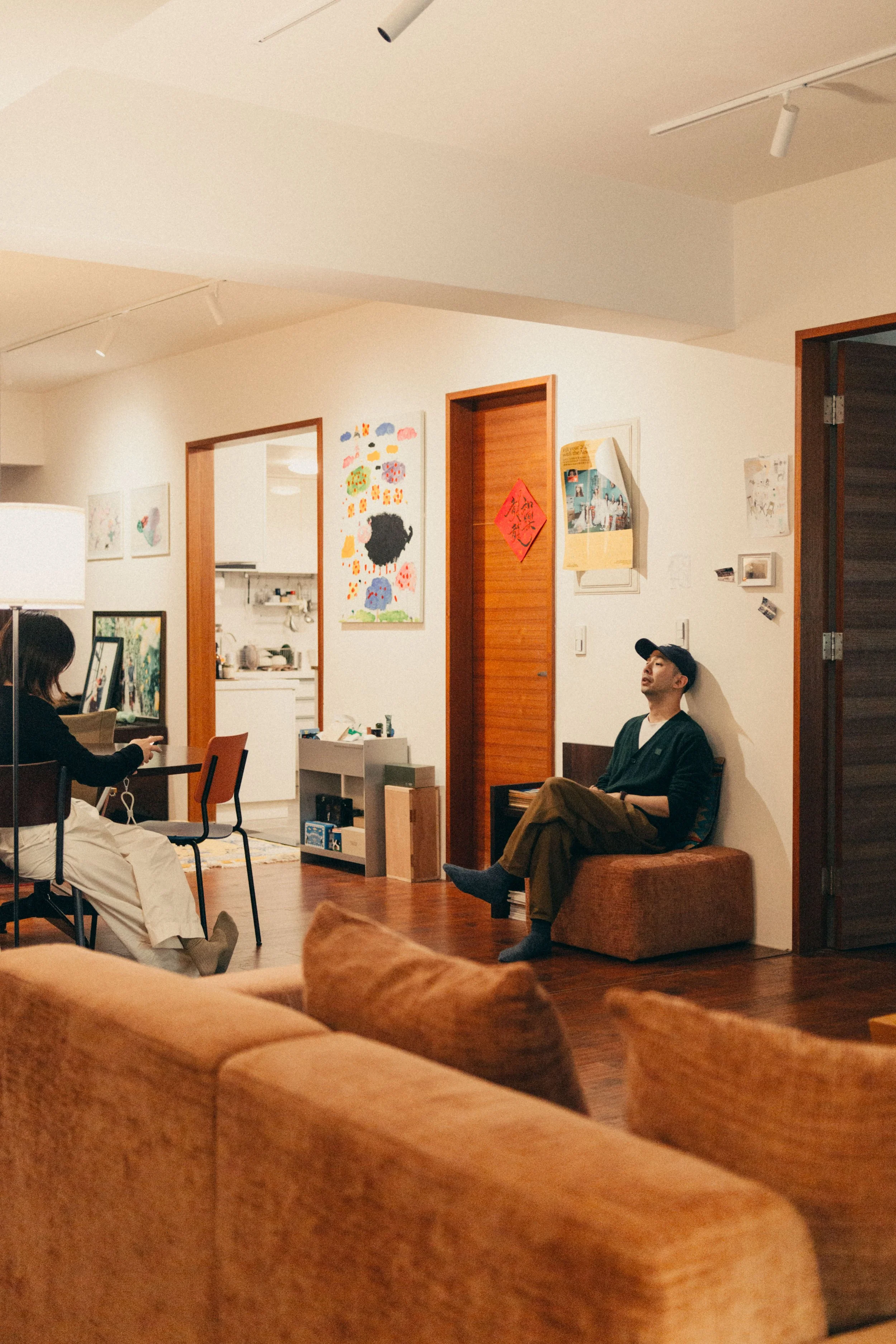
One thing about me is that I am a proud Taiwanese, and one thing about interiors in Taiwan is that our options for interestingly built houses are a little more limited than in the States. Since we didn’t go through architectural movements like how Chicago did, or the nationwide Art Deco era, our hyper-fixation on efficiency and measures to counter humidity within interiors made most homes extremely simple and uninformed, this phenomenon leads to one thing: people with a vision will often need to start fresh and alter everything down to the structure of a home before they can even fill it up with things they love. I find this particularly interesting because, unlike the West, to make a home uniquely yours, you don’t stumble upon your dream home but build it out, quite literally, even if it’s a condo, and I want to document cool places like these because that’s so cool, we are so cool because of that.
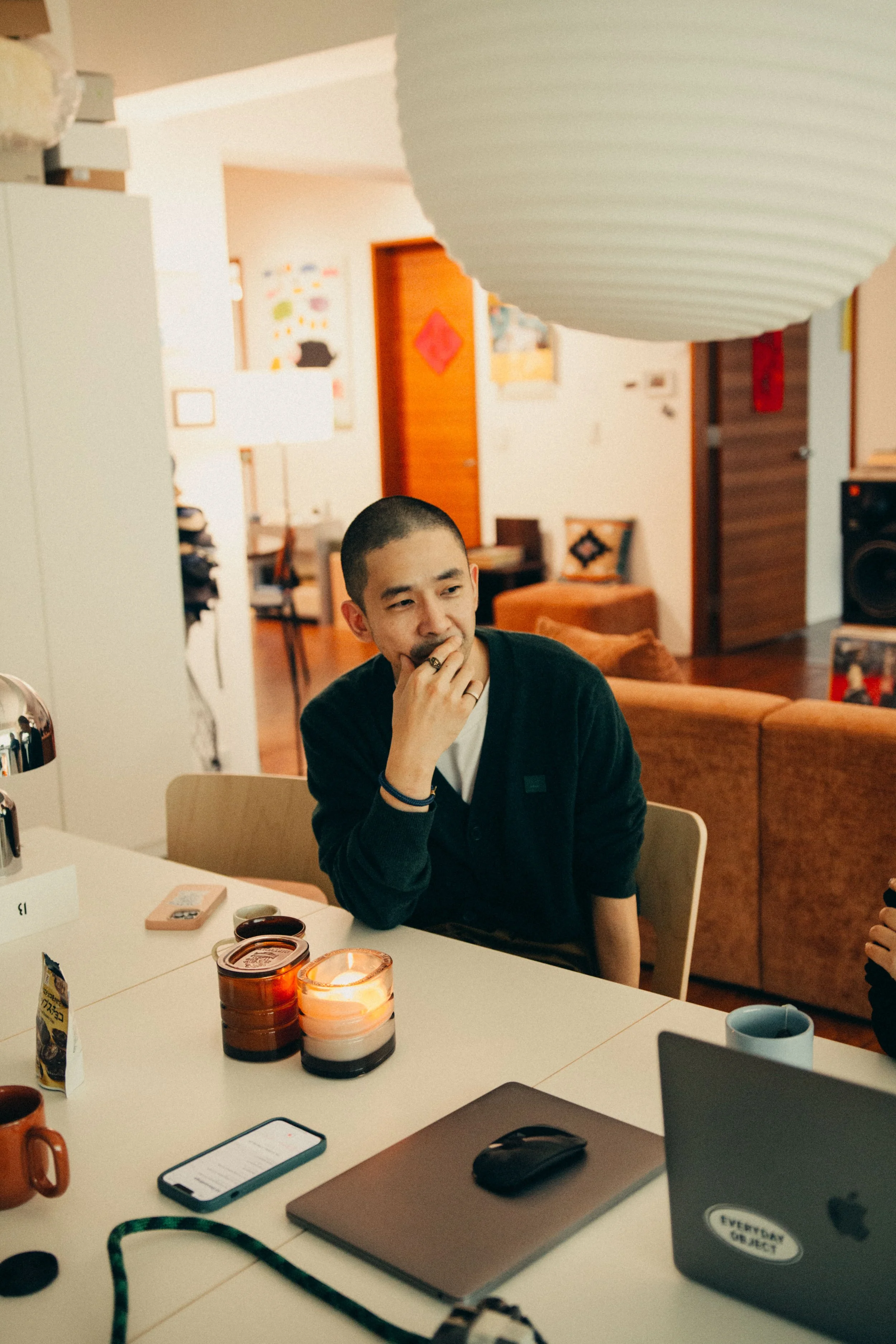
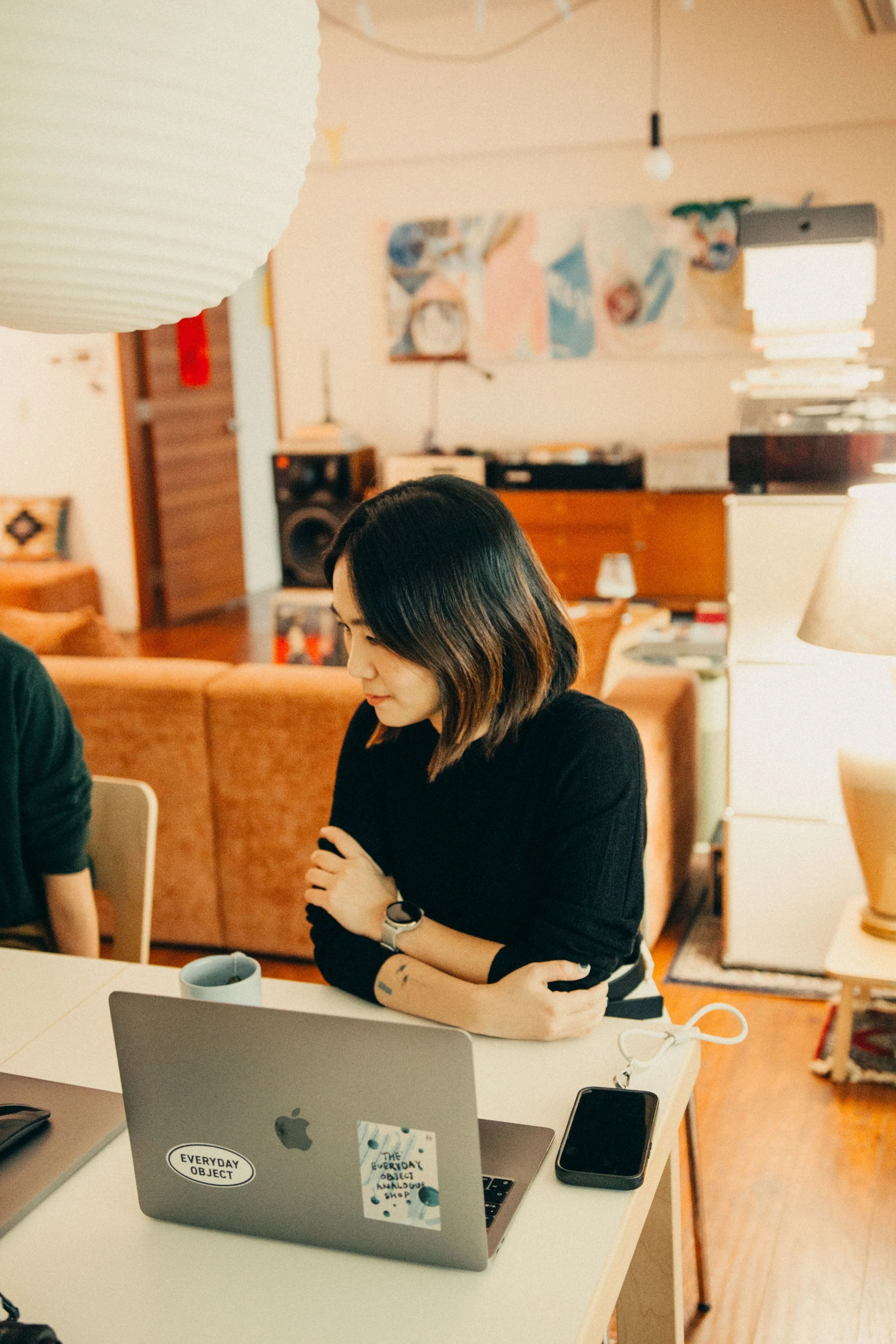
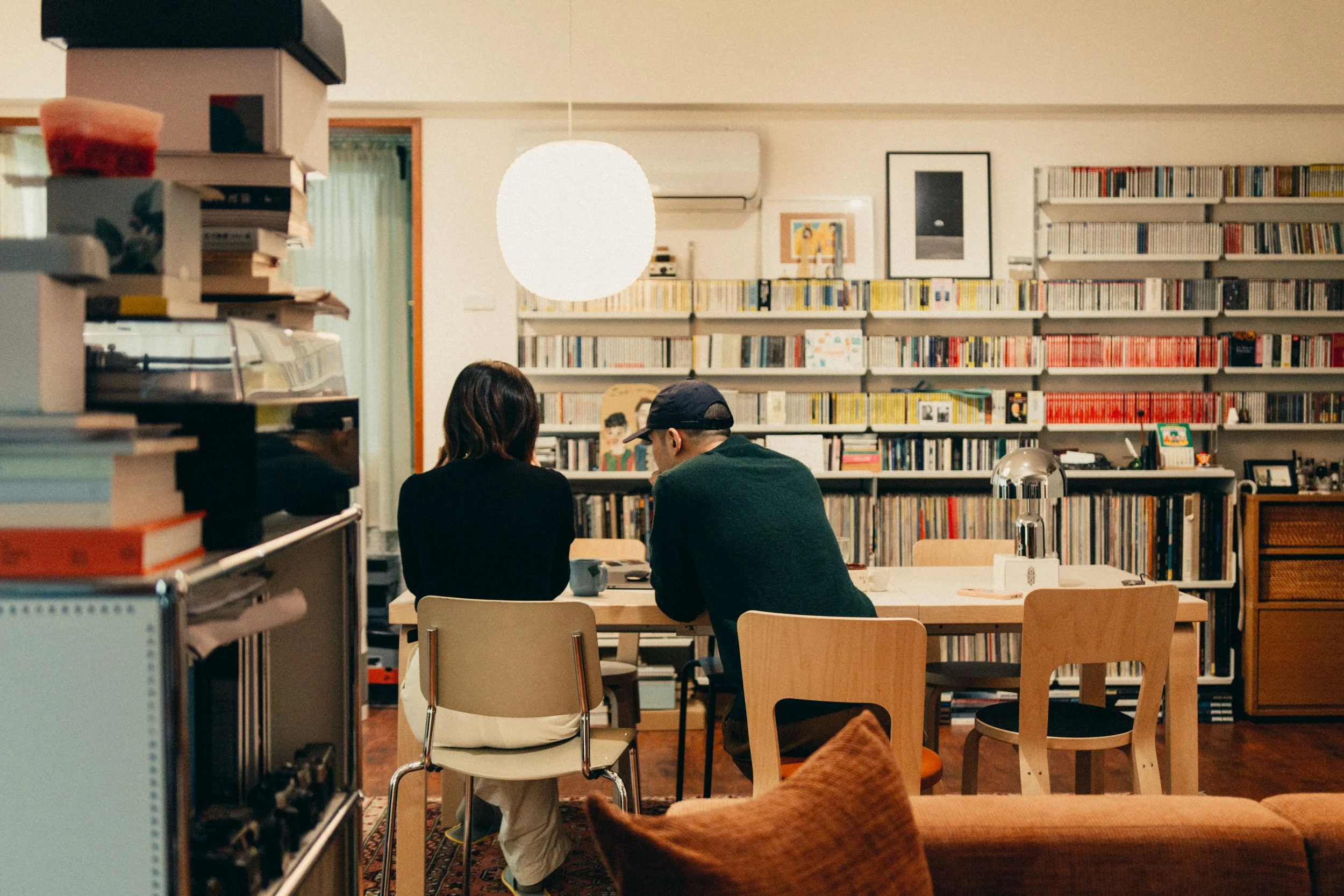
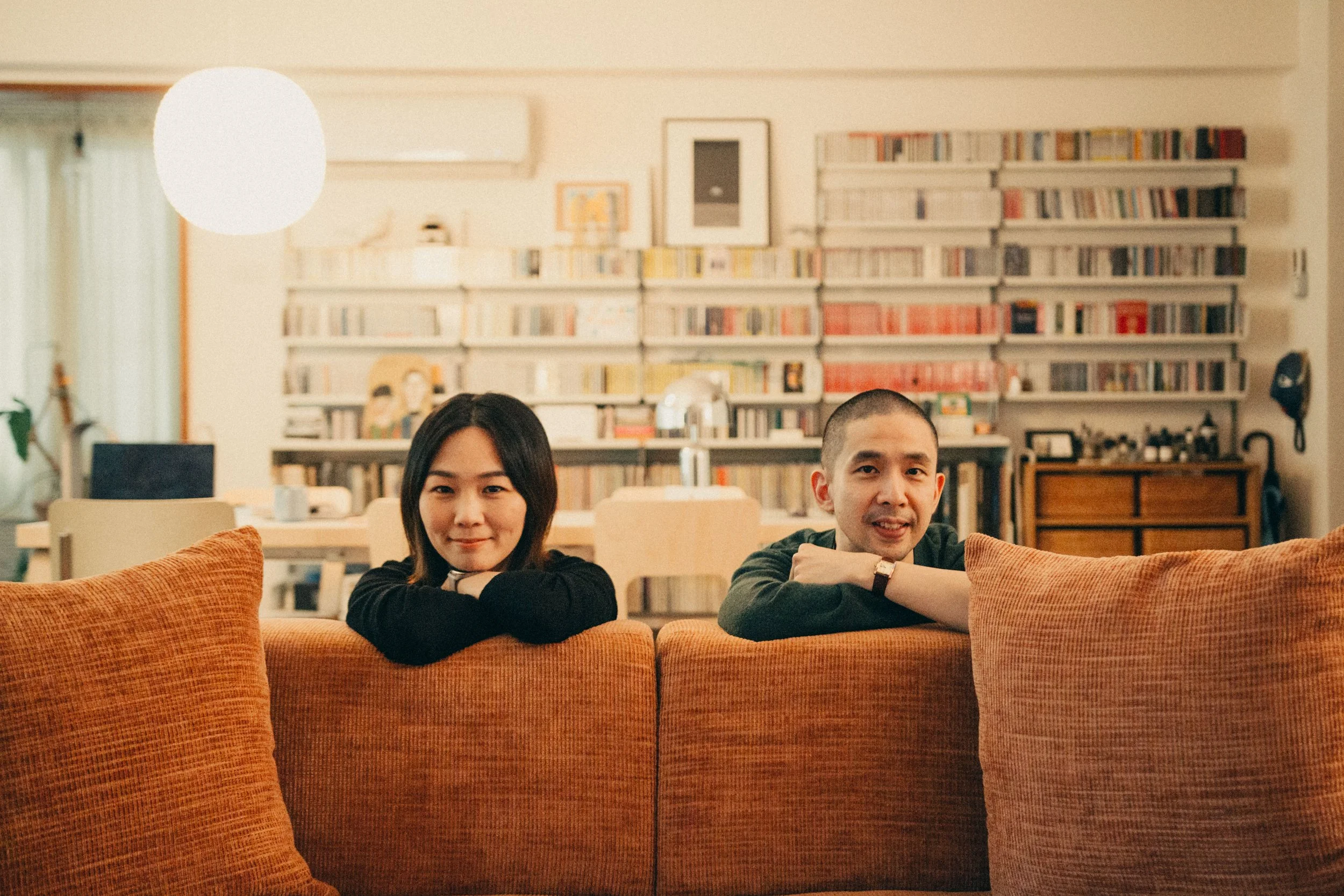
With the utmost excitement, I would like to introduce you to Eric Chiu and Miffy Tsai. EVERYDAY OBJECT has been a website I’ve been obsessing over. Many, I meant decades later, something compelled me to send an email to their editor-in-chief and deputy editor for an interview. Funny enough, they ended up interviewing me and my space first. Within the same year, I got to sit down with them on a cloudy afternoon. They say never meet your heroes, but sometimes, you end up being pretty good friends with them. I’m laughing as I’m going through the recordings, and I hope y’all will enjoy reading this as much as I did writing it.
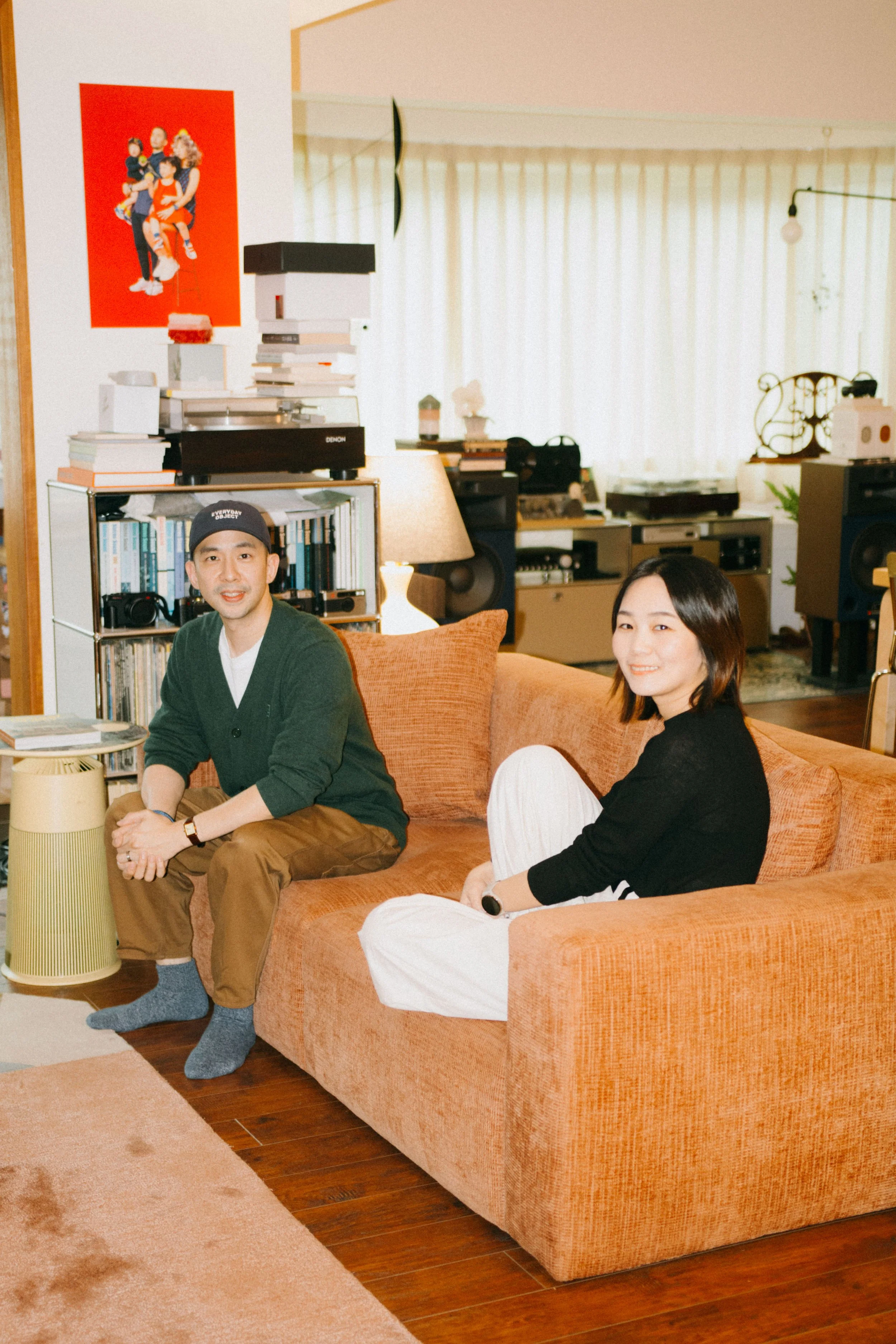
Hi Eric and Miffy, it’s been a long time coming, and I’m so glad I finally have the opportunity to witness your gorgeous space! Now, before I bomb you with my questions, could you tell me who you are and what it is that you do?
Eric (E): I’m Eric Chiu, the editor in chief for an online, now with annual publication, magazine I started twelve years ago, called EVERYDAY OBJECT (EO for short). We are a lifestyle magazine covering everything from the music you listen to, the car you use to commute, the clothes you decide to wear that day, and what furniture you use either in the office or at home.
Miffy (M): I am Miffy, the deputy editor for EVERYDAY OBJECT. The secret character behind EO, handling most of the practical side of things with Eric.
EVERYDAY OBJECT has been a staple in my creative life since college, and now, as you start expanding into publishing, podcasts, select shop, and events across different scales, I wanted to ask you: What was that journey like for you? How did you get to where you are now?
E: I don’t really look at what we do in scales. What we want to convey through EVERYDAY OBJECT - how style and taste should exist in every corner - can’t be restricted by scale if we want people to truly understand it’s all around us. If your message couldn’t come across, it wouldn’t matter much if it’s a 10-day event or a small booth at a market.
For the past 13 years, even now, I don’t look at what we do in a linear sense. This so-called journey is just us trying to do what we do best and do it well. Luckily, people continue to like us and the resources we obtained allowed us to be flexible in this fast-paced world and adapt to how, even our own, tastes change. There’s no monument specifically, we just want to find ways for people to experience our ideology in a tangible format, and here we are now after multiple mediums and formats!
M: I think what has really been pushing us forward to where we are now is how we don’t do the same thing twice, and we have a readership with uniquely established taste and pretty high standards. If you look at what we do, it follows these two mentalities: scaling up or switching formats at times wasn’t necessary planned; it’s just doing so makes the most sense for the message we’re trying to get across.
We love how our readers evolve with us, so as we continue to challenge our readers to embrace what we find interesting, we’re also going through metamorphosis every time we interact with them. EVERYDAY OBJECT is still a growing entity, and finding ways to make our core value more understandable or accessible will be a goal we always aim to have, no matter how many years we have worked in it.
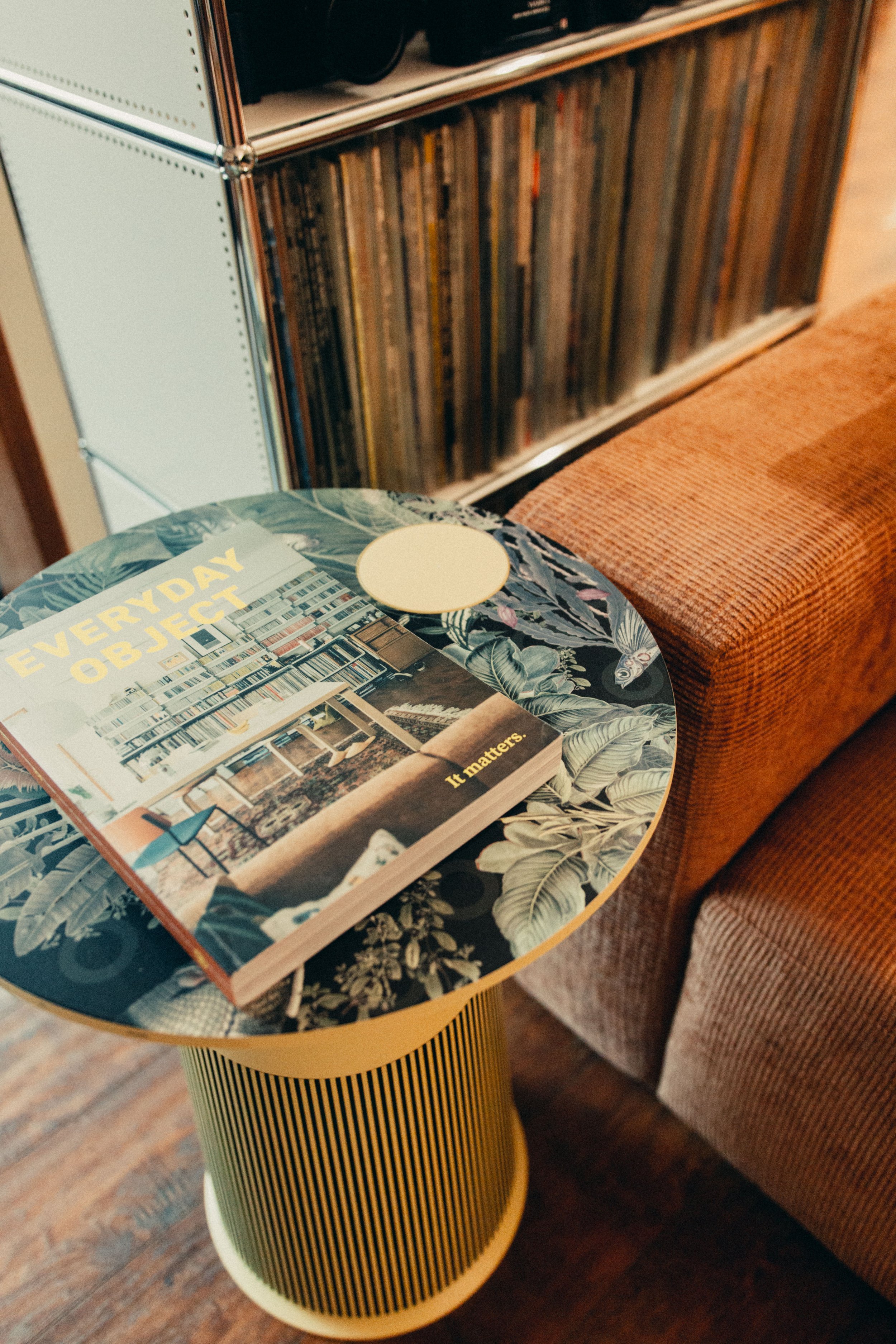
EO (EVERYDAY OBJECT) was one of the pioneers, I would say, making ways for online digital media focusing on lifestyle and all it encompasses. As the industry became saturated or witnessed the spike in numbers for similar websites, did y’all undergo a strategy refresh or forced to change how you do things as your environment rapidly grows?
E: As a media worker, it’s almost delusional trying to say you don’t succumb, or notice how user behavior and general trend ebb and flow, adapting to it is an essential part of the job. We definitely made necessary edits to match where people’s interests lie. The change happened mostly in how we title our articles and made tweaks so our tone attracts more users to read them. In simpler terms, we found different ways to say the same thing. It would be a shame if, to survive the world of algorithms, we started talking about trendy topics that had nothing to do with EO’s brand identity.
As editor in chief and deputy editor, you both have very distinct interests and a clear vision for what you’d like to do. Has there ever been an article or EO-related event that logically, it never should’ve been you guys doing it, regardless of how much you love it?
M: I think the only extra cost for interviews or outreach we’ve done was probably just the physical labor. Sometimes, we stay behind for a few more days after our employee trip, or find that balance between vacationing and trying to cram as much as we can since we’re in that city already.
I lean more towards letting our own editor headlining certain projects, even if it falls perfectly within my interest zone. Delegating is an important thing to do, and I would love for our editors to have their own special project when it comes along. Besides, you don’t need to be the project owner in order to be on set when you’re the deputy editor. *laughs
I love that mentality, especially when information is so accessible now, it’s mind-blowing how I can read about something cool happening thousands of miles away! However, your job does require you to take things like this seriously, and with how fast the cycle rotates, do you ever worry it’ll become harder for you to keep up?
E: My biggest fear isn’t falling behind, but rather that I could grow numb. That’s the real challenge, as you said, given how fast things are being released simultaneously across brands. I do worry that one day I will stop feeling hungry to learn what these talented and passionate people all over the world are doing. Luckily, that hasn’t happened just yet, and it kind of comes in waves, so my appetite is always there.
M: We’re always interested in new things, and all these years, we made sure to have dedicated time to sit down and properly go through the news and our usual media channels. Like what Eric said, we do worry we would get numb, but the real struggle I felt with how fast the algorithm moves is the way these platforms decide how to format to get the most eyeballs. That aspect is what I felt like we will forever be playing catch-up, or involuntarily become our shackles when it comes to strategizing and posting our hard work online.
As an extremely well-known dynamic duo, and industry pillar in my opinion, you two have been, if not more so in recent years, frequently under the spotlight. While being two distinct individuals, how does it feel having your image being so heavily intertwined with EO, almost to the point where people consider you two the face of it?
E: Even after 10+ years of launching EO, we are still a relatively young brand. In order to make things easier for us, cost-wise or implementation-wise, it makes sense that we step into the spotlight and give people a face to connect the brand with. Human nature, I suppose, having an image or someone to reference makes a brand more human, hence accessible and less cold and distant.
Is it a good thing? I’m not entirely sure. There are plenty of potential downside that comes with it too, but for a brand that has a limited budget, started from scratch, we think it’s a model or inevitable play that works really well for us so far.
I think I’m pretty well adjusted now, especially with EO expanding into the realm of podcasting. I’ve gotten more comfortable with hearing my own voice being used as a narrator or content. *laughs
M: A perspective I’ve been sitting on is how I became more careful with what I say or do in public. Not necessarily because I think I have an image that demands upholding, but acknowledging how many people will be in direct affect if something were to go wrong. My children, Eric, our employees, and all those who have worked with us and given me their trust.
I don’t mind it at all, as Eric said, it just makes the most sense for us to jump in at times and explore how the connection between us and the brand could benefit EO. My biggest mental obstacle, though, would be that I’m constantly in a state of “I could’ve done a better job”. My biggest adjustment is not letting my own high standard consume me for too long. It’s not healthy to dwell in that kind of emotion, but overall, I don’t mind doing it.
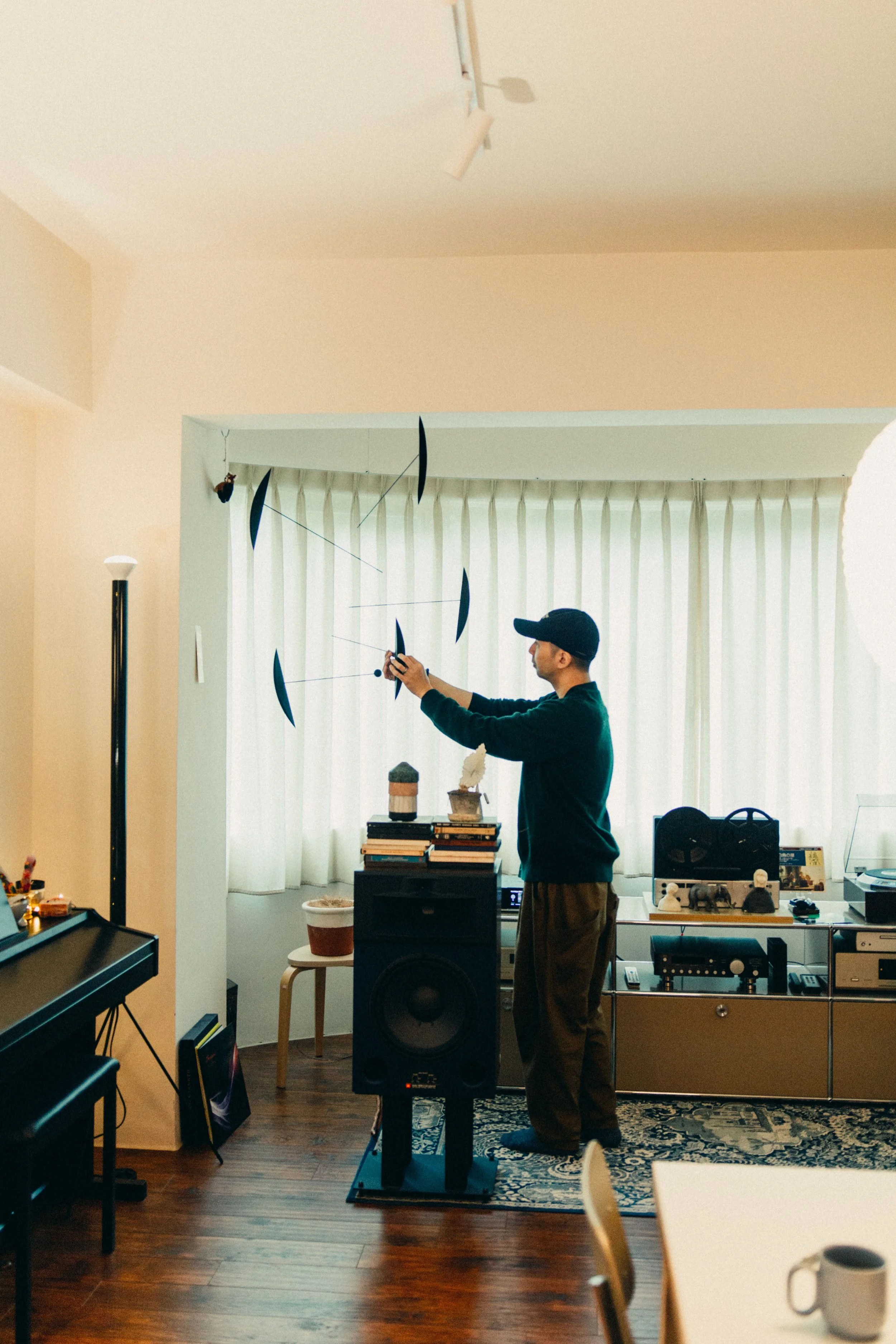
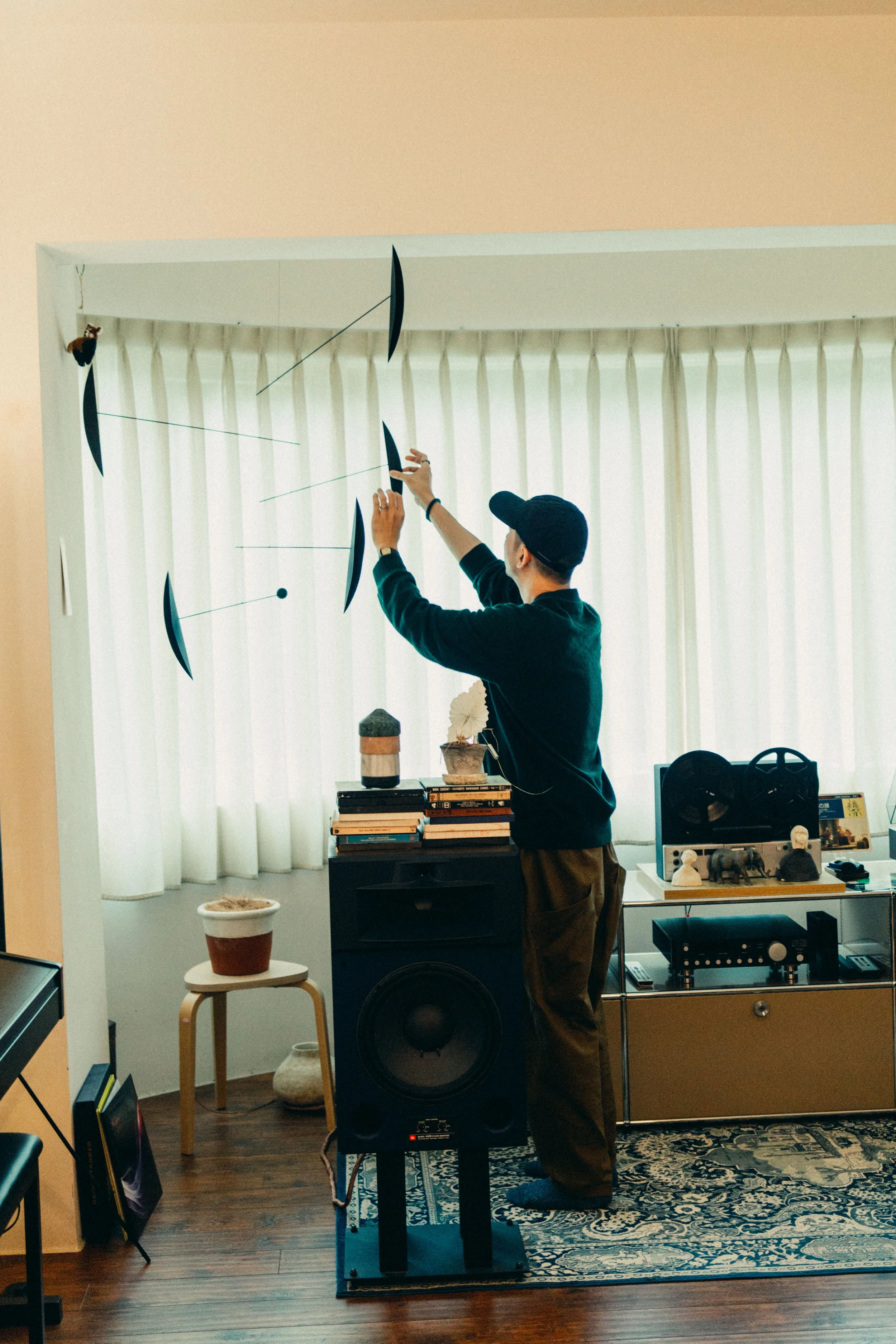
Speaking of kids, as a parent and founder of EO, how does it feel having them be a part of this universe? Do you think they fully understood what EO is or what everyday lifestyle stands for?
E: Now that they’re older, we do feel comfortable enough to include them in a few things we’ve done. Like the ice skating performance during our Art Market event, or have them tag along when we interview brands during our travels. I don’t think they fully grasp how special some of those experiences are, but it’s funny when Miffy and I tried to let them know this would’ve never happened if it weren’t for us being EO, and then watch them stare at you blankly. *laughs
M: The funny thing is, EO is such a multi-hyphenate entity at this point, having commercial production, coffee shop, retail, and publishing all under our belt. I don’t really think our kids truly know what editor-in-chief and deputy editor stand for; they just think we change jobs really often. I think it’s endearing, though. I love watching them interpret the world and what’s going on around them on their own.
E: Unless it’s about style. *laughs
M: Oh, definitely that, we’ve gotten into fights so often because they couldn’t understand the clothes we’re trying to include in their wardrobe. They have their own pretty robust fashion sense, and we’ve learned to let go of that department *laugh
E: Style aside, Miffy and I are really intentional when it comes to introducing them to a variety of things. With how easy algorithms pick up on your interest, we worked really hard to make sure they can be exposed to everything, instead of getting fed more and more of the same genre because the internet deemed it more important.
It could be sitting down and watching a movie together, or taking over the aux and playing something unexpected while driving them to school. Exposure is important, and we want them to decide whether they like it or not after giving everything a chance, and create an environment that’s easy for them to do so.
I’m sure you have your fair share of traveling across Taiwan and internationally. From a magazine or industry perspective, what do you think it is that makes Taiwan stand out as a city of design?
E: In terms of media, Taiwan is a fairly small market. The amazing thing is, we did give birth to a lot of amazing, if not better, brands that could have stood their ground internationally. How they scale might be restricted by our market, but the content and story behind it are nowhere near small.
With our climate, physical landscape, and resources, people in Taiwan can work around these extra conditions and still create something so fun, so integrated, and unexpected, which is something that constantly amazes me and takes immense pride in.
We might not have as much visibility as other huge design hubs, but we’re pretty mature and definitely have what it takes to have a firm standing among the other great cities across the globe.
M: Ideas usually don’t take long before someone finds a way and turns it into a reality; that’s what I think makes Taiwan special. Even as a small island in Asia, we don’t miss a beat with what’s going on in the world, and this external information merged perfectly with our culture, creating extraordinary people who can implement those ideas perfectly. We are a creative bunch, and like Eric said, the real difference really is just our visibility. I think we’re on the cusp of it, and we just need that extra nudge or breakout moment for us to fully step up the scale. I have great faith in it.
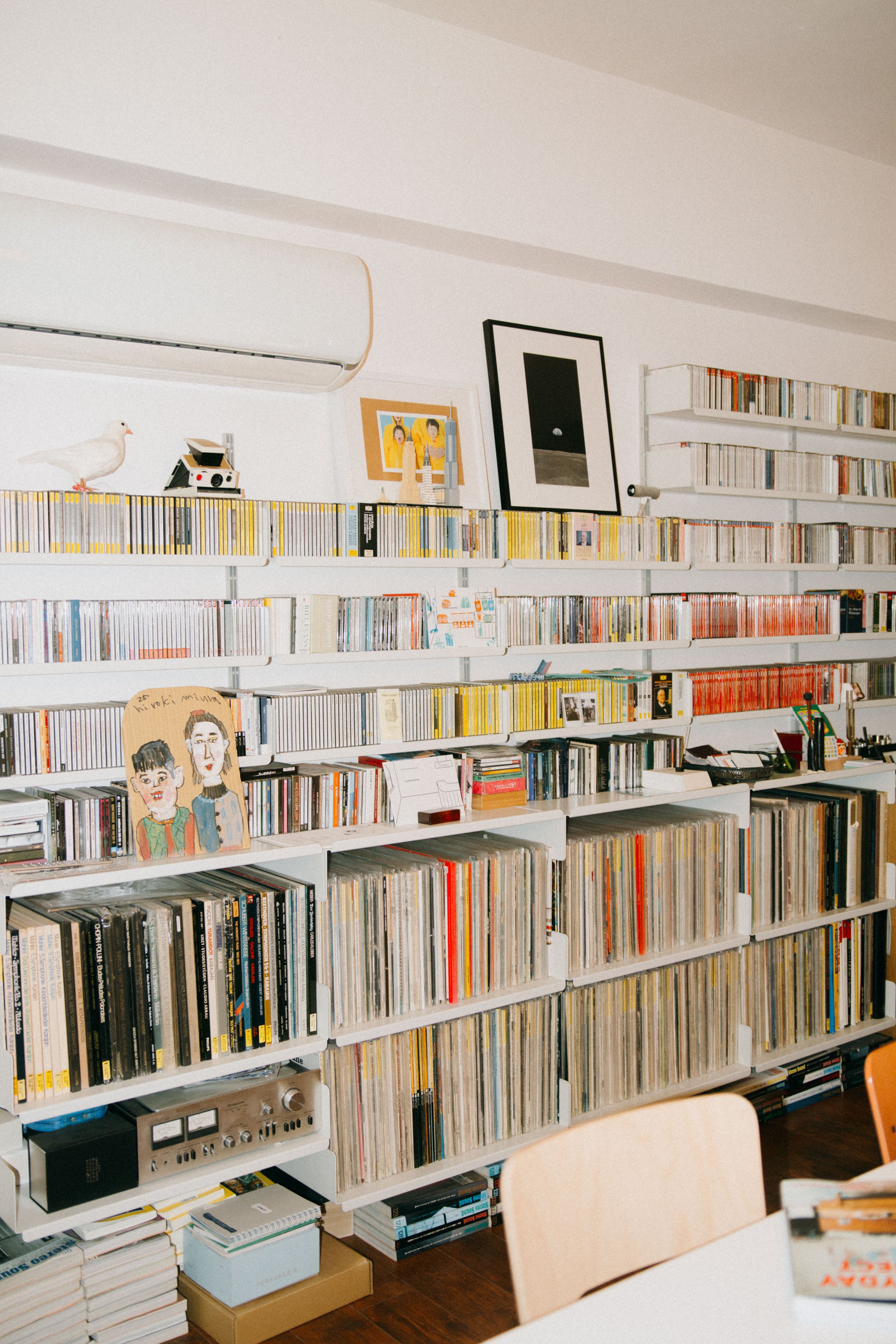
And we are almost at the bottom of my list of Qs for today, for those who are interested in getting into this business or starting something of their own. What suggestions or advice would you like to give them, or wish you had known sooner?
E: When you’re working as a multi-hyphenate media, you have to wear a lot of hats: writer, interviewer, creative director, trend forecaster, photographer, the list goes on. What I think people should spend their early years nurturing is that, even with all these responsibilities, your ability to find your own perspective and personal take is of the utmost importance. You can be on top of every trend or be the first among your peers to know everything, but if you can’t find a way to discover your independent POV, you might end up drifting along the waves instead of writing it. Things like this take time, so I highly encourage people to have those incubation years and really hone in on this if their environment allows.
M: Communication skills and language ability, never forget them. You mentioned earlier how the internet made the world tightly interlinked, so if you can speak or do research in other languages, your unique charisma will end up being your most powerful tool in navigating this really fast-paced industry.
To wrap this interview up, I am also curious personally: What’s on the horizon for you? Are any “Big things coming” in the works for you? What would you like the world (whichever random soul stumbled upon this article) to know about?
M: One of the biggest goals we have this year is to lean back into our core content, fewer retail events, fewer pop-ups, and pour more energy back into either short-form videos, articles, or the podcast we started earlier this year.
E: We are planning, in its super-early stage still, to have a full English publication on top of our existing annual magazines. It would be all about Taiwan, but we’re still finalizing how the book should look and what the tone of it is. Stay tuned!
James Kung : https://www.instagram.com/j_kung/
EVERYDAY OBJECT: https://www.everydayobject.us/
https://www.instagram.com/everydayobject.us/
Eric Chiu: https://www.instagram.com/chiueric1207/
Miffy Tsai:https://www.instagram.com/miffytsai/
In frame: Eric Chiu, Miffy Tsai
Photographer: James Kung
Interviewed by: James Kung
Location: Taipei, Taiwan