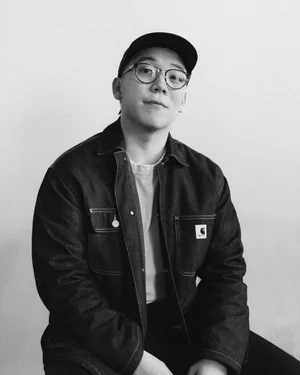
My Palace in Taiwan - Chung Yuan Kuo (郭中元)
“Solitude requires you to move past reacting to information created by other people and focus instead on your own thoughts and experiences – wherever you happened to be”
Hello Everyone! Happy 2026! Yes, yes, I know it’s already March, and where the hell have I been? Well, I’ve been busy taking some time to get used to being back in Dallas, and now I am recharged, stronger than ever, with a special piece for you! This year is already shaping out to be a good one, and I have some big plans – if I can stay delusional and courageous – for this project. Until then, enjoy a great lineup I have in the works for you!
One thing about me is that I am a proud Taiwanese, and one thing about interiors in Taiwan is that our options for interestingly built houses are a little more limited than in the States. Since we didn’t go through architectural movements like how Chicago did, or the nationwide Art Deco era, our hyper-fixation on efficiency and measures to counter humidity within interiors made most homes available extremely simple and uninformed. This phenomenon leads to one thing: people with a vision will often need to start fresh and alter everything down to the structure of a home before they can even fill it up with things they love. I find this particularly interesting because, unlike the West, to make a home uniquely yours, you don’t stumble upon your dream home but build it out, quite literally, even if it’s a condo, and I want to document cool places like these because that’s so cool, we are so cool because of that.
Without further ado, allow me to introduce you to Chung Yuan Kuo with some supplementary remarks from his equally fabulous partner, Sylvie. Surprisingly, I’ve been following Kuo since 2016, but it wasn’t until I started this project and saw his home being featured on Everyday Object that I put two and two together that I’ve long admired his lifestyle philosophy, and we live in the same city. After two years of coordinating, we finally got to sit down last Christmas Eve and talked about all things lifestyle, curation, art, design, and what his journey looks like in the most gorgeous home he shares with Sylvie.
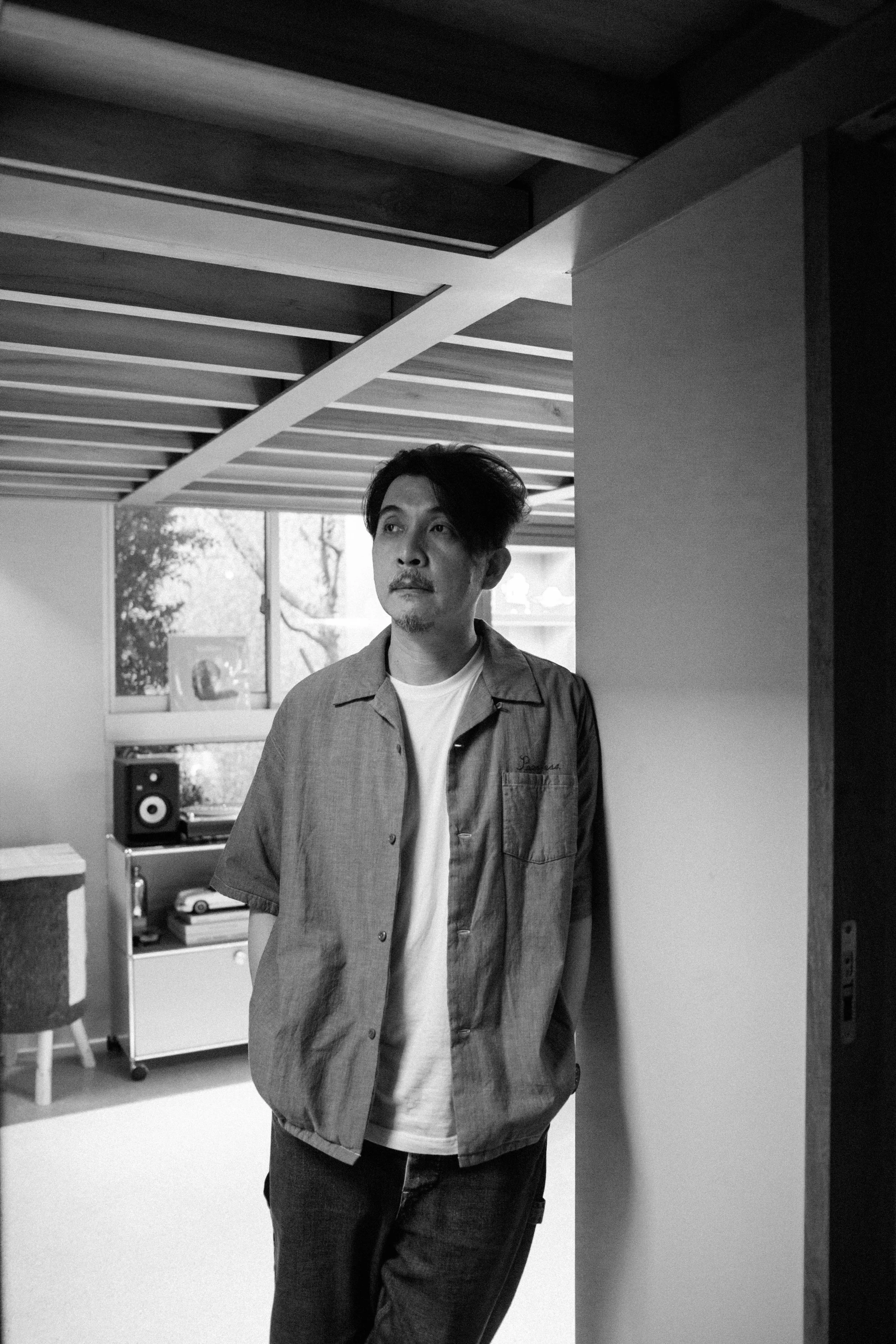
Hi Chung Yuan, it’s been a long time coming, and I’m so glad I finally have the opportunity to witness your gorgeous space! Now, before I bomb you with my questions, could you tell me who you are and what it is that you do?
I’ve been a graphic designer for thirty years, and now I’ve expanded my responsibilities towards education, working as an industry instructor in college, trying to bounce ideas and have much-needed conversations with future designers, preparing them for this new era, not just in practical skills but also in internal taste building.
From creative direction, brand consulting, packaging, teaching, and exhibit curation, your work is diverse in scale and medium on a whole different level. How was that journey like for you? How did you get to where you are now?
Beautiful things fascinate me and always have a way of catching my eye, it could be flowers, business signs, or books and magazines, as I grew a bit older, and thus I do believe this was the backbone of me doing what I do for as long as I could. Like many of my peers, magazines played a huge role in being the catalyst for our love of treating design as a vital language.
I’d like to see my personality reflect my career path really well. Luckily, I’ve always had things come my way and am pretty easy-going with it. Wherever the wind takes me would be the best way to encapsulate my journey. I started working in the industry pretty early on, even considering how young our entire industry was thirty years ago. Working under a design firm right after graduation for nearly twenty years definitely let me carve out a robust foundational skillset. Again, I wasn’t the type of person who sets too many goals; whatever felt right is what I’d consider the right path, and it won’t be made possible without those who believed and supported me.
You mentioned I wear many hats, one in particular is educator. In the past, most institutions were very academic in their approach to shaping young design minds. With birthrate declining, schools are now more inclined to bring in industry lecturers and show them what the industry actually looks like.
Another part of expanding my responsibilities was exhibit curation. For me, the idea of curating is how I am able to express my love for print materials, not just through graphic design, but transcribe them onto different media and scales. I often use magazines as a way to describe my curation style. The way a magazine is curated represents a systematic way of showcasing one’s imagination for the future; it elevates an abstract message into a layered, tangible image-centric format. Design and curating are both heavily intertwined because, to me, they both try to turn something so trivial or abstract into a physical copy, sending their message across with one compilation of image and text at a time.
You walked me through your philosophies within each category you decided to take on, as intertwined as they might be, decisions might still need to be made before jumping in. How did you make those decisions when opportunities present themselves?
You’re exactly right, there were moments I needed to ponder before making those jumps, some were pursued, or ideas revisited because of my vision, but none of them were really linear and ever really set in stone on my roadmap. Honestly, for how strict our society requires asian man to have a timeline in life, I’m pretty loose with it throughout my journey.
Sylvie (partner): To provide a little more context, as he said, he isn’t someone who sets deadlines for each stage of his life; in fact, he isn’t that keen on change altogether. *laughs
I would say the opportunities are always around him, and he responds to changes by re-evaluating his time and energy. After leaving his job as creative director under the corporate structure for nearly twenty years, he knew he needed to recalibrate and maybe take a small break from designing. In the meantime, he was teaching as a contractor, so transitioning into a full-time educator was a natural next step for him.
The same principle applies to curating and taking on roles like panel judges for design competitions. Most of the time, it’s his environment that asks him to re-allocate, and he responds to these changes without seeking out new opportunities as aggressively as his peers might.
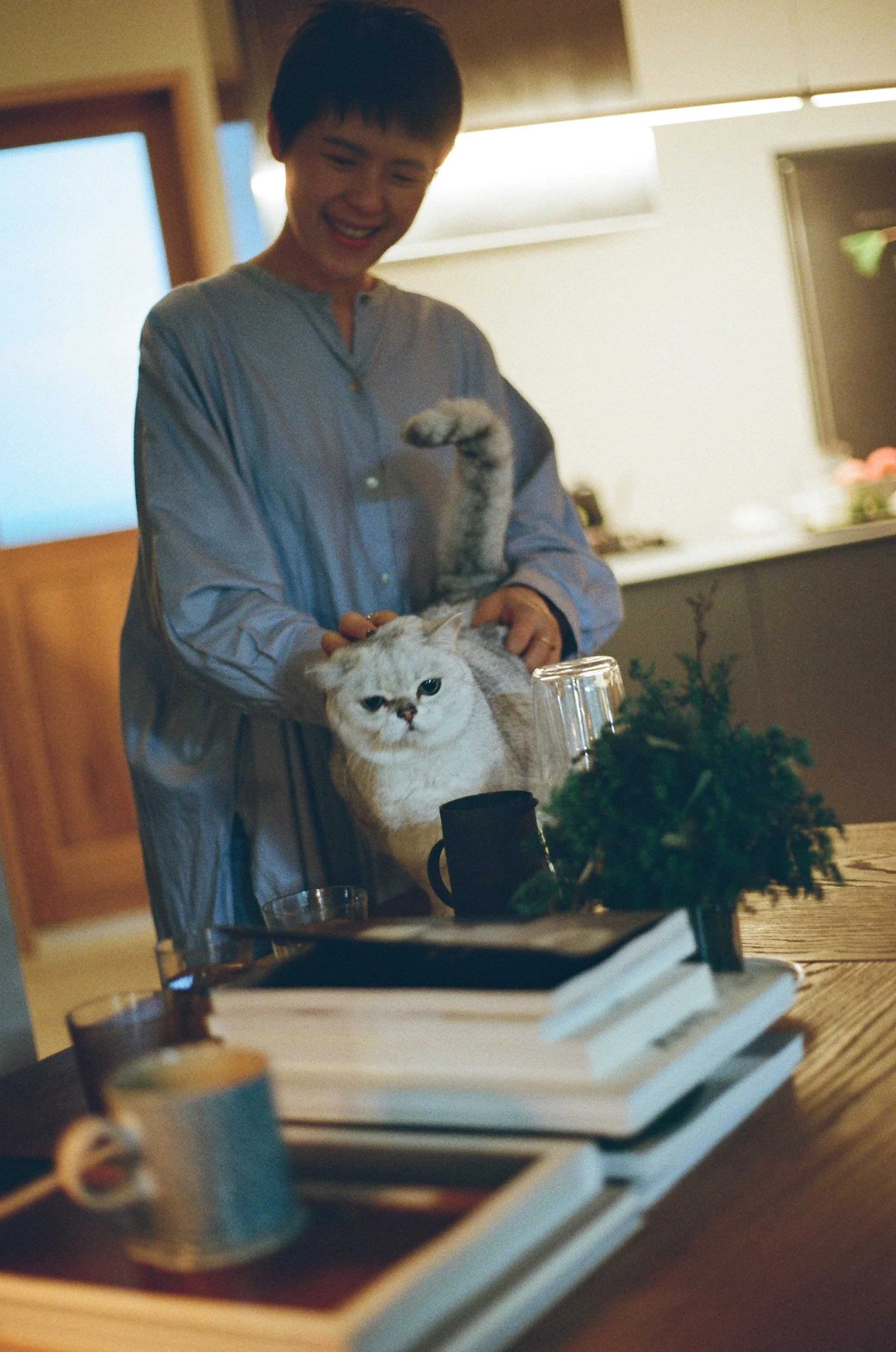
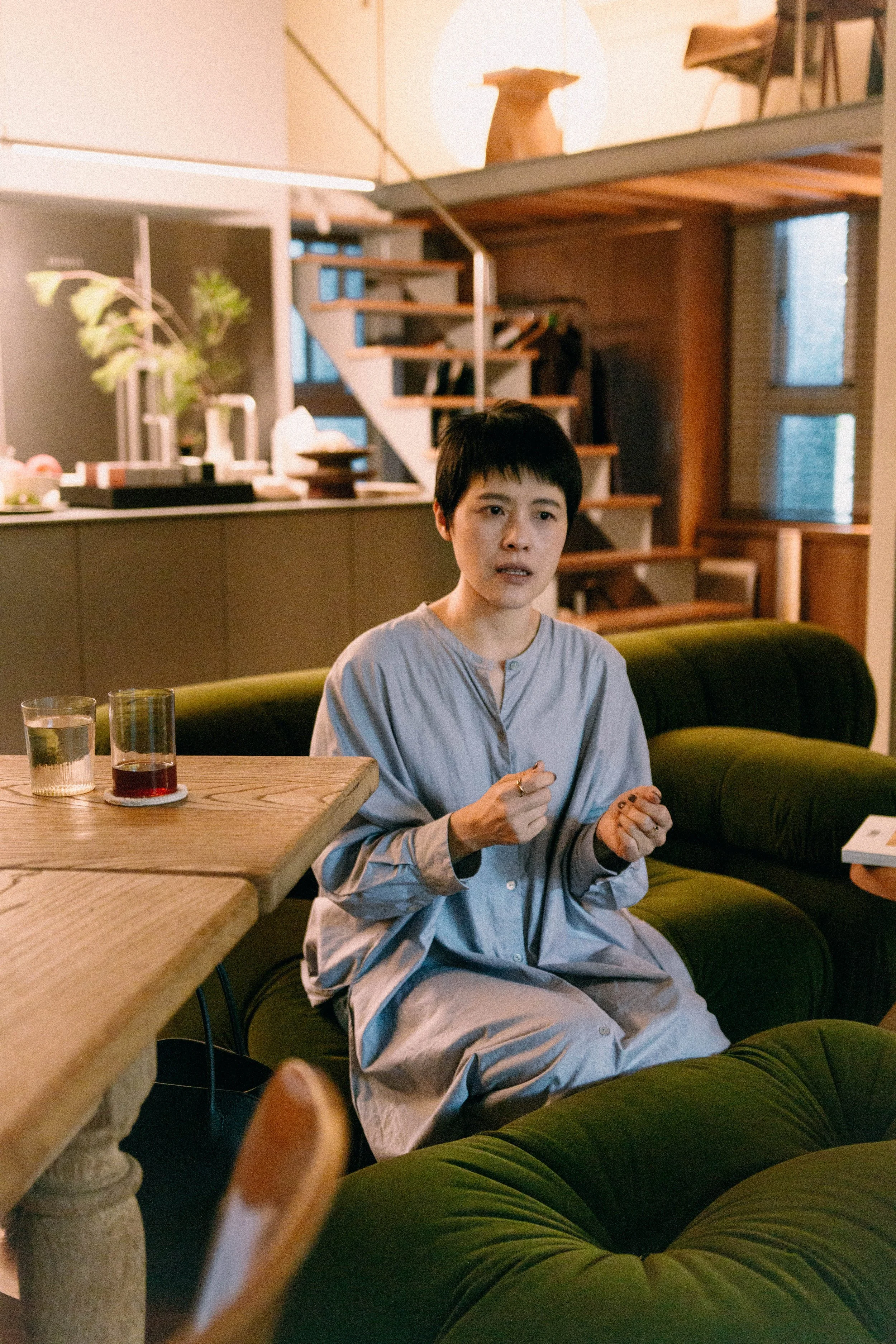
Among a list of your responsibilities across teaching, creative judge, and curator, you also own your own design studio called the Midroom Lab. What was that like for you, starting your studio slightly later than most?
Growing up as the youngest in the family, you develop a more relaxed perspective on life, so going with the flow and leaning into what felt right in my gut was an important guiding light.
To be honest, from an industry perspective, I’m fairly late to the game and to having a studio of my own. I don’t think I’m the best at management, and there’s a huge difference between working under someone and being a boss. I’m a Leo, so my industry knowledge, along with my self-doubt and a sprinkling of the classic - I don’t know if I could do a good job, so I’d rather not do it at all – mentality, is part of why it took me so long to officially launch Midroom Lag. *laughs
Because of that, I do have a pretty clear vision for freelancing jobs, curation, or even working with governments on exhibitions. I’ve always admired magazine editors, so now, whatever mantle or responsibility I take on, I try to do it as if I’m putting together a magazine issue. It’s pretty abstract and hard to explain, but I think that center principle is what makes my work unique and brings me plenty of joy, no matter how tiring it can be. *laughs
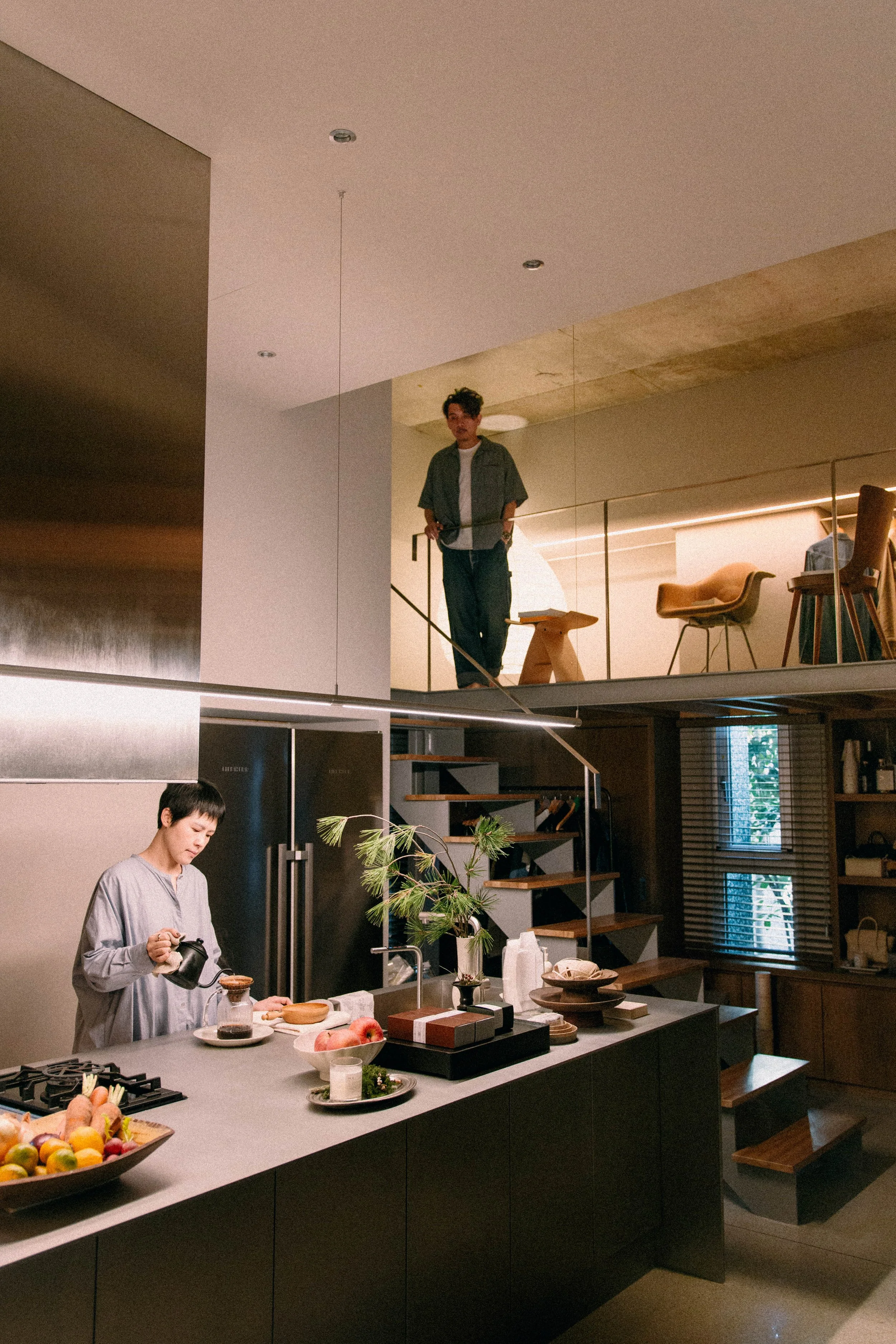
I’ve been out of school for over ten years now, so even I have no idea what the new generation thinks, especially in the creative field ( I went to business school). When facing the rapid change in generation and how normalized the design major is now, did your perspective and method change throughout the years?
I'm more of a quiet, introverted person. Oftentimes, I don't have that much to say, even if it involves my expertise, so everyone was surprised when I decided to teach in university. Was it a long and painful learning path for me? Yes, but I did learned a lot and coming from someone with no shiny degrees, this forced me back into the habit of learning, for the sake of getting what I know across to my students and combing through my industry knowledge while I prep for my classes.
There is a huge shift in my perspective, patience, and how much I’m willing to put my time into when it comes to teaching between then and now. I was never a good student, nor responded well to the traditional top-down structure we’ve all experienced during our youth. When it comes to me being on the opposite end, how do I get my idea across in a way that won’t sound like an old man preaching the same thing over and over was my biggest homework starting out.
We’re teaching under a very different time now; it used to take a lot more fighting or determination for kids to enroll in design-focused majors. On top of that, people’s attention span – not just the kids – is getting shorter and shorter, so it takes a lot of shifting perspective and getting used to when I’m trying to share my knowledge with the class. Instead of being frustrated – which often happens to be fairly honest with you – I decided that if only one person in the room went home with something useful, my time preparing and teaching would be considered well spent.
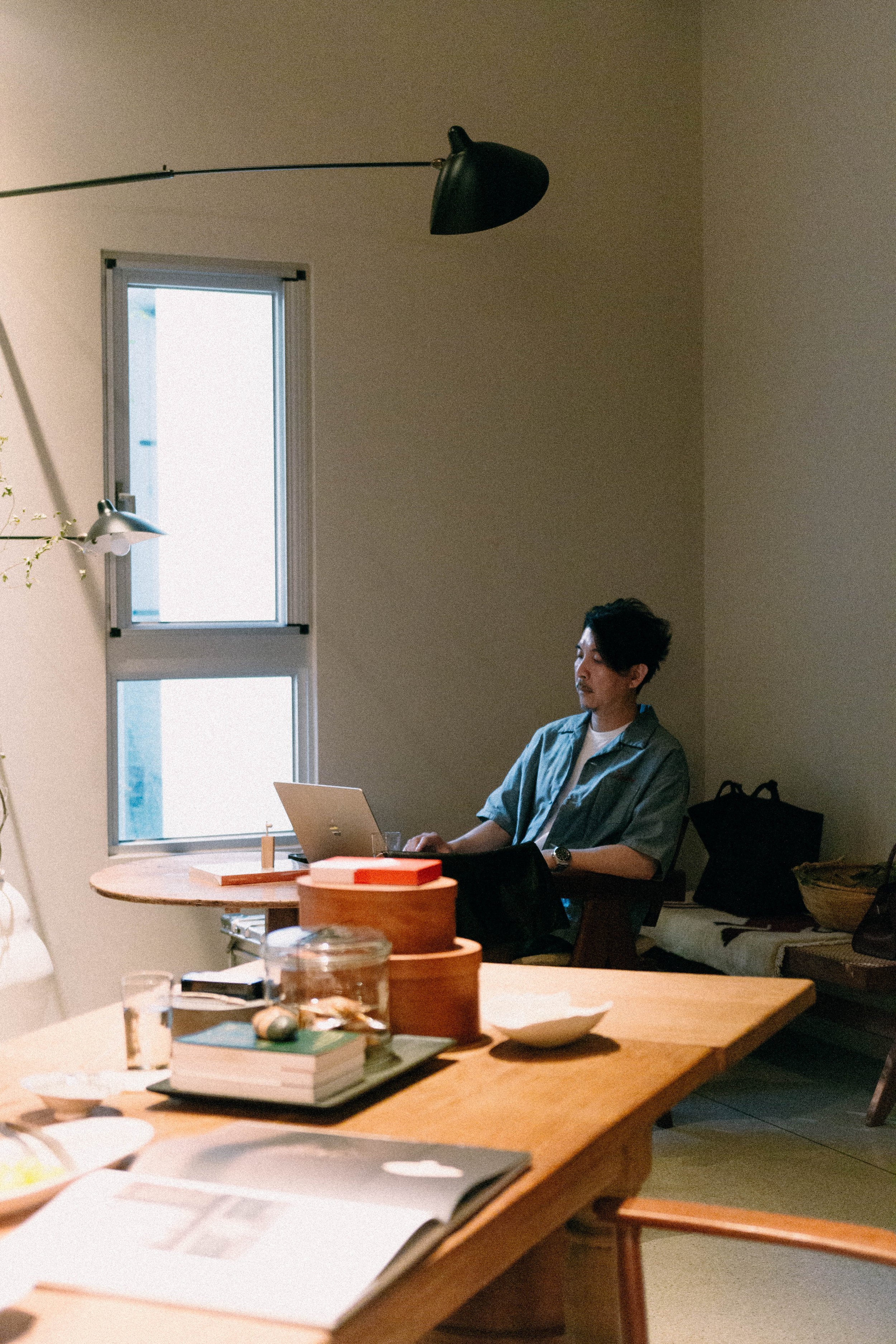
I’d like to ask you about your relationship with objects. You had a huge cleanout when you moved into this house. What is your main principle now when it comes to collecting?
It’s changing every day and every second.
At first, collecting for me was just the pursuit of that dopamine hit when the package arrived. Something to fill that void when you work in a fast-paced, stressful environment. This is a stage I’m sure everyone is familiar with.
A few years later, in perfect alignment with my aspiration to be an editor and my love for curation, I started collecting magazines. At one point, my room almost felt like a bookstore. *laughs
Through magazines, I gained access to the world of streetwear and all the chaos that comes with it. It’s addictive, it’s costly, and it creates a mentality of “I want to own it just because,” without really knowing what to do with it once it’s in my closet.
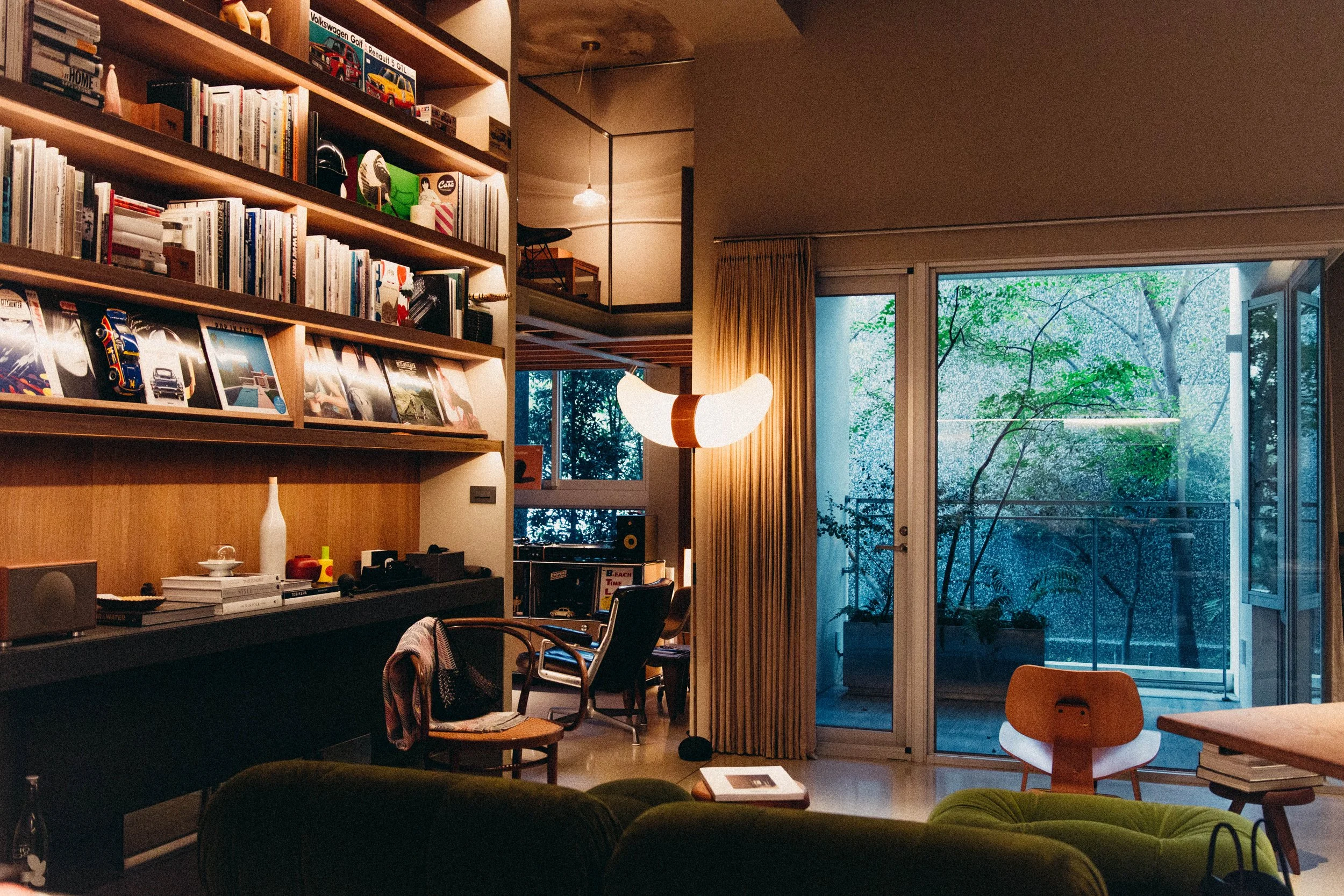
I’m sure everyone is familiar with collecting eras like this, and I could group them as investment or learning experiences, exploring how stores communicate with their customers and trying to unravel the secrets of their marketing, but it wasn’t really sustainable at the end of the day. Luckily, I had great friends around me who shifted my focus to more pragmatic, high-quality collections, mainly home goods and furniture.
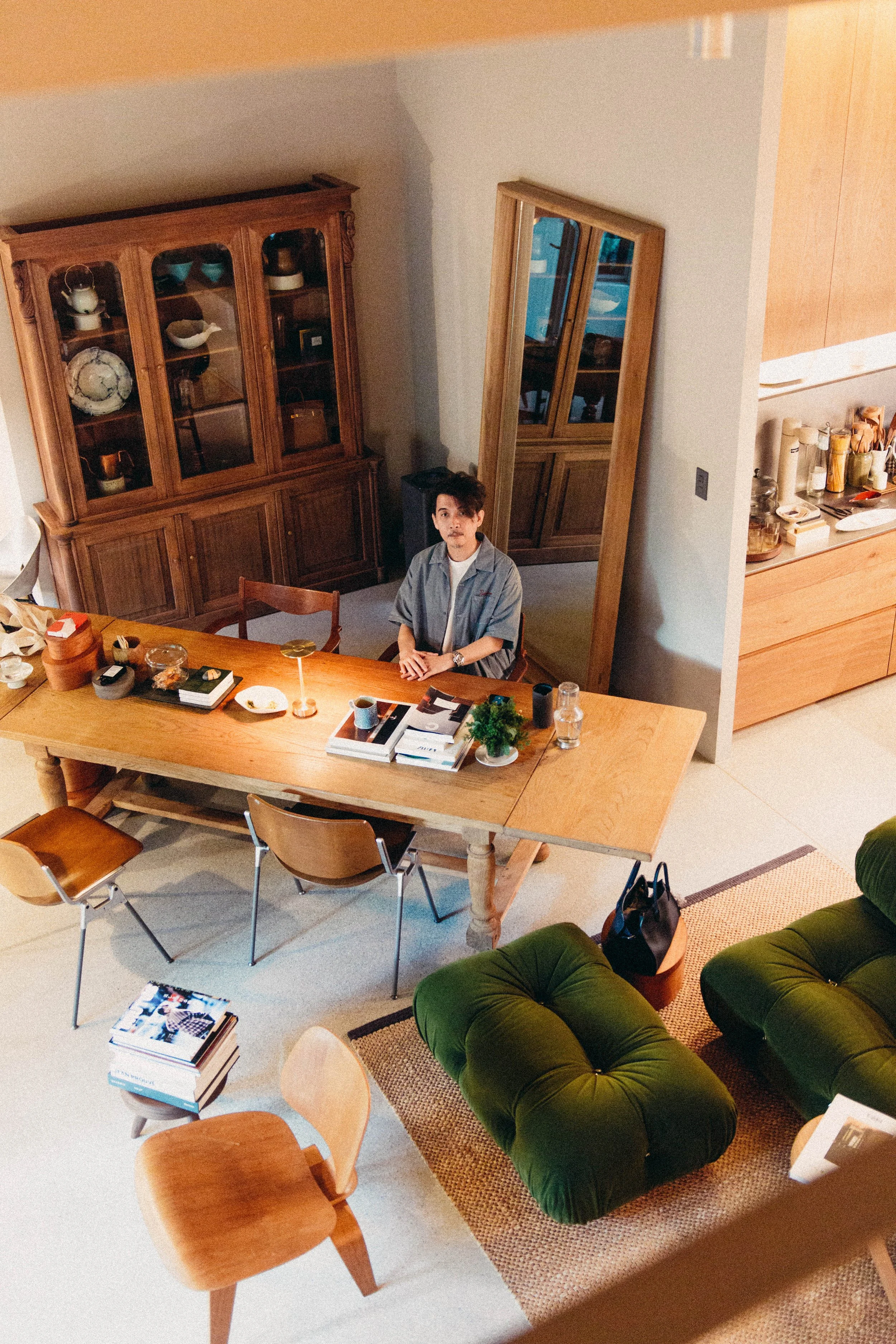
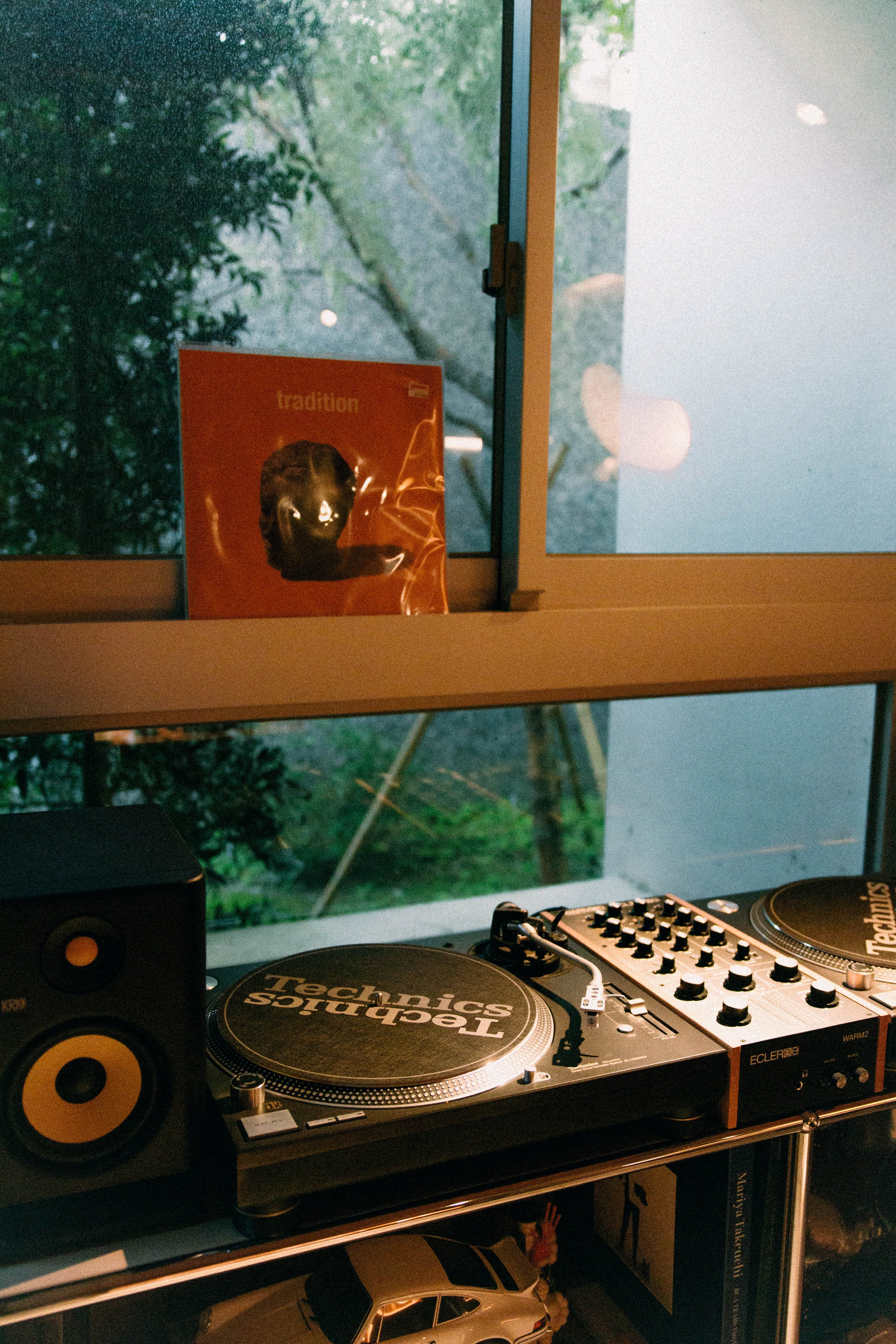
Most of the pieces you see around you right now were collected long after we finally got our own space. There will always be a faint sadness looming over you when you’re being realistic, knowing your space will never echo what you see in stores or how things are displayed out there. I definitely held off on a lot of purchases because of that, and now Sylvie and I don’t really hold back anymore when it comes to buying stuff for ourselves. We’ve grown a lot from our experience, threw away many pieces during our move, and gained more and more intentionality from it.
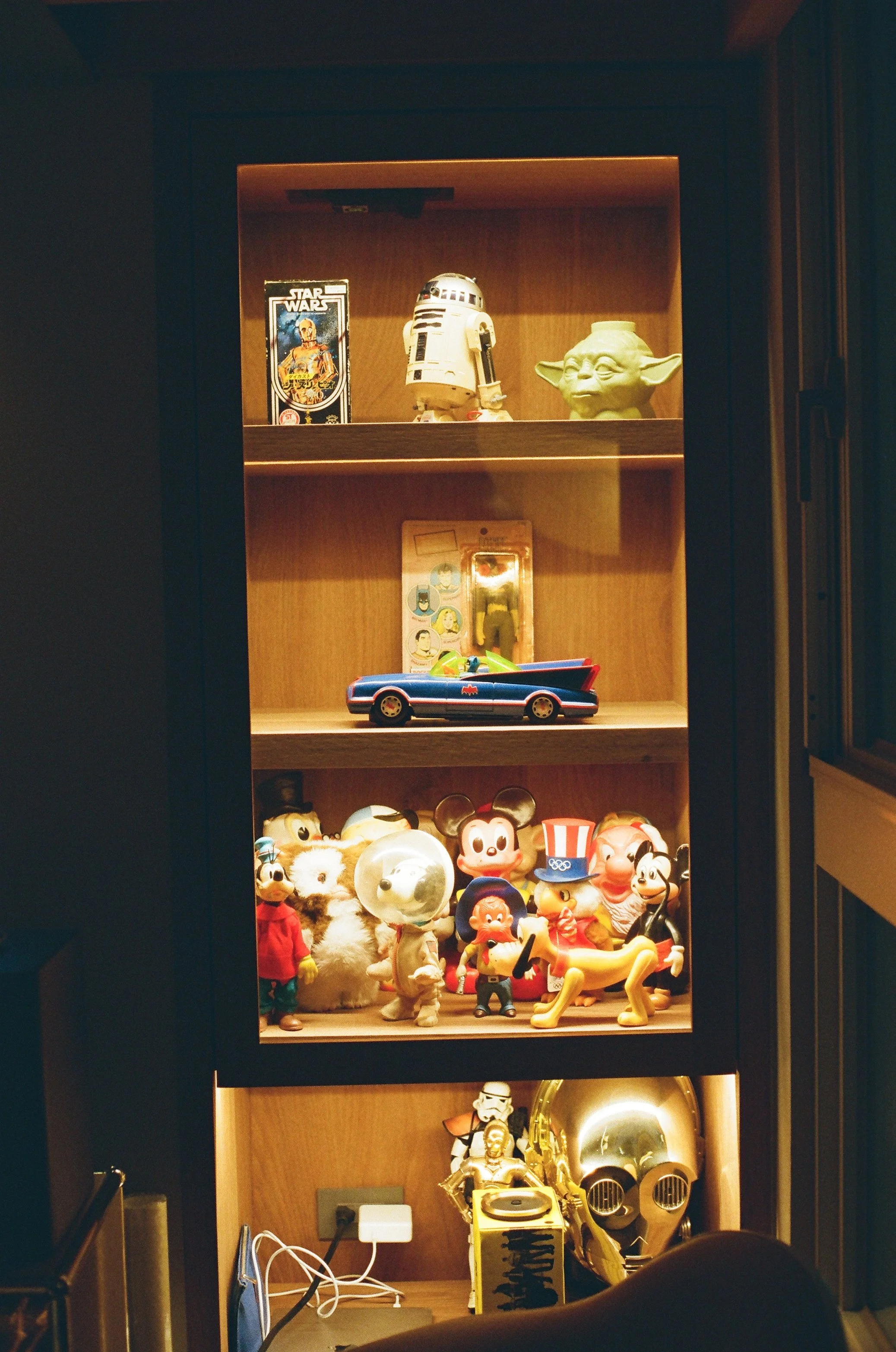
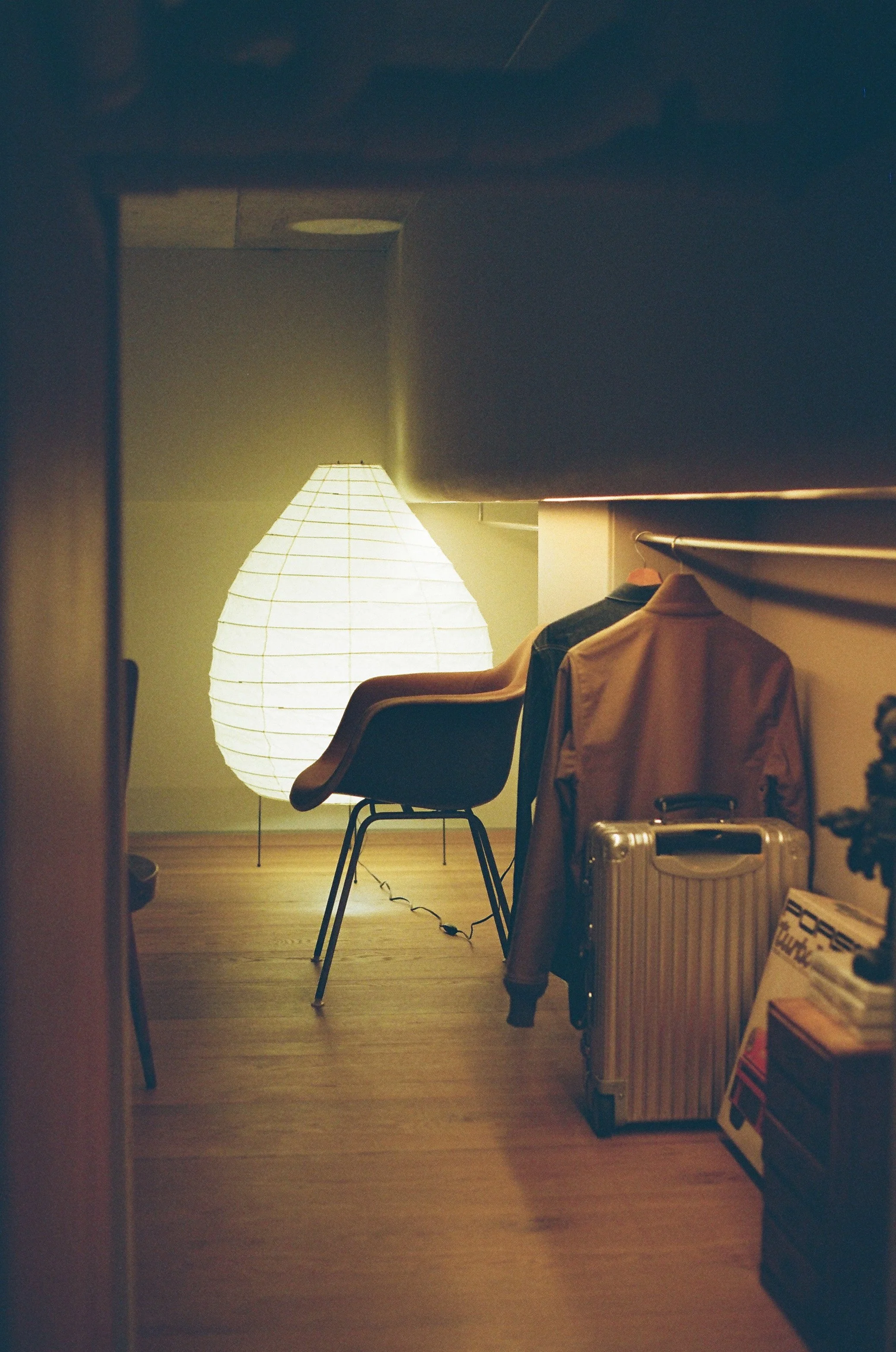
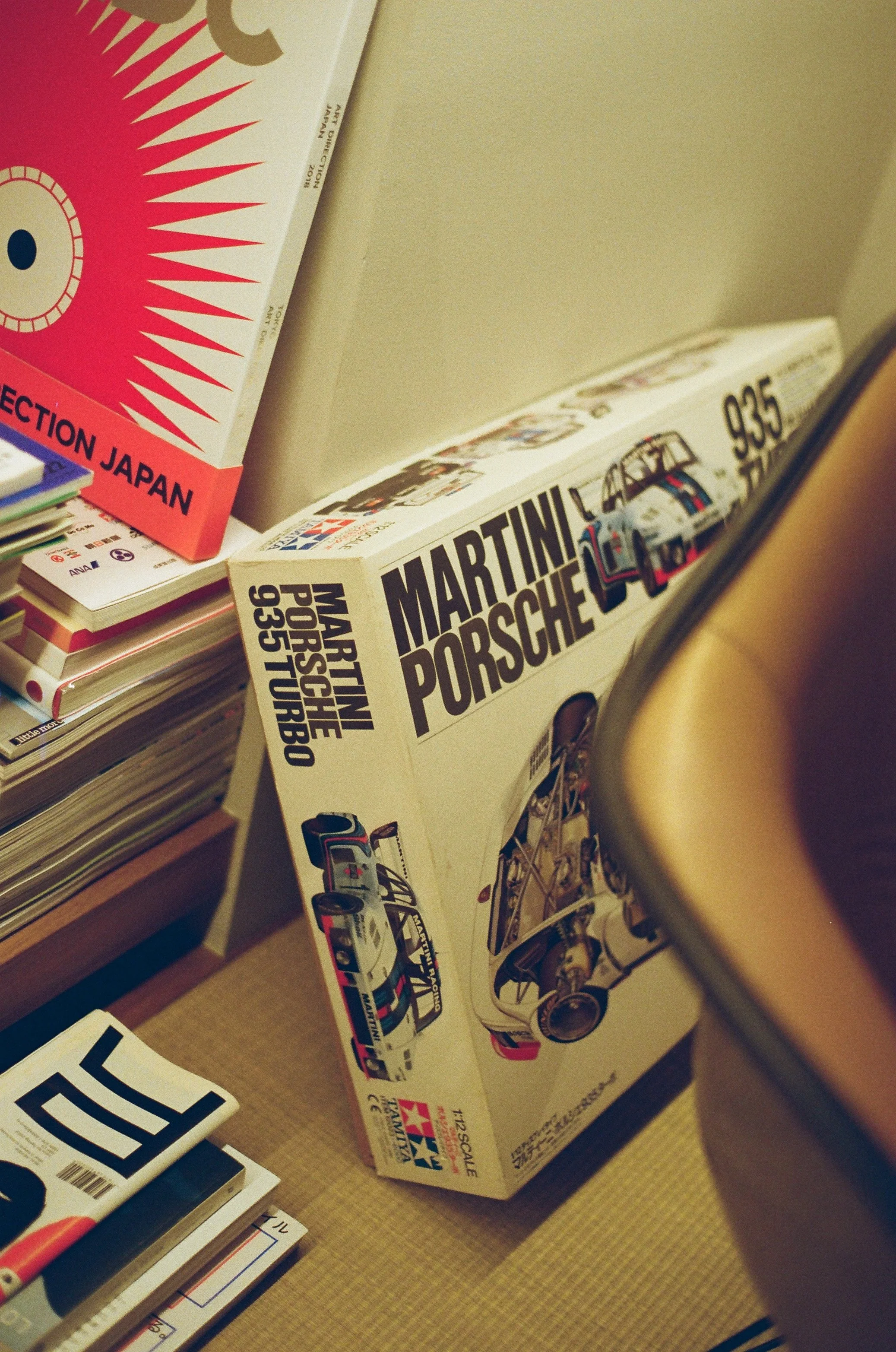
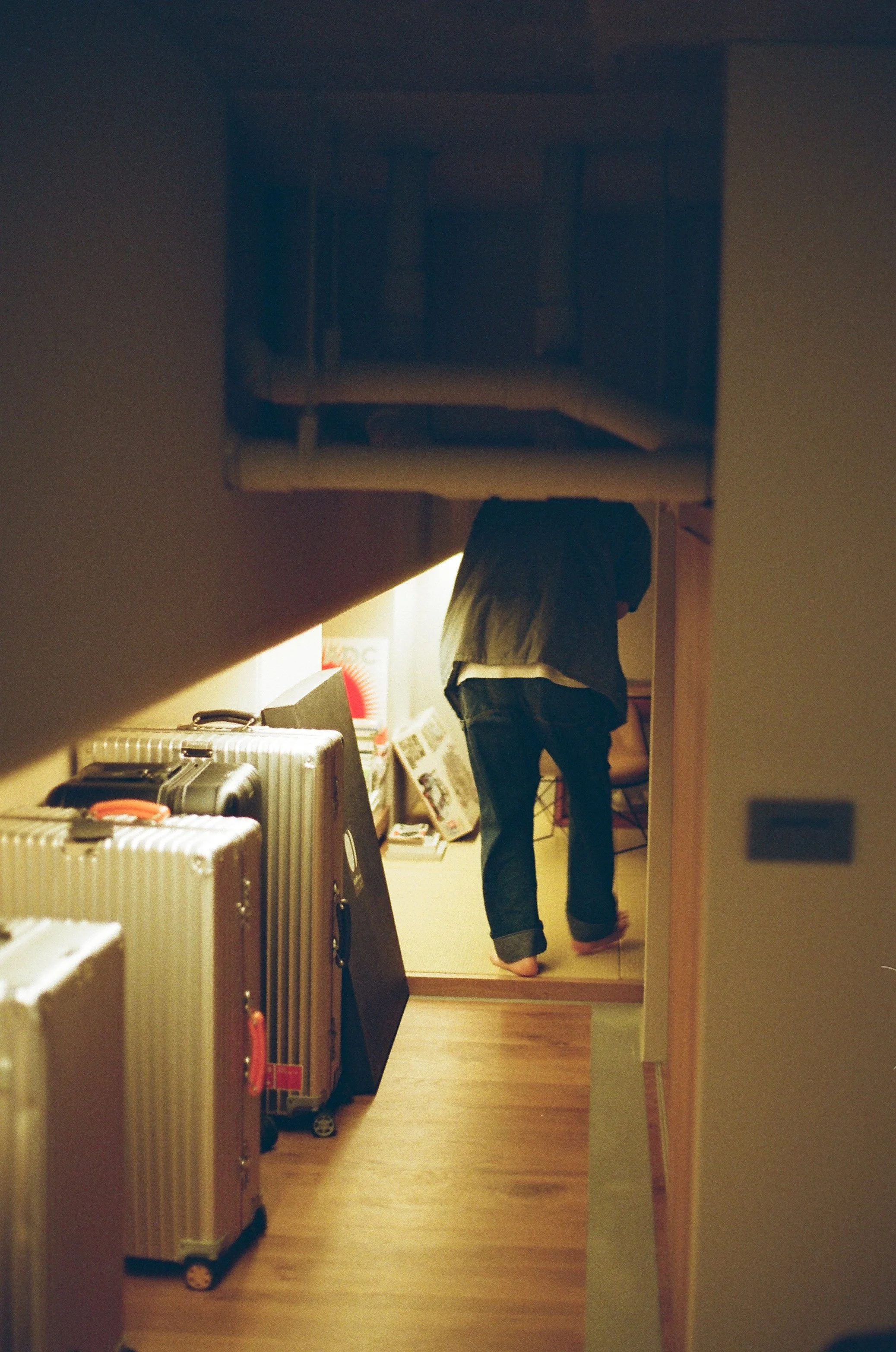
Daily ritual is a very popular term in Taiwan, but what really drew me into your taste is how particular and intentional you two are when it comes to living and taking things slow when you can. What was it like developing your own daily rituals with such intention?
I don’t think we started incorporating daily rituals into our lives until we both moved out and finally got a space of our own. I don’t have that much of an emphasis on it, but Sylvie is the one who encouraged me and kind of let me in on this world of slowing down, treating more mundane and daily moments with respect and intention.
Now that I have a car, I would say spending time alone in a space that guarantees full privacy has become pretty important. Either commuting to work or sometimes just out for a late-night cruise is liberating for me.
Sylvie: I do think it comes with age. When we’re both young, slowing down feels like a luxury that we could sever easily for efficiency. During our travels, we begin to notice how important living with intention is and how it can impact our daily lives. Nowadays, these rituals seep in and become something we both enjoy without feeling like extra chores.
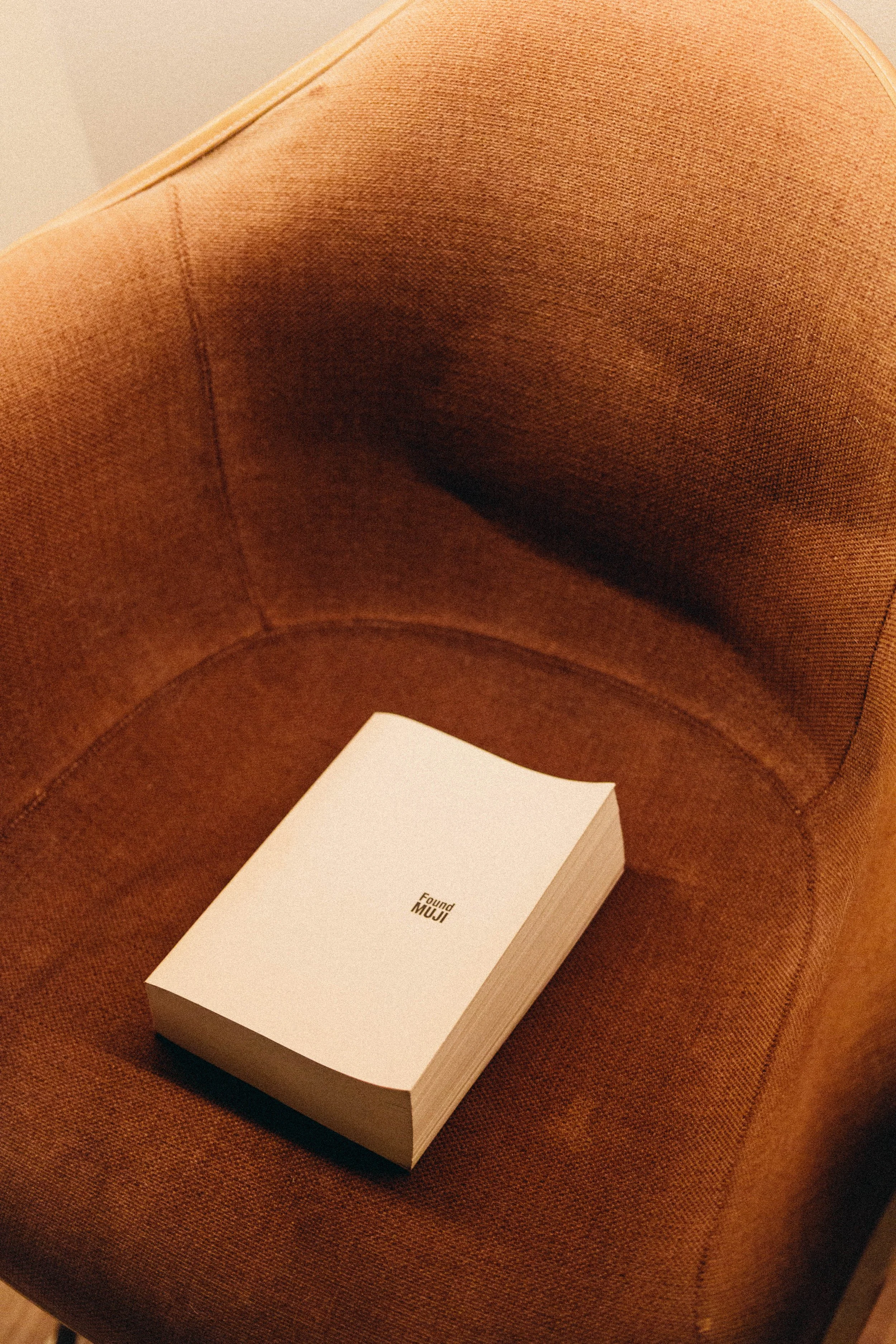
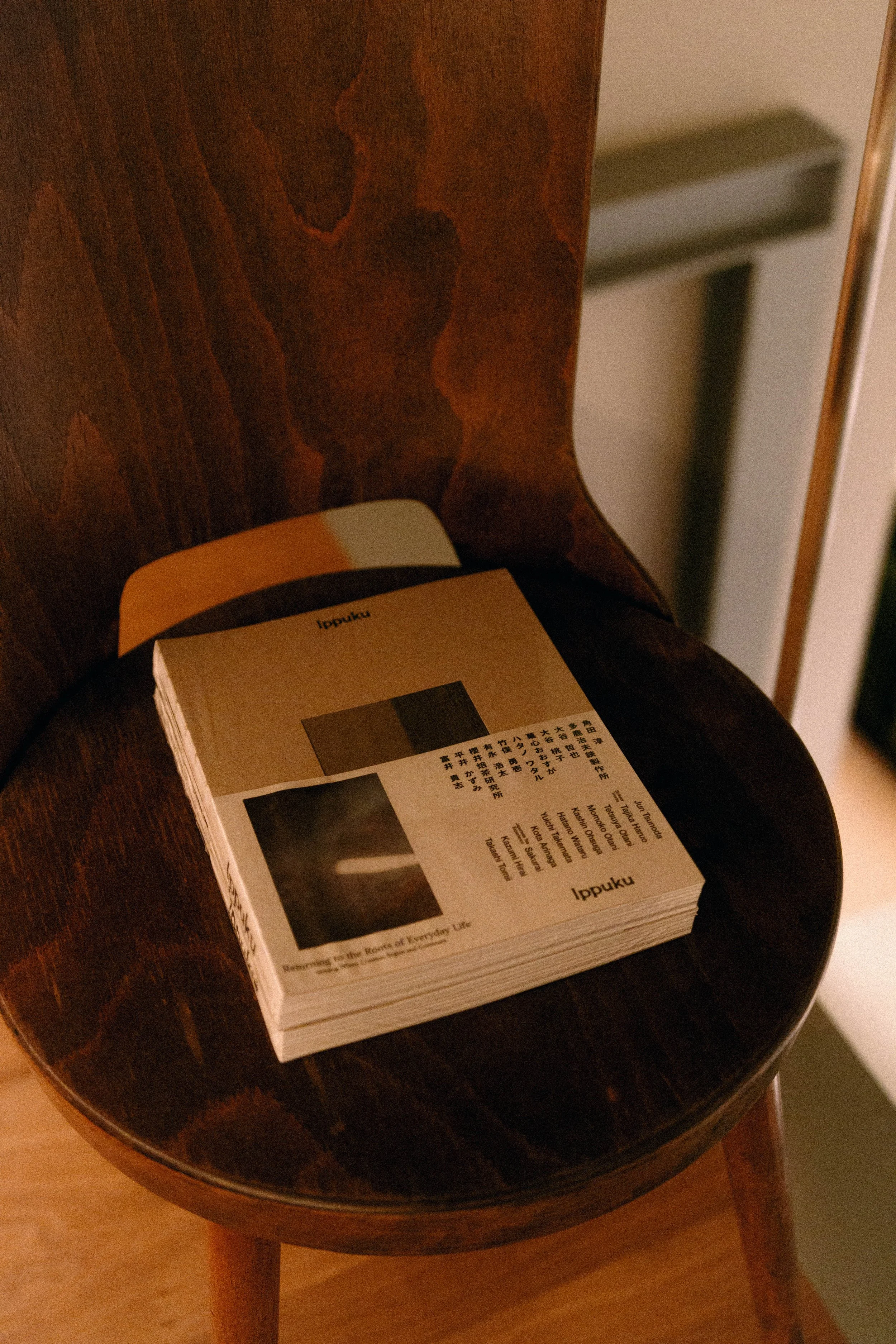
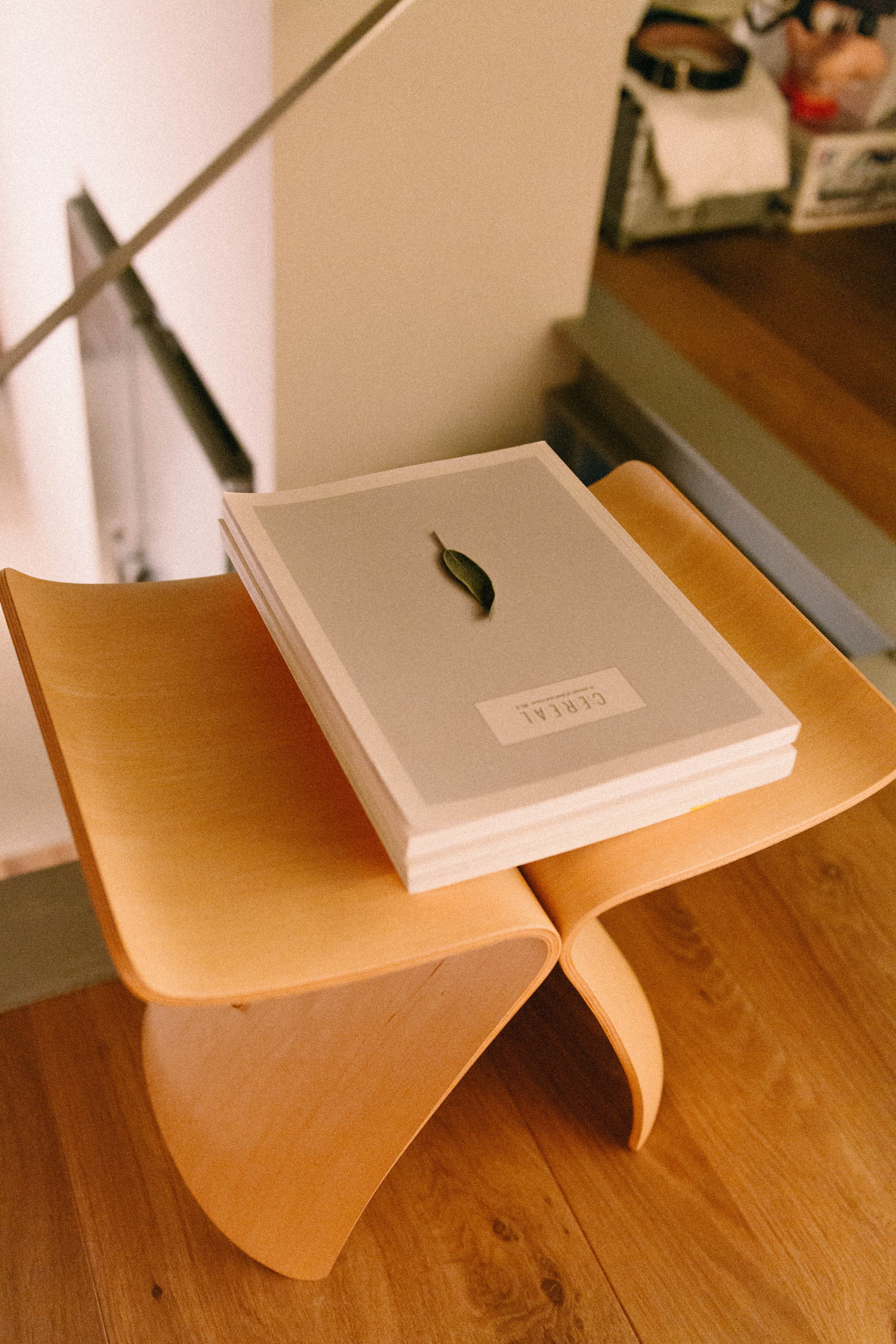
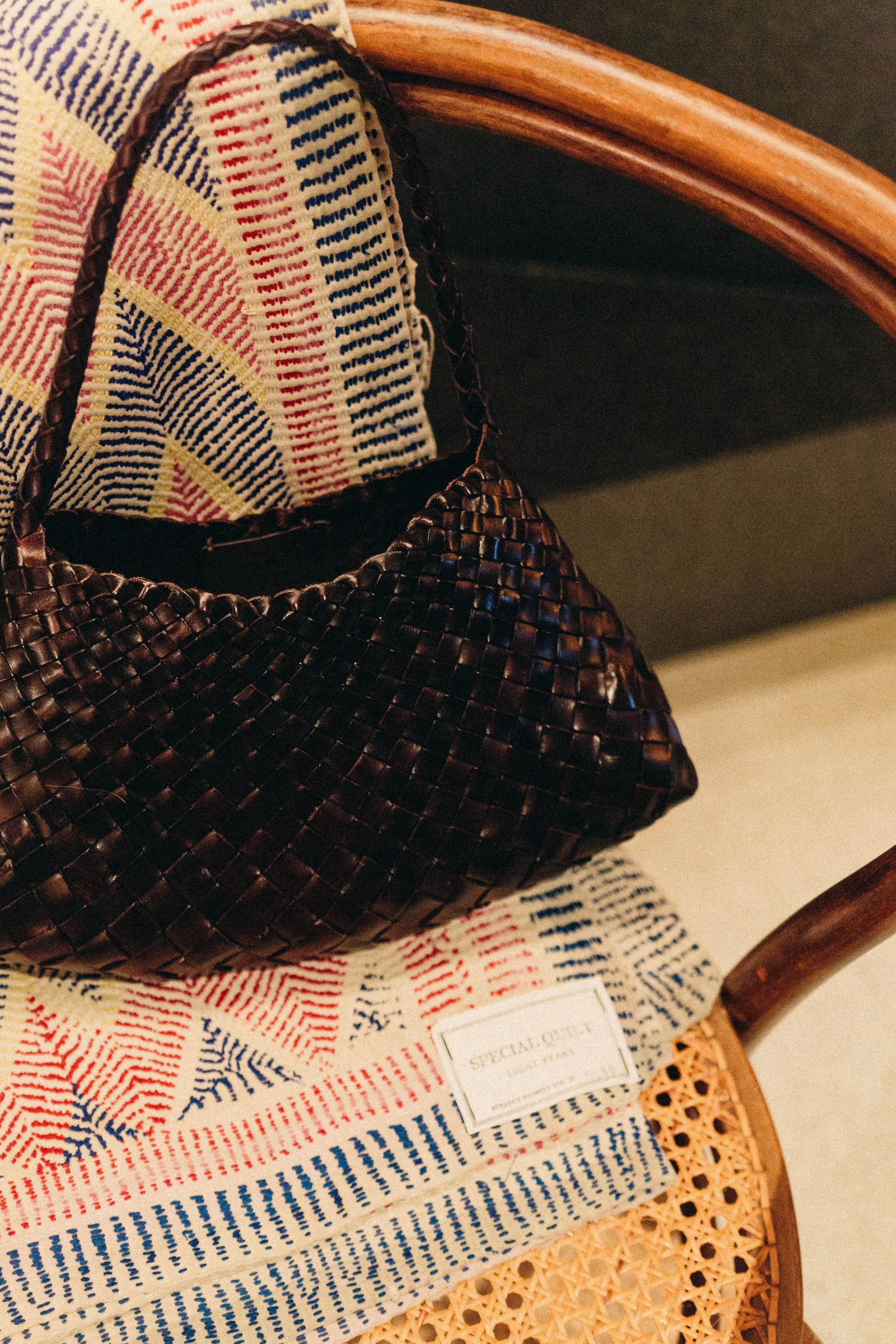
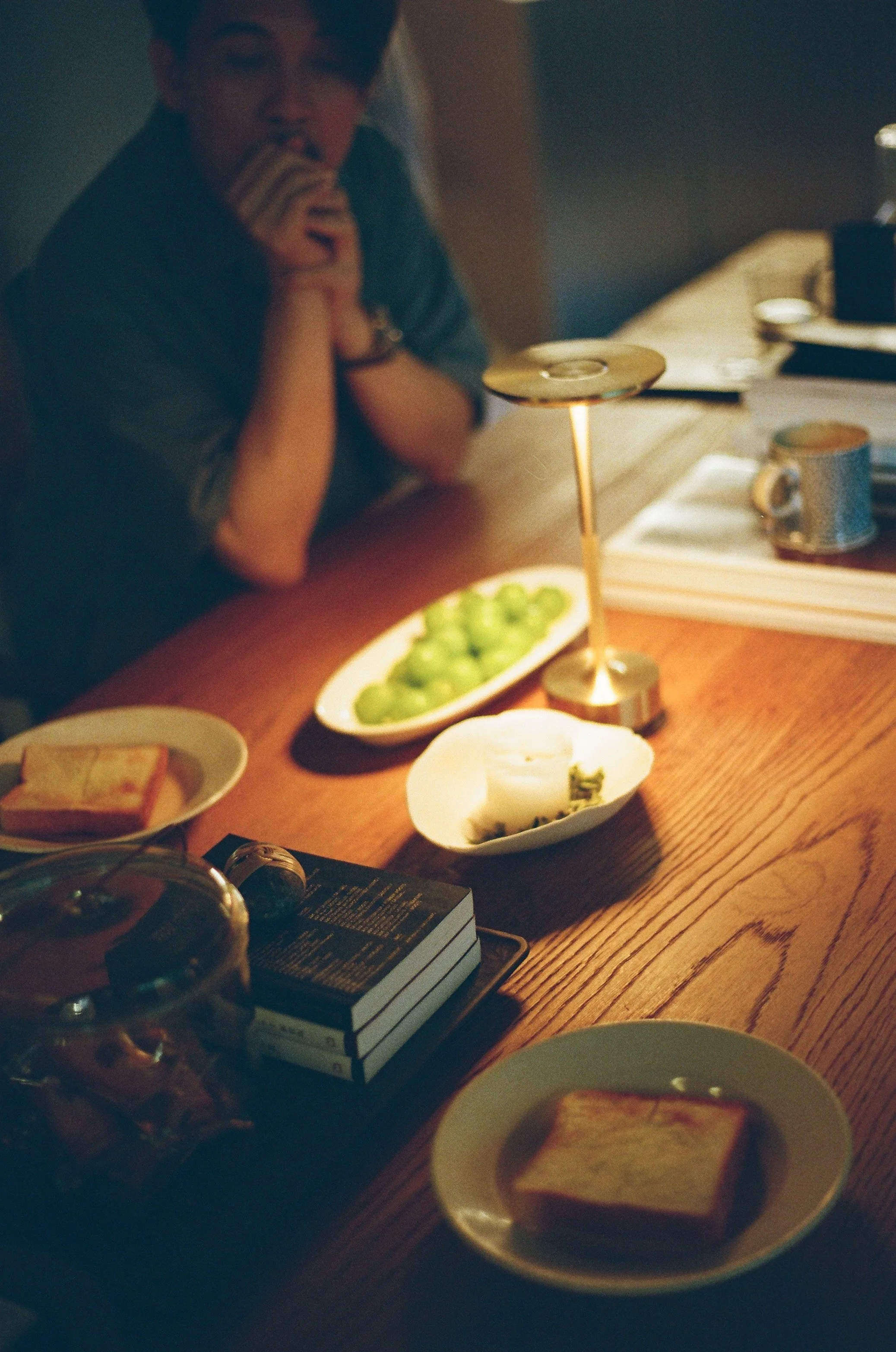
I often think one of the biggest struggles for collectors, especially when it comes to furniture, is finding that balance between built-ins and bringing in pieces you sourced, for example, cabinets, crednzas or system shelves. When you’re working with the designer for this place, did any conversation about things like this take place? How did y’all come to a satisfactory conclusion between the two?
Sylvie: Budget. *laughs
We worked with a great interior designer/friend when designing this space, just as you said. Since this is a new build, there is a lot to consider, including finding the perfect balance between built-ins and leaving blank spaces for our collection.
Jokes aside, our budget served as the perfect guardrail because we both have our non-negotiables. In the end, we went over budget, so we had to let go of certain components in the original design plan, which made space for our collection! *laughs
A common debate I had with myself for this space was why spend so much money on interior when you can’t take it with you to your next home, and why not just spend the money and enjoy the space to its full potential? But in the end, the perfect balance presented itself after finishing our kitchen island, my fireplace, tatami split deck room, and Kuo’s floor-to-ceiling shelf. We like the blank space we had at the end of the day, and Kuo taught me to take things slow and let our space populate itself organically with our taste and ever-growing collection.
Kuo: When we moved in, it was just a big empty space with all my chair collection. Even then, I had great faith in our taste, intentionality, and buying habits that it wouldn’t stay vacant for long. A promise I made to myself when we got this space was that I wouldn’t buy anything just for the sake of having it anymore. If it means we’ll have to wait a little longer for a big dining table, so be it. But I refuse to cram our dream home with things we might get bored with a few years down the road.
This is when negative space comes into play. Budget is one thing, but we worked with our designer, on top of our certain requests, to give this home some breathing room, so it can grow and let the right objects find their way back home with us.
I’m sure you have your fair share of traveling, seeing designs from around the world, and working on foreign projects. From your own point of view, what do you think of Taichung city?
I think we could afford to be a bit more aggressive and courageous as a city.
I could be a little biased since I was born and raised here, and familiarity breeds a sense of the mundane, but I constantly felt like Taichung, as a city, isn’t really sure of its own identity. That isn’t to say no one here is working towards making Taichung a great city; in fact, there are plenty, like you and I for example. Taichung, with its unique position, I think has always been chasing after Taipei, and it spent way too much time and precious resources on getting what other city has, over nurturing the spuds that could’ve made Taichung a culturally unique city.
Too many strings are intertwined in Taichung for it to be one size fits all, and I couldn’t do much outside of critiquing because I am only one person. However, we are seeing more promising changes and wins happening to people who care deeply about this city. It’s a very small step, but I am excited to see Taichung, like its city peers, find its own personality and move on from just being big and having big stores.
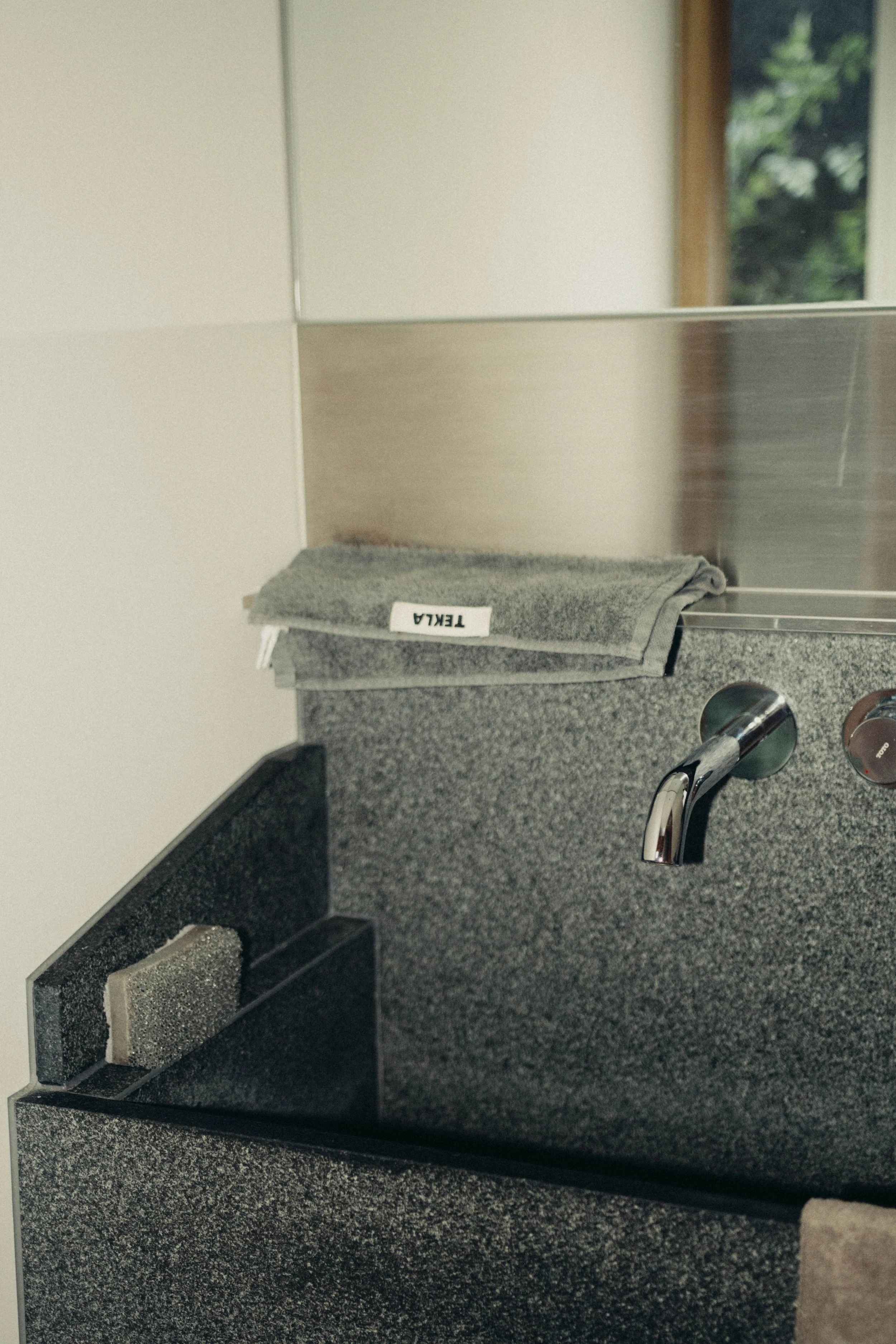
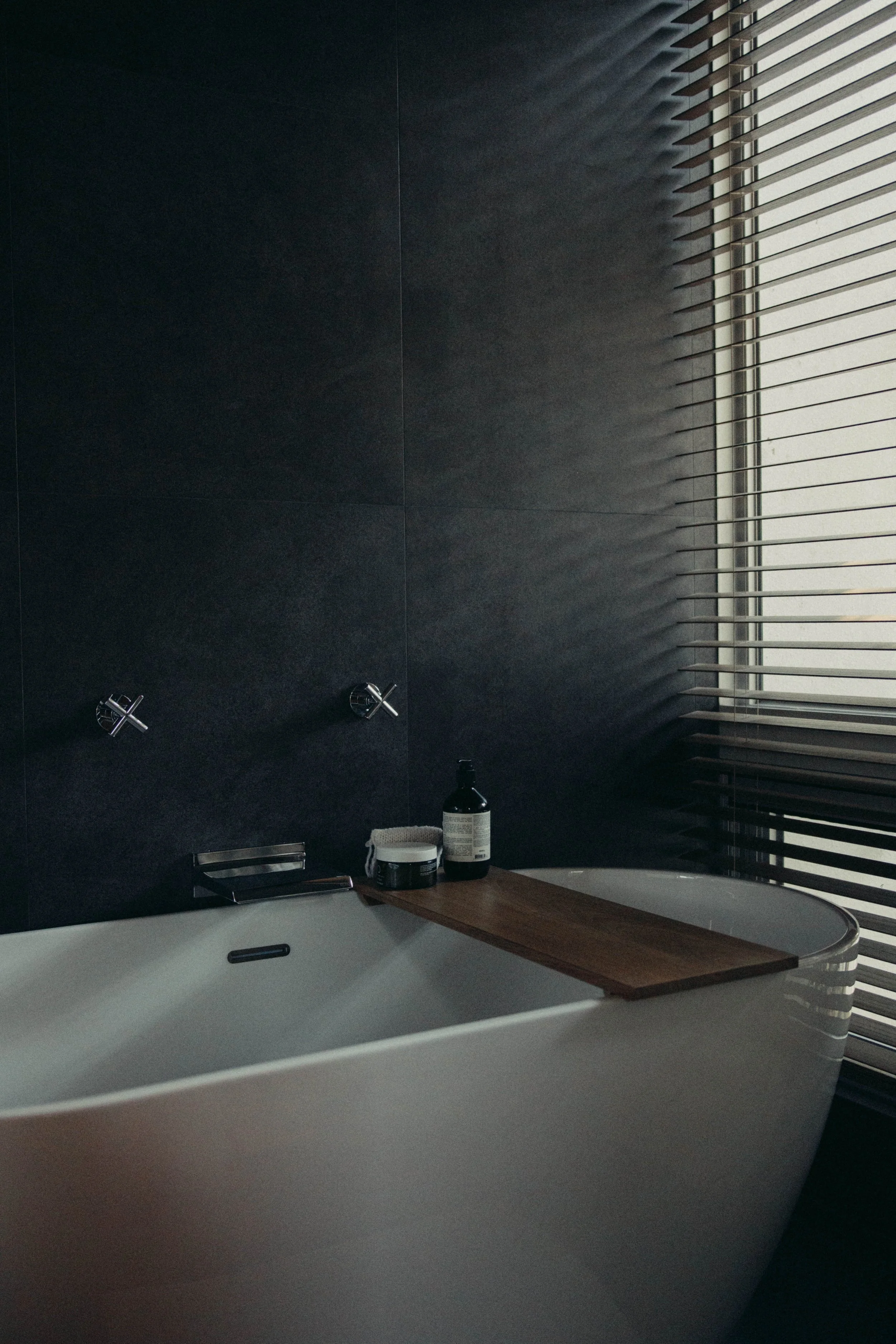
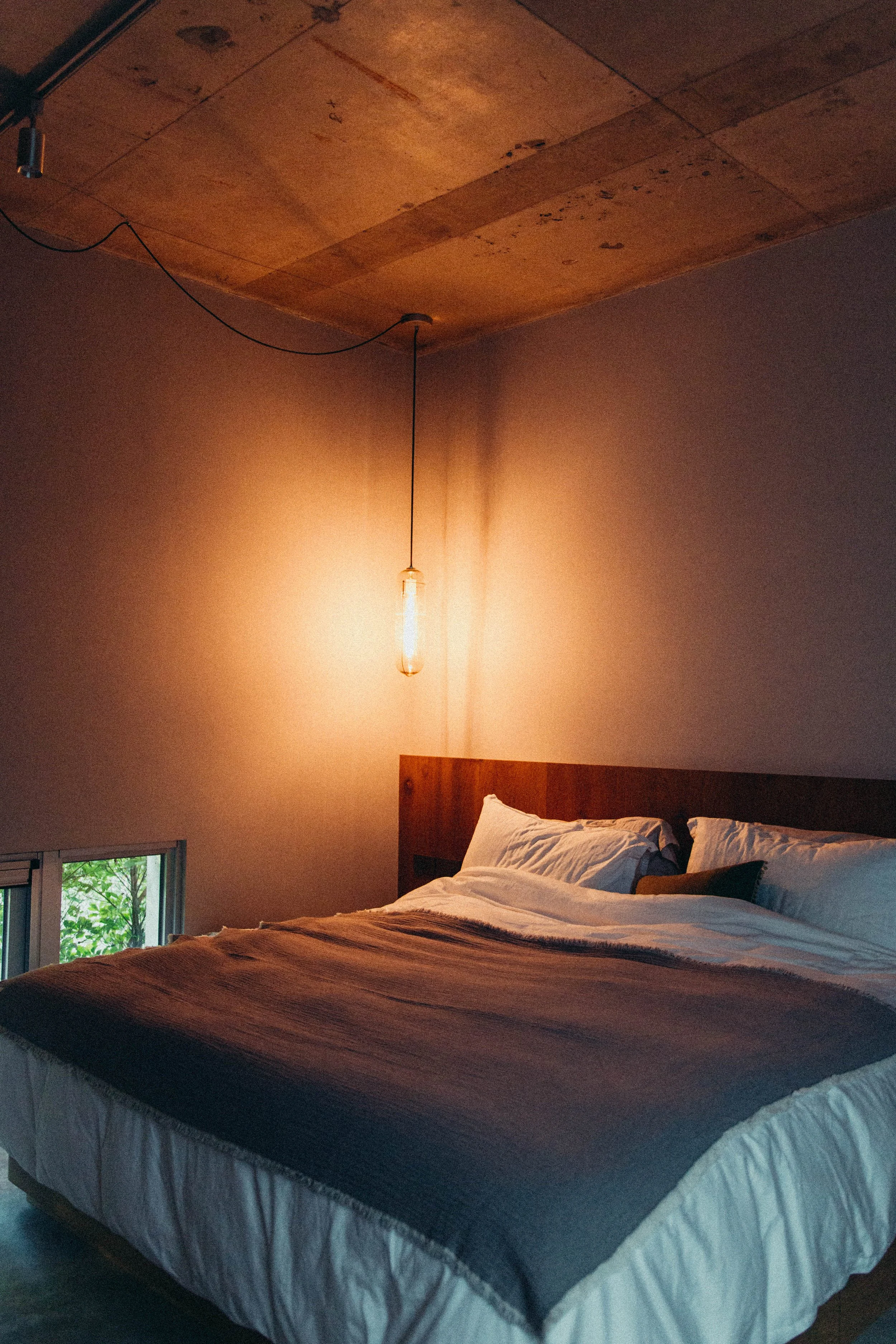
And we are almost at the bottom of my list of Qs for today, for those who are interested in getting into this business or starting something of their own. What advice would you like to give them or wish you had known sooner?
I think if your environment allows, try to work under a corporate or a brand for a few years, let’s say three years minimum, before coming out and starting your own studio.I get the excitement, truly, but if any this would be my advice to the kids.
With how easy it is to be seen, whether it’s within the industry or simply online, you might feel the pressure to start your own studio fresh out of school. Not to say you can’t, but I do believe it’s important to have that incubation period before doing so. One, like all jobs, you could use this time to understand if it’s something you want to bet your livelihood on, or if you’re cut out to do so. Two, as glamorous as being your own boss might seem, there are plenty of unseen skills that I think working under an established structure could help nurture. How to socialize, set boundaries, tight deadlines, delegate, I can name many of these intangible skills that would only aid you in the long run, no matter how talented or skilled in design you are.
To wrap this interview up, I am also curious personally: What’s on the horizon for you? Are any “Big things coming” in the works for you? What would you like the world (whichever random soul stumbled upon this article) to know about?
We go with the flow most of the time, so I don’t have anything specific in the works to share. But in the past few years, without mapping things out too deliberately, I have been working towards a vision, and it’s been nice seeing projects aligning into place. Hopefully, we have more of that down the line. As for future aspirations, I think Taiwan’s creative energy is at the cusp of something great, and as a brand consultant and creative curator, I am excited to see and aim to be a part of that change in the coming years.
James Kung : https://www.instagram.com/j_kung/
Chung Yuan Kuo: https://www.instagram.com/toymax1970/
Midroomlab: https://midroomlab.com/
In frame: Chung Yuan Kuo, Sylvie Yang
Photographer: James Kung
Interviewed by: James Kung
Location: Taichung, Taiwan