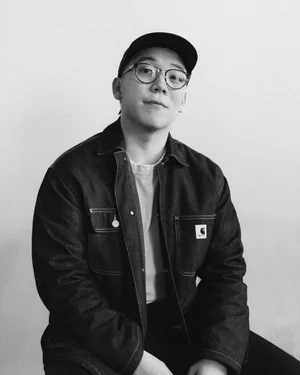
My Palace in Dallas - Scott Parks
“Solitude requires you to move past reacting to information created by other people and focus instead on your own thoughts and experiences – wherever you happened to be”
Have you heard? We made it through another year! It’s been a pretty chaotic one, and life has been nothing short of crazy for me, but like how everyone views the finales of every year, it’s coming to an end. I’m so proud of all of us for making it this far, maybe not flawlessly, but definitely with great suave. At least that’ll be the case if you are an active reader of this blog. *wink wink
I started My Palace in Dallas during the height of the pandemic, and it was born from pure curiosity: I want to know, I want to see, and, most importantly, I want to document what the people around me have become after these unprecedented years. They can be artists or comedians, or they can also be the people you meet on the street—which is quite hard because, supposedly, people in Dallas don’t walk at all. So, what is it that they do? This project delves into their stories and, as the name suggests, explores their Palace in Dallas.
Without further ado, allow me to introduce you to Scott Parks! Sometime around last year, I met Scott and his husband Ali at Marcello’s special event, and as a chronicle coincidence enjoyer, I ran into them again at a friend’s birthday party. I’ve always been intrigued by him and how he carries himself; later on, learning he’s an architect only adds to the intriguing nature I wish to know better one day. Luckily, he said yes amidst his busy schedule and sat down with me on a nice early Fall morning! We talked about their apartment, the new Kessler house that’s under construction, and everything that makes him so special in my eyes. It’s a fun one to end the year on, and I hope you’ll enjoy reading this as much as I did writing it!
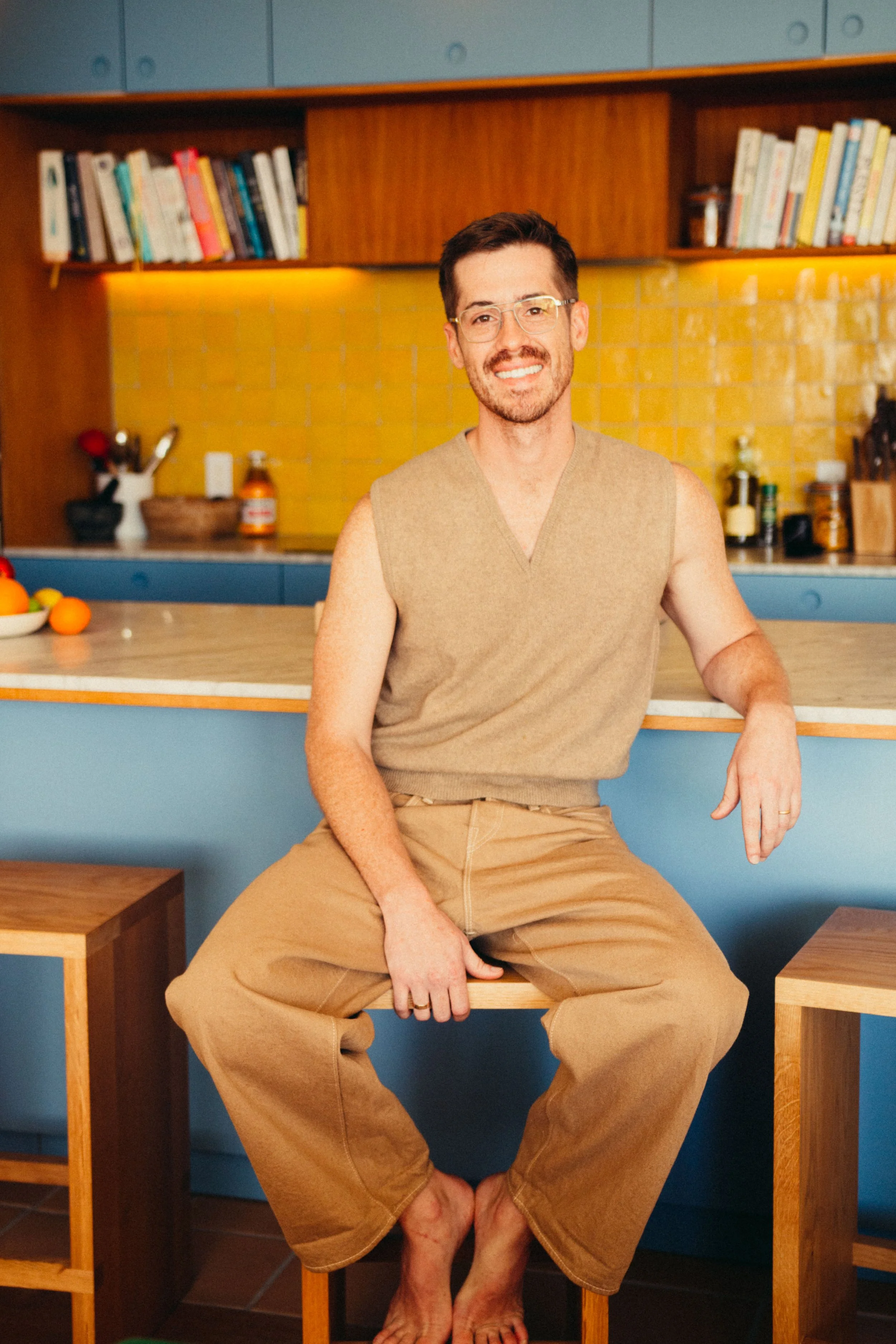
Hello Scott! Thank you for sitting down with me today! Before I bomb you with questions, for anyone who might not have the chance to know who you are, would you like to tell me a bit about yourself? Who are you, and what is it that you do?
My name is Scott Parks, and I own a studio for architecture here in Dallas, called Scott Parks Studio.
A full circle is always interesting, knowing how your work was technically featured by this project before yourself! (Patricio’s apartment). From the AD feature to various projects, and now slowly witnessing you building your dream home is such a treat to follow along. Could you tell me what the journey was like for you? How did you get to where you are now?
I try to be really patient, and it has been a long journey.
I attended UT Austin for college with a focus track on real estate. Growing up, I loved reading the real estate section, especially the column by Steve Brown in the Dallas Morning News. The process of development and how a city grows and transforms fascinates me. Dallas was, and still is, in this transformative phase. During my years here, witnessing that rapid growth was exciting, and I believed real estate was the right path for me to be part of that change.
While interning with a developer in Austin, we often had architects coming in and out of the office. I started seeing architecture as something that combines my creativity with my pragmatic side, so I changed my focus and added a second major to access architecture courses during my last year at UT. I filled my schedule with drawing and design classes, compiled a few portfolios, and eventually enrolled at Yale. My time at Yale truly shaped my career as an architect. I was fortunate to land a position in the office of my last professor and now the school’s first female dean, Deborah Berke.
Throughout my time there, various projects on different scales moved through the office, from homes in the Hamptons to 432 Park Avenue. Witnessing the level of care given to each client was inspiring and often a reminder of what it means to be an architect and how fortunate I was to be there.
Dallas holds a special place in my heart. I returned here, got licensed, and always knew this city was where I wanted to start my own practice. Understanding Dallas from a design perspective has been a goal of mine since I started at Yale. Many years later, my core focus remains the same: Amplifying what makes this city so special, understanding what it means to build something of my own in Dallas, a city I consider home.
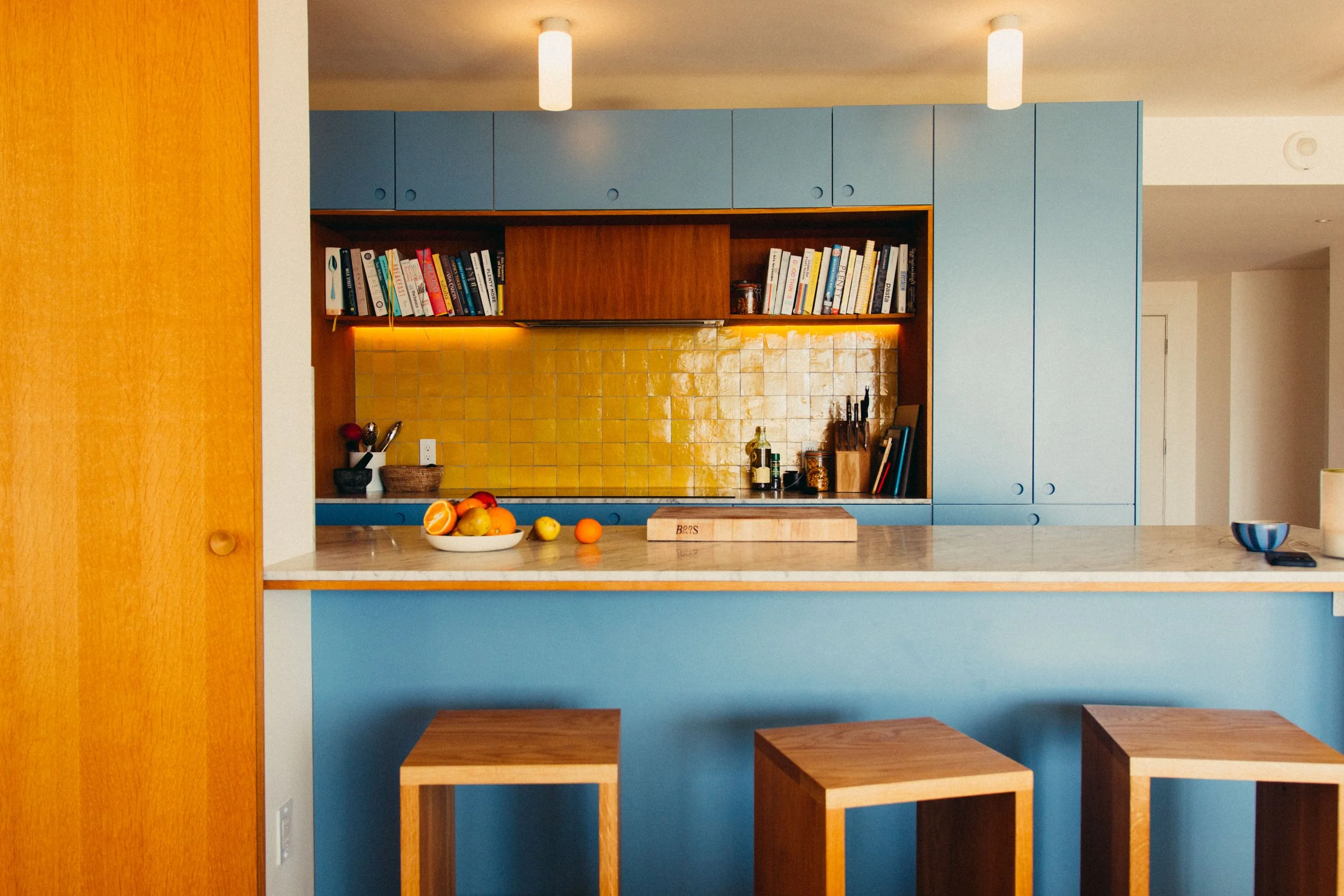
After spending a little over four years now, do you have an idea of what you want to build here in Dallas with your firm?
People can feel the intent of the architect in the space they inhabit.
I want people to feel how much I loved what I was doing through my buildings, and hopefully, the joy I felt while working on them could be contagious.
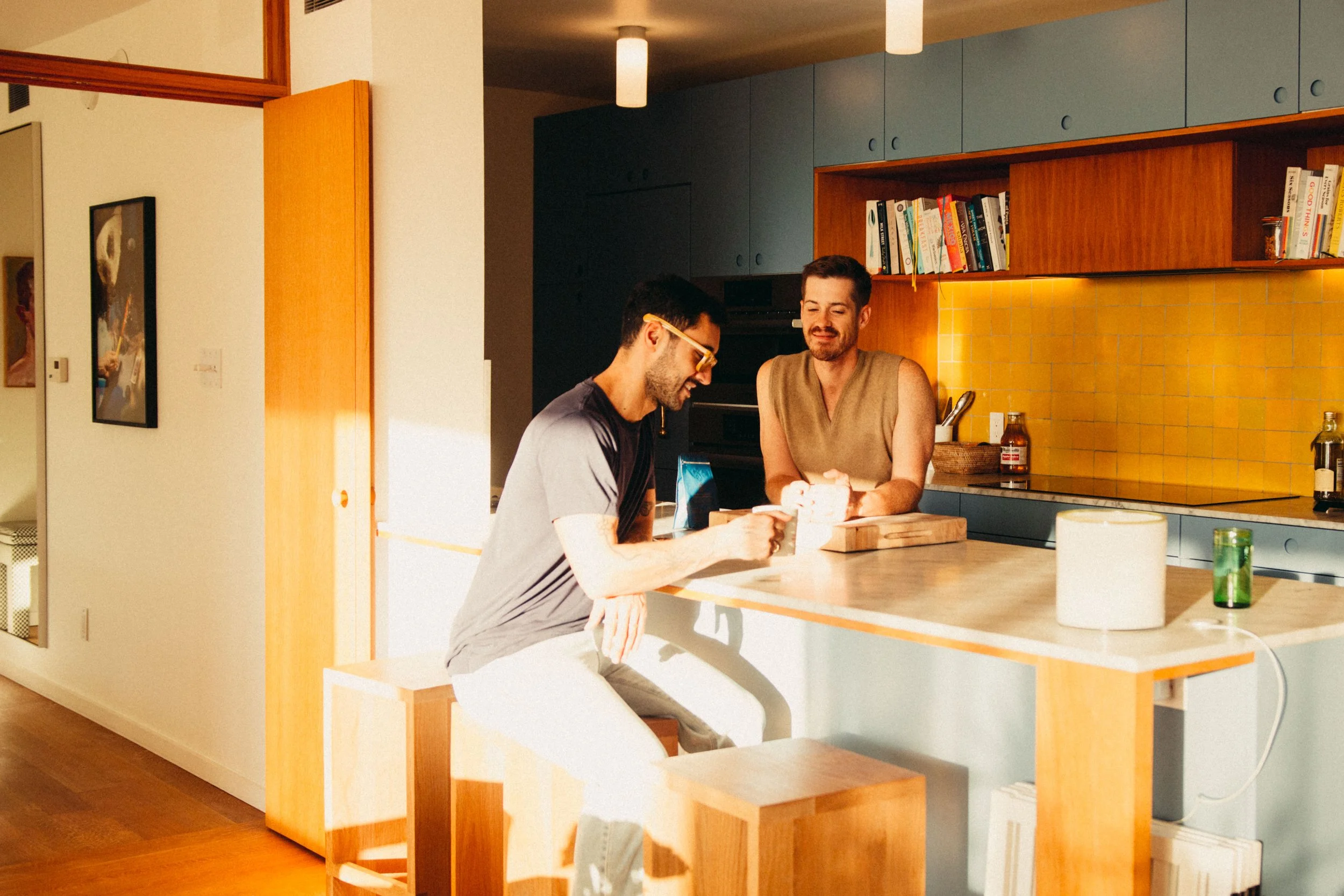
When you’re working on a building, where do you draw the line between architecture and interior design, and if there’s any emphasis in your practice when it comes to including interiors for your project?
It’s really up to the client on how they want to structure their project, and every project is different.
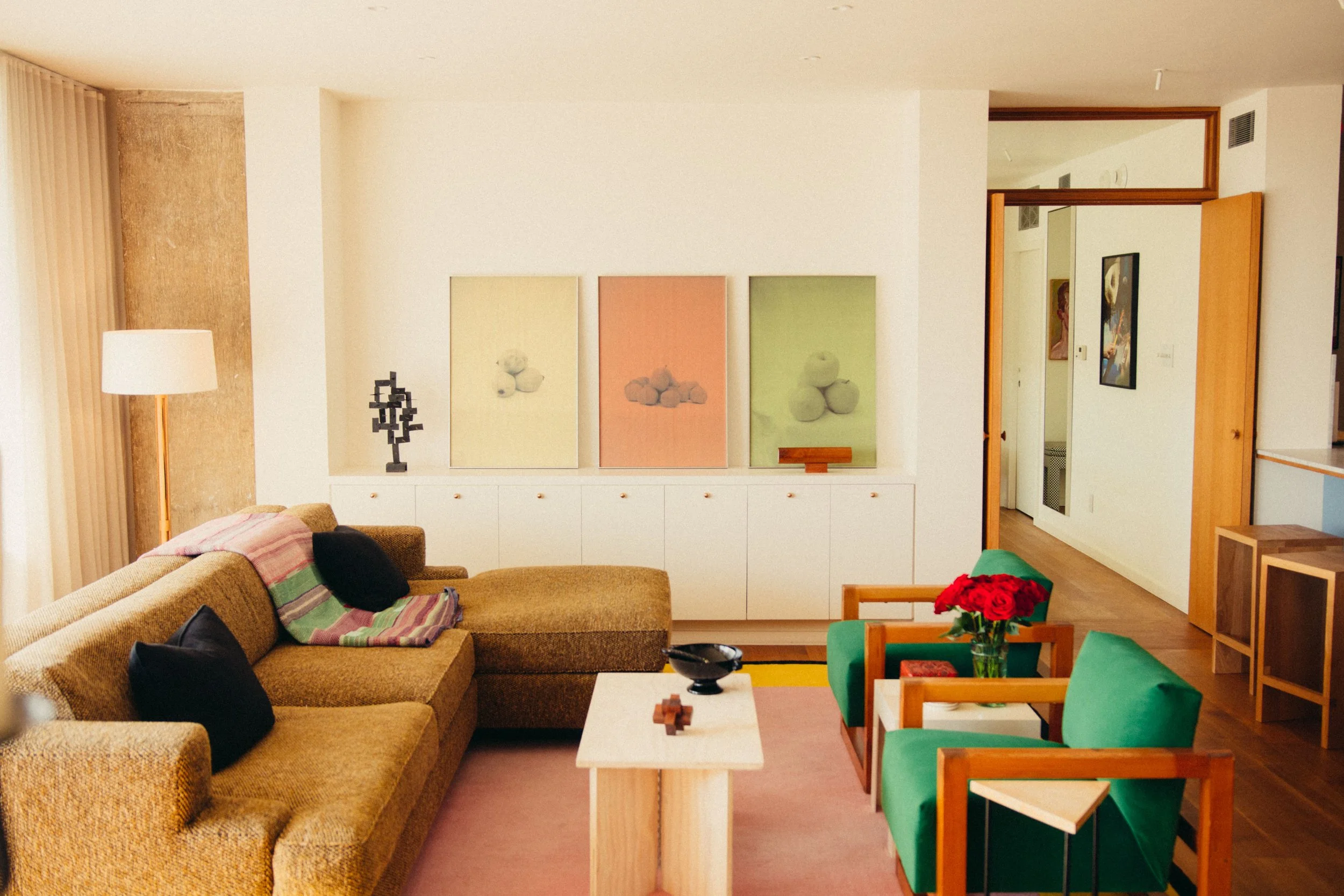
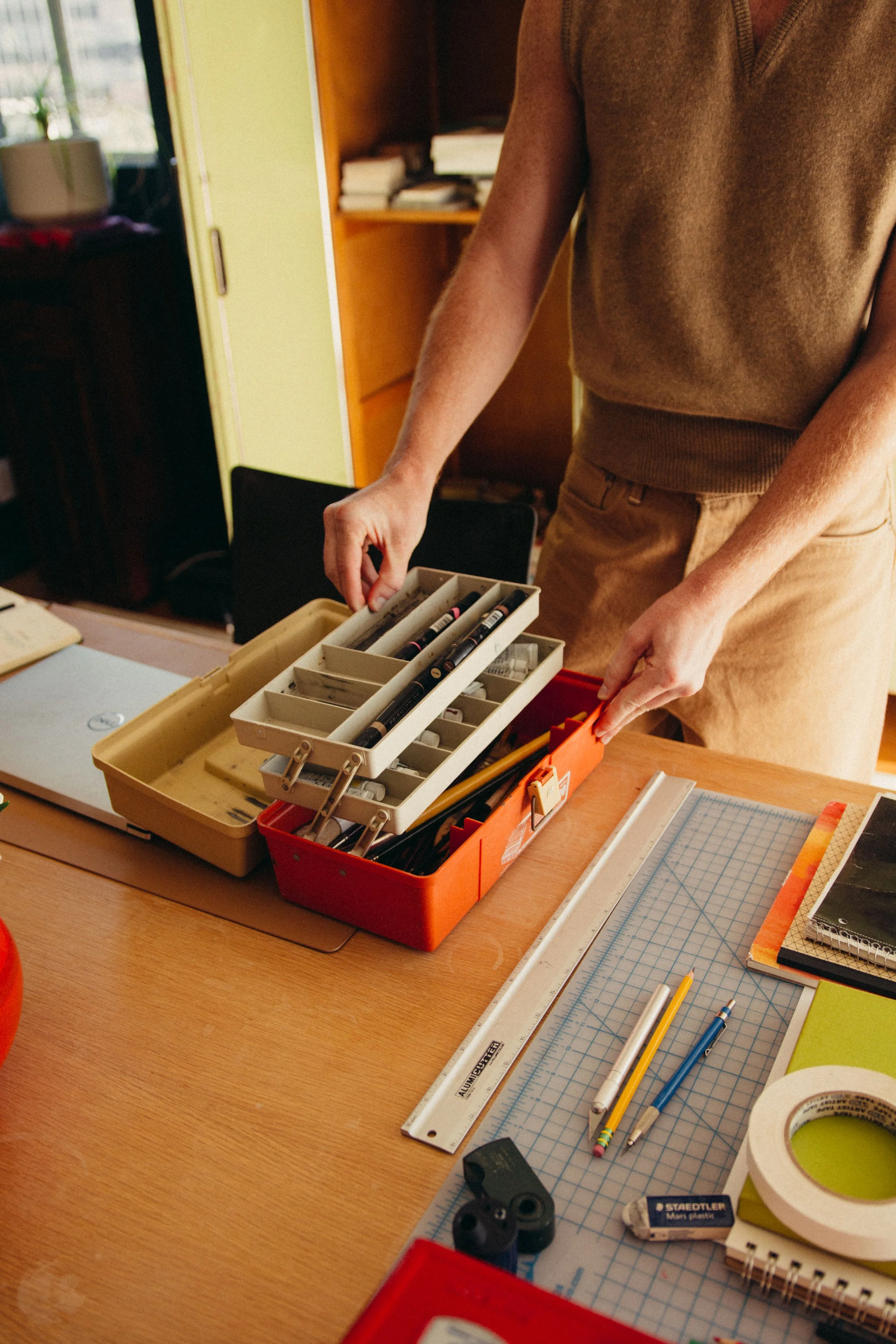
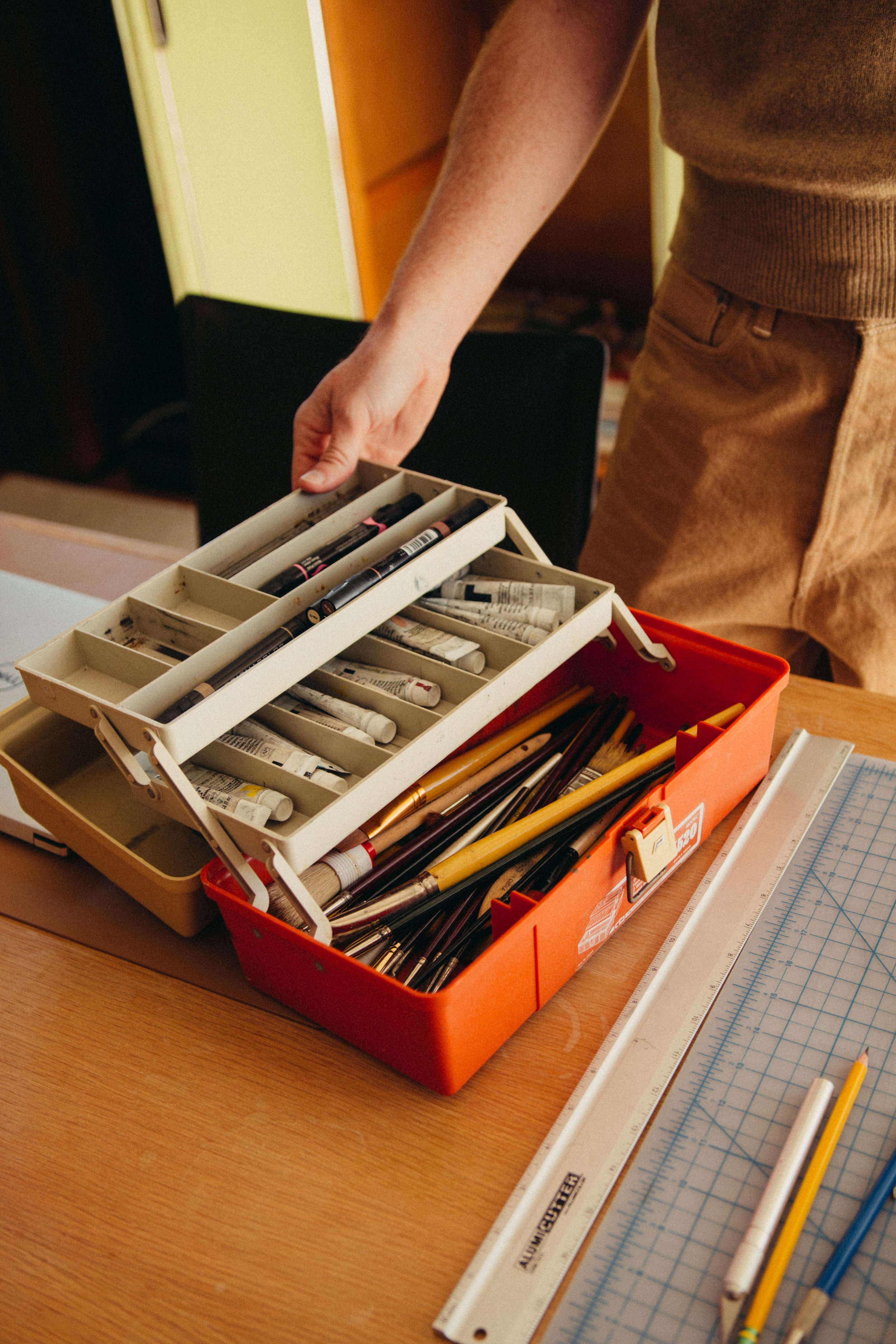
When clients approach me for a project, I usually let them know I want to have a say in the interiors. I have real respect for interior designers who have spent time understanding technical elements that go beyond aesthetics and colors, like when to use a flame-retardant fabric or what properties of linen make it difficult to use on a couch. It is a discipline I don’t take lightly. While I’m not formally trained in it, interior design is something I have a genuine interest in, and it's hard for me to separate the two in my practice.
One thing I am consistent with when balancing interiors and architecture is preferring when the interior isn’t so locked and intertwined with the architecture. It could feel a little bit like a prison if there’s no space for you to transform and make it more yourself as you grow and evolve as a person. There’s this long German word, “Gesamtkunstwerk”, which means a totalized work of art, aesthetic unity designed down to the very last detail. A good example would be works by Frank Lloyd Wright that often embody this word. As amazing as it is, I often wonder if it’s difficult to live in or if you will always feel that way in that building. But ultimately, I want my building to grant people the agency to be flexible with who they are at any given moment.
Like you mentioned before, many factors depend on what the client needs. With you expressing your desire to have a say in the interior side of things, what is it like working on a project when an interior designer is involved as well?
If there’s a project involving both an architect and an interior designer who are knowledgeable on the opposite side, the ideal situation would be highly collaborative, with great ideas forming and flowing effortlessly.
This is our job, and since we both spend long hours on projects, the environment should always be fun, rather than us trying to dominate each other’s design language. Currently, I’m working with an interior designer I brought in for a house under construction in Carrollton. The scale of the project required it, and I wanted another perspective at the table. The experience has been incredibly enriching, and I’ve learned so much from it. It’s all about working with people you trust and enjoying the process; our meetings often felt like I was just grabbing coffee with a friend.
Like we chatted earlier, many factors depend on the client’s needs. The key is finding supportive clients who understand that their project will improve if they allow the creatives they hire to be comfortable in expressing their ideas. For example, I might have an opinion on the sofa choice, and they might suggest adding a fireplace here. Both of us contribute valuable input, which ultimately makes the project better. This may sound idealist, but I truly believe it’s the only way I want to work. I don’t think I’d be involved in a project if the atmosphere isn’t comfortable and collaborative.
I often find artists who own their own practice and have created a robust reputation by not compromising on their non-negotiables very inspiring. That being said, in the beginning stage of Scott Parks Studio, what was it like for you to find your footing in Dallas and keep a firm stance on your core values?
I was very fortunate early on to have some great clients from whom I could learn and understand where I was with my process. Going back to my first few years, I believe my demeanor and requirements reflected my level of confidence. I was truly confident in my vision, what I love, and what I could accomplish creatively. However, I’ll admit that when I started, I wasn’t as familiar with how the construction industry functions as I am now.
Going through my first permitting processes was a crucial learning experience for me to understand the roles of the different members of the design team, and how to effectively coordinate them. Now I know how important everyone’s contributions are, and I know to make it clear to potential clients that there must be a budget for engineering, interior design, and landscape budget. These additional pillars are ultimately what allow me to operate effectively as a sole practitioner. Today, I have really trustworthy contacts in the industry who I know can deliver excellent service to my clients. This is a big change from how I started, and I’m pretty sure I was less mature back then, especially when I interacted with clients without having all these pieces in place.
At the end of the day, building your own voice from the ground up is never linear, and you’re always learning; feeling it out as you go is the best way to go about it.
Four years into your architectural practice, have you noticed any element that has been consistent throughout your design – either intentional or unintentional – making it uniquely Scott Park’s work?
The way I think about time and the playful approach I bring to my design allows me to respond very individually to each project. If there’s any consistency stringing through my work, it is that my design language is always evolving. I listen to my client, and my design reflects the site and their needs. I don’t really like the idea of having one signature thing because I could easily go down the path where it’s just fabricating the same details over and over.
When I was designing this apartment, I became obsessed with the history of the building, which led me down a path that is unique to this space. Then, my interests and the people I encountered in between building this space and the Kessler house changed my perspective on design. It’s something I hope continues to happen so I am never stuck in a mold of my own making.
In addition to who I was at the time of designing, I often think of the laborers and who will ultimately inhabit the building, too. I don’t obsess over super finicky designs that often end up feeling like a museum or a total package that could feel like an artistic shackle for the residents.
A relaxed residential feel is what I aim to come across through my work. My heroes like Charles Dilbeck, O'Neil Ford, and David Reichard Williams all had a lot of charm and soul in what they were doing. I try my best to walk with them in spirit and have my buildings feel like there’s this expansive understanding of how time will emerge from a built form, and I am really intentional about my design language.
With the Kessler house under construction and soon to be your future home, what was it like designing a house now that you and Ali are the clients?
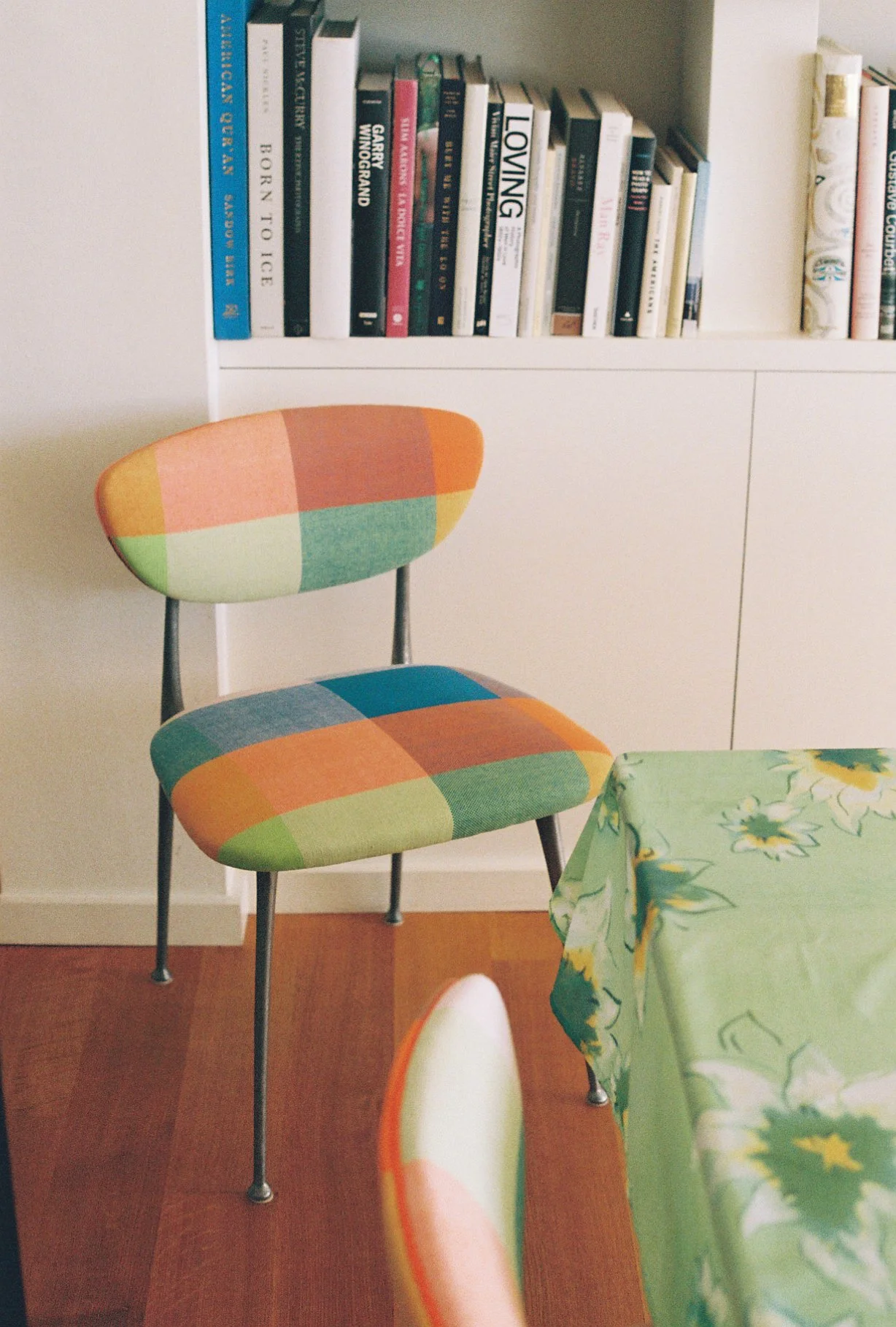
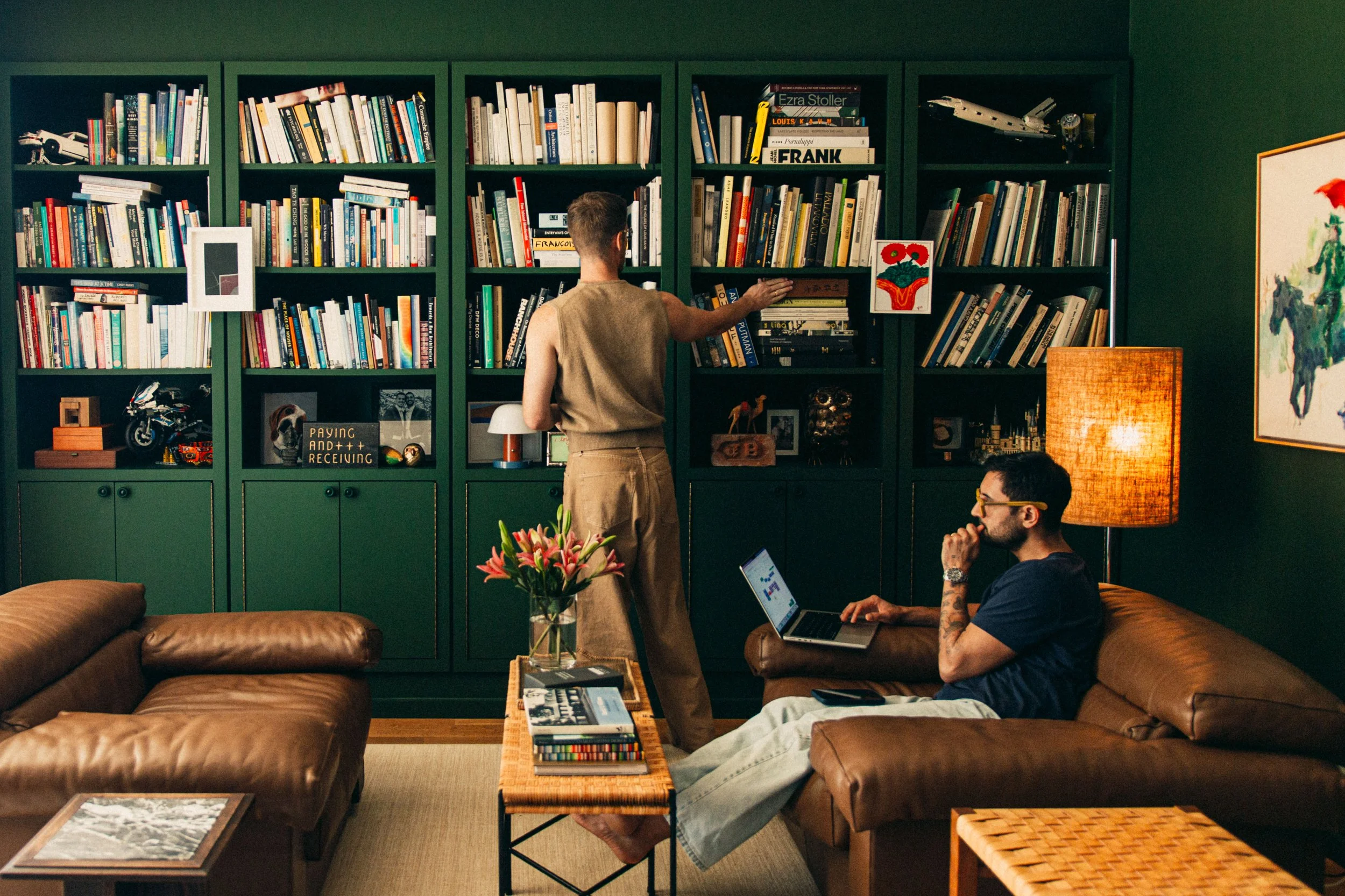
The Kessler house allowed us to think on a much more personal level and take big risks. It also stimulates super interesting (and sometimes challenging!) conversations between Ali and myself where we learn preferences or stories from one another that we never knew before. Right now, we are in the throes of picking out colors and color always reveals your true feelings about certain spaces you’ve experienced in the past. For example, Ali loves a rich dark color, whereas I always lean toward soft, pastel hues. It’s very satisfying when Ali and I can agree on a color, and I think it builds meaning for us in a nice way to know that we’ll sleep or cook or garden together with that color around us. I am honestly always a nervous wreck about color selections, but I know from my experience designing the space we’re sitting in, if I’m feeling a little nervous, it’s probably a good thing.
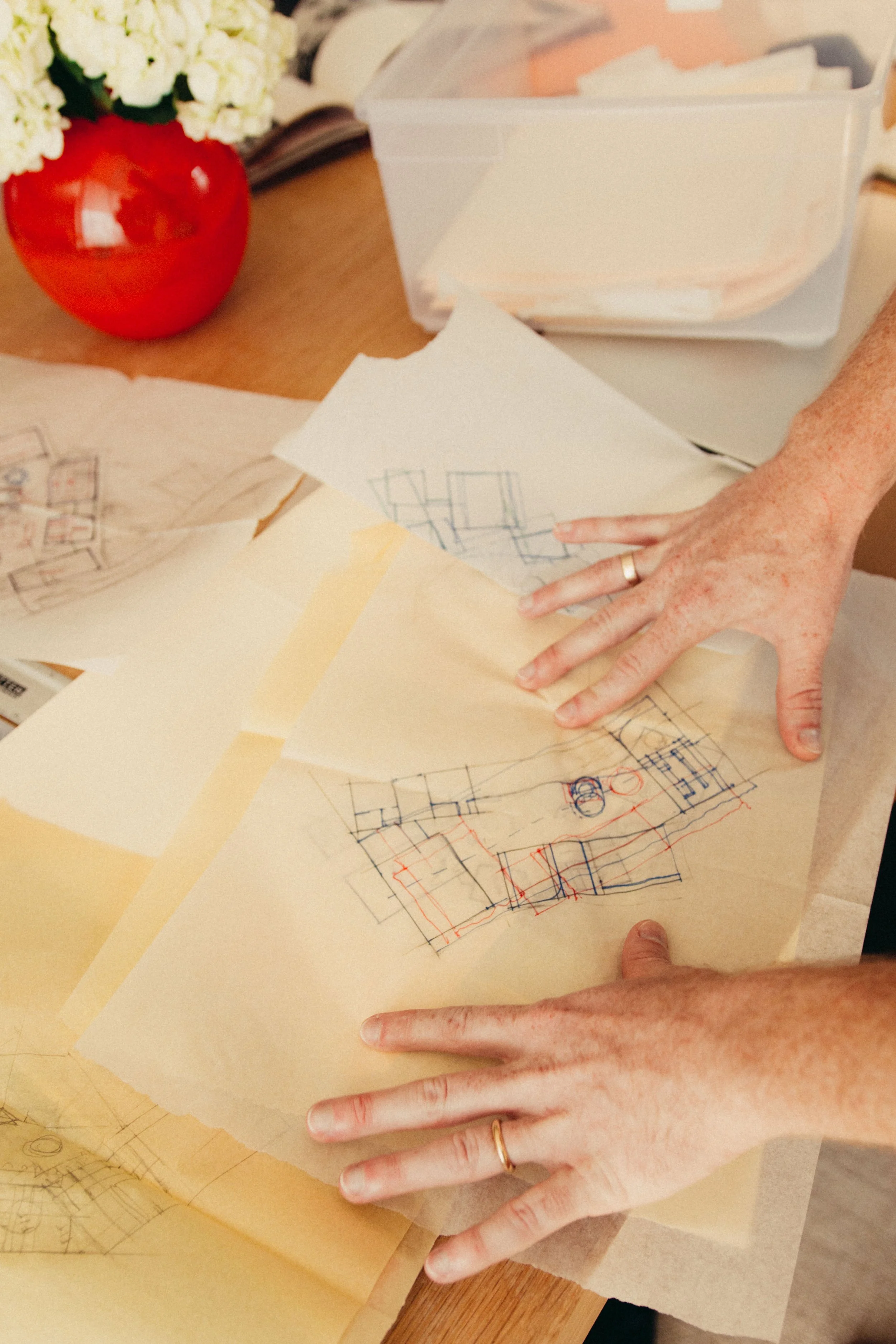
To further peek into who you are, can you tell me where you usually get your inspiration from?
I find the internet to be really flattening, and I try to avoid it if I can.
Sometimes, clients will come to you with a Pinterest board or inspos they found online, which is fine, but for myself, I focus more on digging into my client’s stories. A client I have now that is about to break ground is more of a country house on a gorgeous ravine site. Through the land selection process and working with them, I got to learn more about them and understanding their energy helps me build an intimate world around the project.
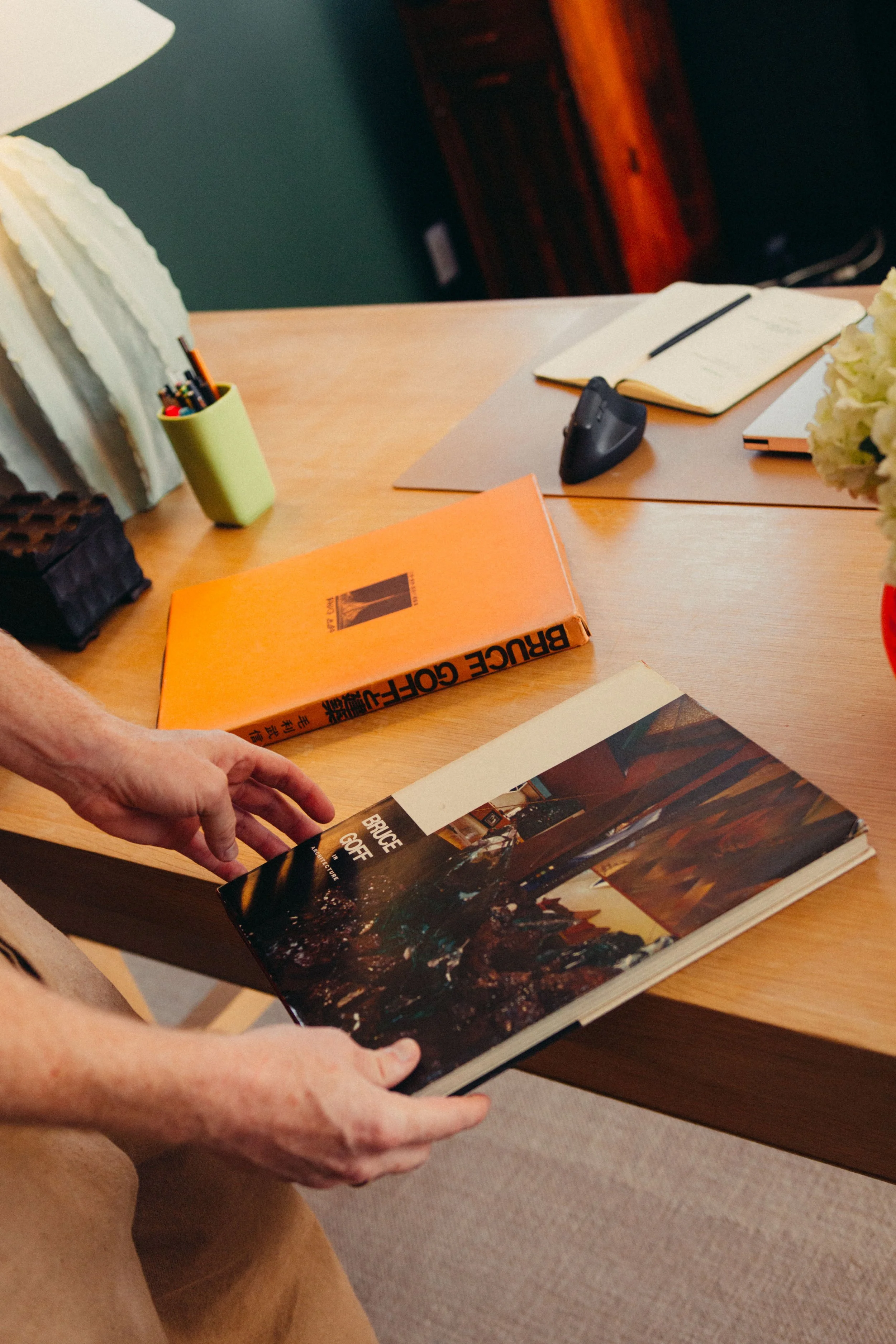
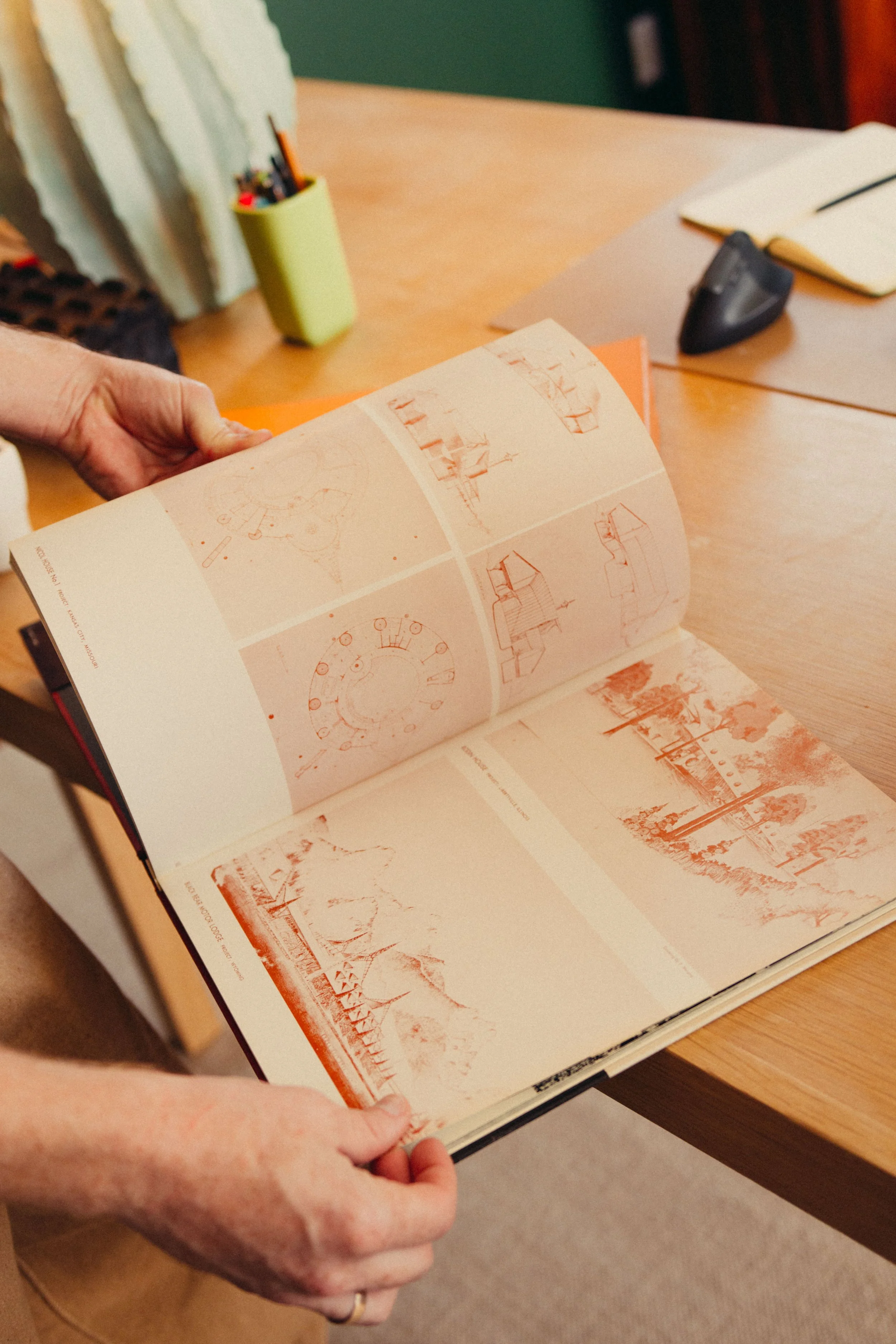
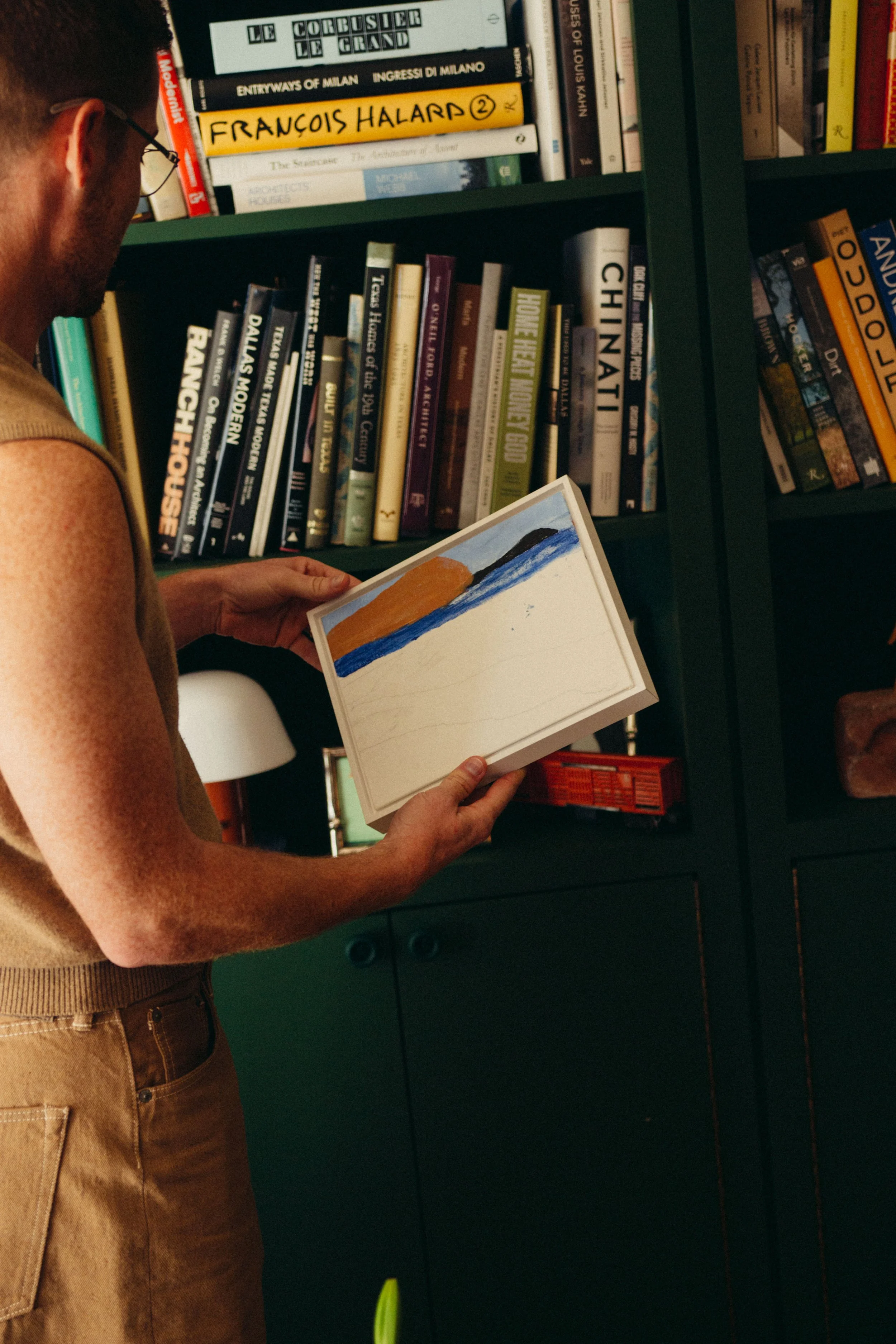
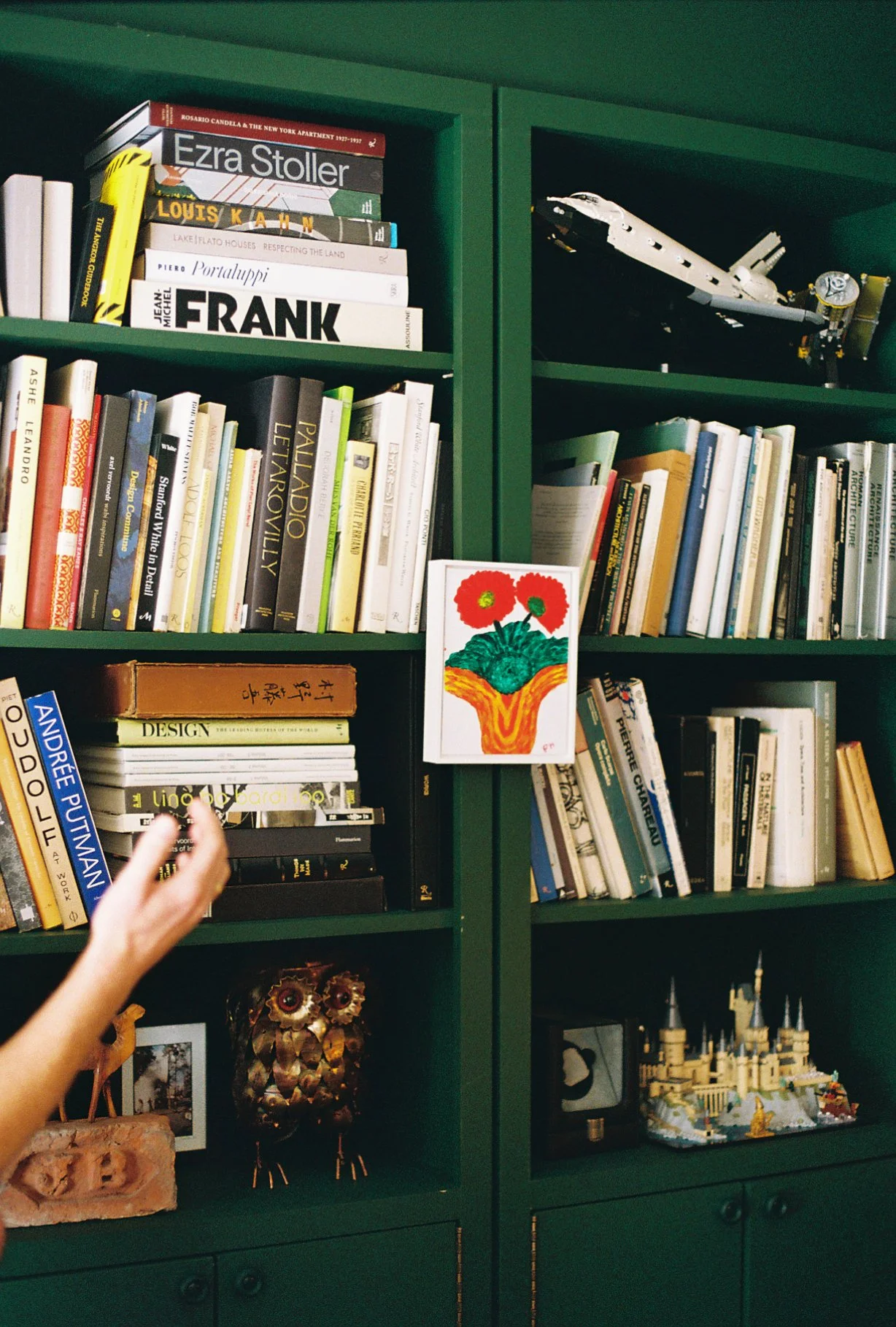
My inspiration sources are different project by project. The people I always find myself returning to again and again are my regional references, like Charles Dilbeck, O'Neil Ford, David Reichard Williams, Frank Welch, Lake Flato, Max Levy, and Dan Shipley. There are so many great Texas architects whose work I could never get tired of looking at. Sometimes, I’ll pull directly from my own history, and pull something from my time in New York, maybe it’s flipping through my Rosario Candela book looking for a classic New York apartment layout, or reference early year European modernism like Piero Portaluppi or Le Corbusier.
Sources of inspiration are often scattered around, and I aim to tailor the design experience around my client’s life story. I love to incorporate elements from artisan crafts. So much of our built-in environment is pre-fabricated, and I want my buildings to radiate the feeling of being made and designed by humans.
I was fortunate to have had a great education in architectural history to understand that design language has not been this linear development process. The same ideas from different eras coexist throughout history in this messy way that I love. When working on the Kessler house, I knew I wanted it to be vertical and well situated in this steep slope with ornaments that were very personal. Ali and I love traveling to Italy, so I wanted there to be some Italian influence. I discovered Villa del Dosso while going through my Piero Portaluppi books, and was immediately drawn to it. At the same time, I was driving around Kessler Park, looking for elements I could fold in to make the home speak to its surroundings. And then, I was also getting excited about Cowboy style, so that gives you a sense of how disparate the design choices were for the Kessler House.

It’s been five years since the pandemic hit, and for some reason, we all came out alright, if not stronger. What did you do to stay centered and sane? Have any of those new habits carried over now that things are back to normal?
If anything, COVID taught me how to slow down and take care of myself. It really put the speed at which we were all living into stark relief, and allowed me to question what I wanted to put back into my life once things were all over.
I’m sure you have your fair share of traveling experience and exposure to different scenes across the states and even countries. From an industry perspective, what do you think sets Dallas apart from all the other well-known big cities or any other city you’ve been to?
The history of Dallas is really important, and it’s something not a lot of people are aware of.
In terms of a city development standpoint, Dallas is still very, very young. What makes Dallas interesting and easy to hate on is that, because its progress is so rapid and radical compared to other metroplexes, it’s almost like a teenager going through puberty. It’s got all the working parts of a metroplex, but it’s a little awkward and hasn’t fully had the chance to marinate and steep in its newfound vastness.
The trajectory of Dallas as a city is very promising; we just have to remember that when we evaluate Dallas from a design perspective, it won’t be like other cities around the world, like Rome or Mumbai, with an incredible historical background that is tangible in every turn. We haven’t experienced enough cultural revolutions here to the point where our urban environment is well layered and fermented.
I’ve spent a lot of time in New York and LA, and it’s incredibly inspiring because they have such a great creative ecosystem that forces excellence through a competitive environment. However, it makes it hard to find space there, and with Dallas, because it’s so new in history, there’s a bit of running room for you to be playful, and everything is still open-ended for one’s journey.
As I look around, I can see a lot of your taste in a tangible form! Now, the hard part is, what would you say is your most prized possession in your home?
I have a deep history with Dallas; generations of my family have resided in this region, and my prized possessions are relics I inherited from them.
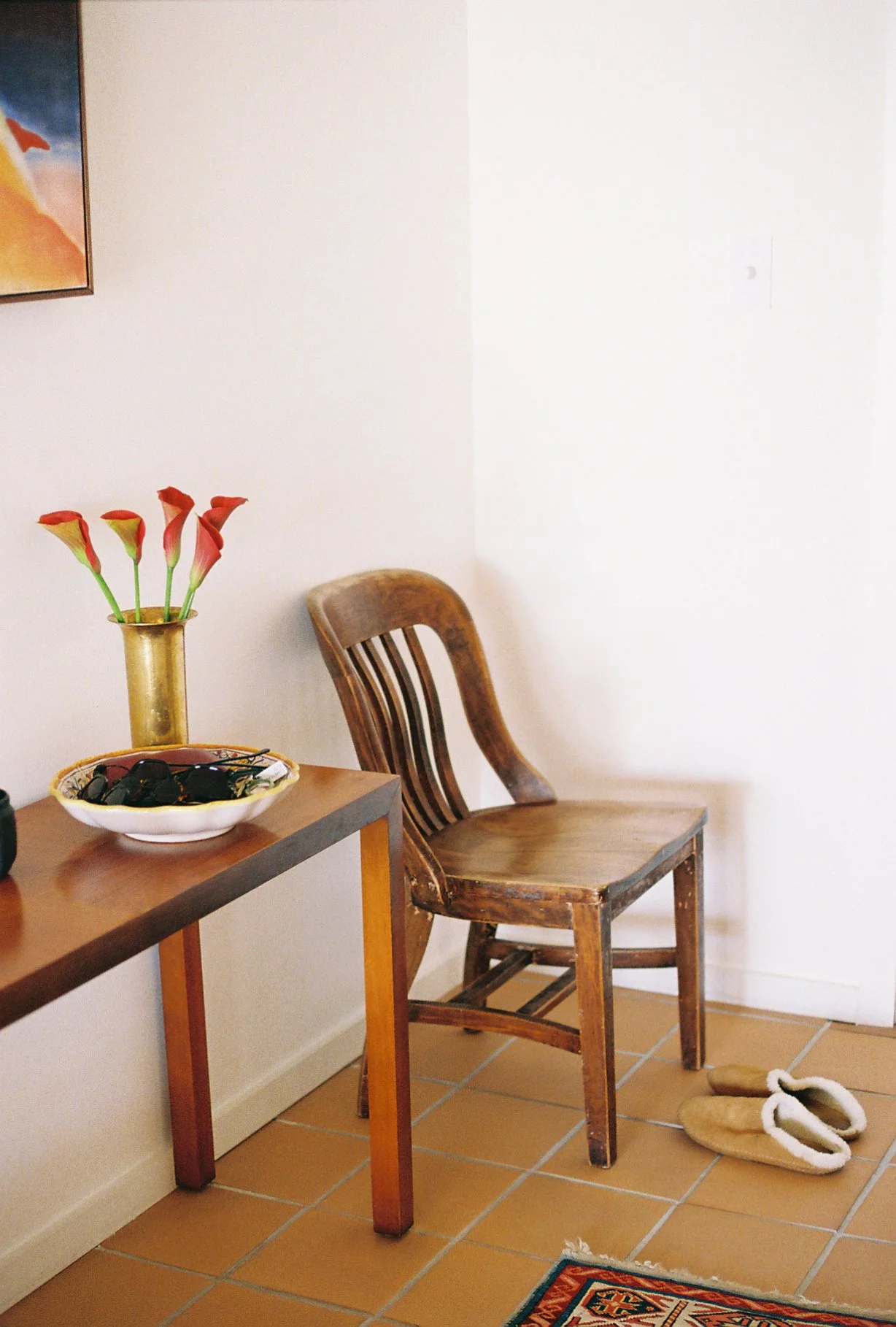
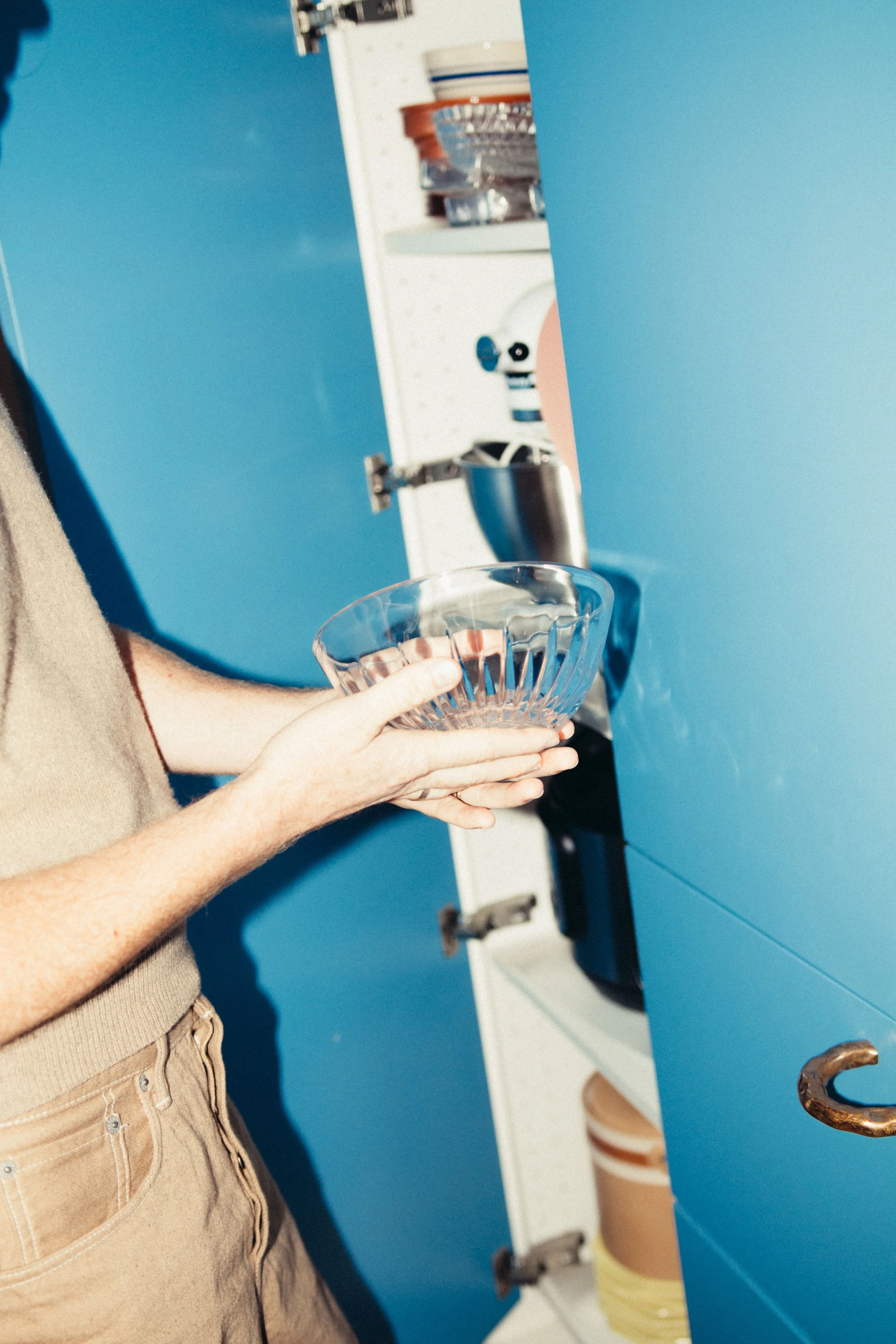
I hadn’t thought much about it until I saw your question, and I do have one special item from each of my grandparents that holds great personal lore. I’m a very nostalgic person, and these objects just fill me with a sense of meaning and purpose. Two paintings from my grandma Patricia whom I attribute a lot of what I do to, my grandfather's work coat, my other dad’s dad’s barber chair, and cast glass from my dad’s mom. I think of them a lot when I’m designing, especially when it comes to how I want to represent myself. My attitude is influenced by their stories and how I want to continue their legacy.

And we are almost to the bottom of my list of Qs for today, for those who are interested in getting into this business or starting something of their own. What suggestions or advice would you like to give them, or wish you had known sooner?
You have to love buildings and the creative process that goes into them. There are so many non-creative parts of the business that are inevitable, like billing your clients and doing your taxes. You have to have that joy to sustain you through all of these real-life problems; it’s not just sexy renderings and going to fabric showrooms. Meetings, disagreements, numbers, and legal hoops are all part of the package, and you need to embrace all of them.
To wrap this interview up, also because I am curious personally, what’s on the horizon for you? Are any “Big things coming” in the works for you? What would you like the world (whichever random soul stumbled upon this article) to know about?
Hopefully, more houses!
I love working on people’s forever homes because it’s so intimate. It would also be exciting to work on something for a hospitality group, like a sweet cafe or hotel. I’ve also been dreaming lately about creating some special lighting fixtures or other home goods, more as an artistic practice, just as a way of being able to physically craft something with my own hands.
James Kung : https://www.instagram.com/j_kung/
Scott Parks: https://www.instagram.com/scottparks.studio
Scott Parks Studio: https://www.scottparksstudio.com
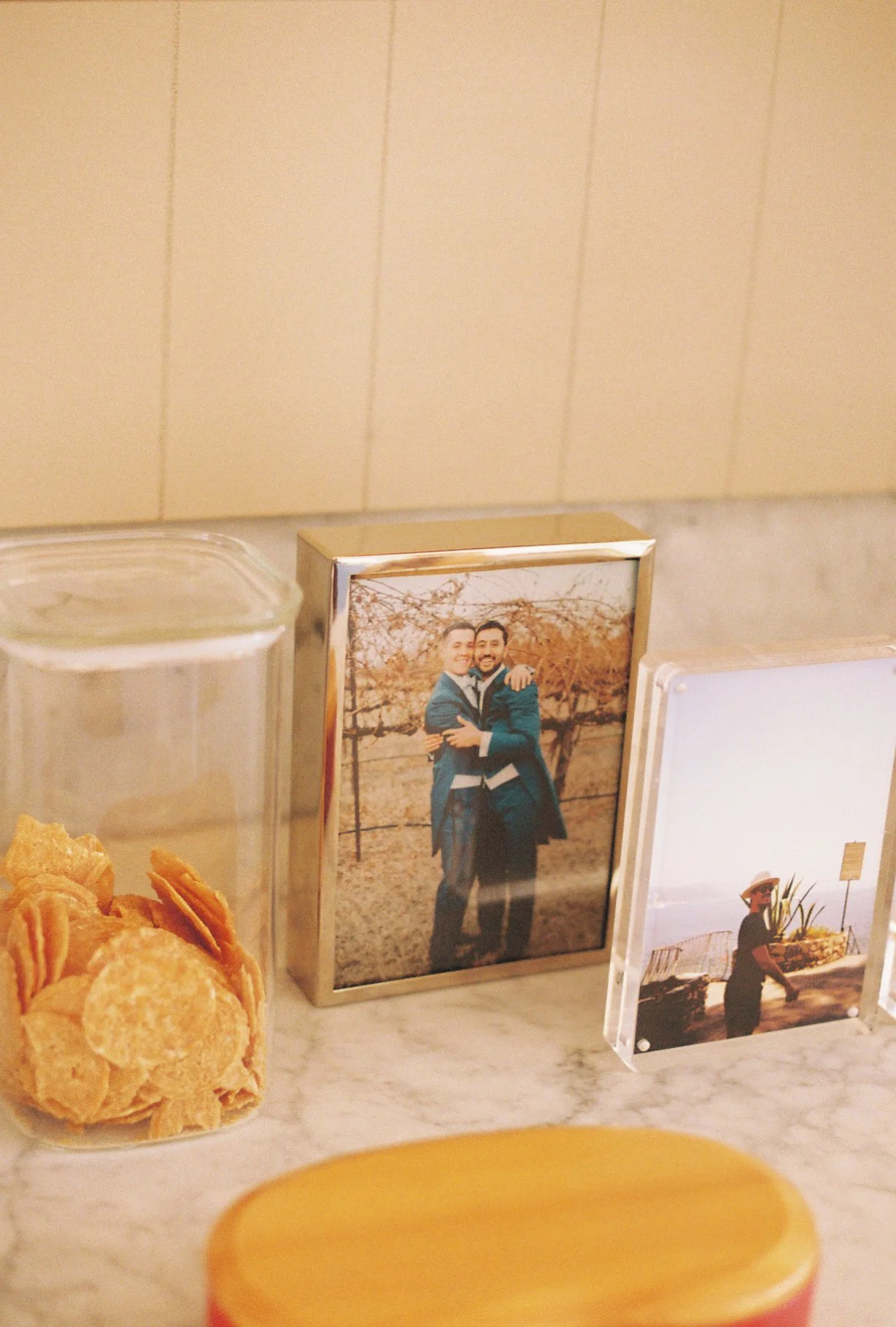
In frame: Scott Parks, Ali Haji
Photographer: James Kung
Interviewed by: James Kung
Location: Dallas, Texas